Quectel Launched RG660QA & RG660QB 5G-A AI + Wi-Fi 8 Module

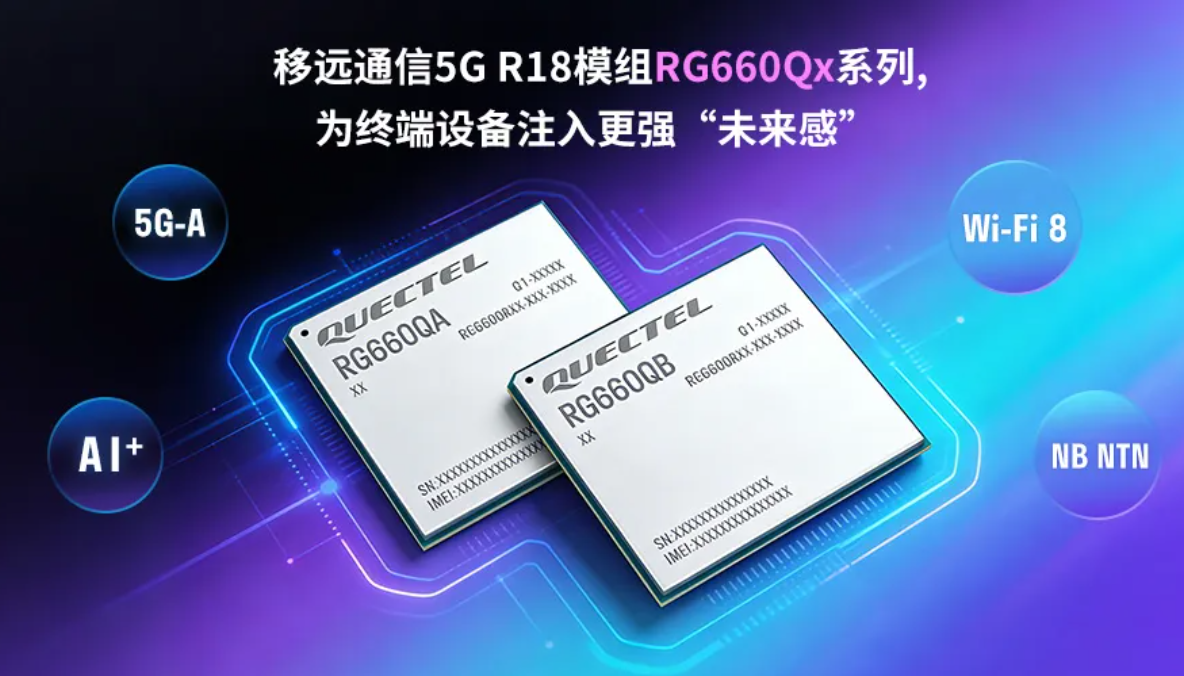
On January 9, during the 2026 International Consumer Electronics Show (CES 2026), Quectel, a global leading provider of IoT total solutions, announced the launch of its groundbreaking 5G-Advanced module series RG660Qx, compliant with the 3GPP R18 standard. This series is set to redefine the performance benchmarks and experiential boundaries of next-generation smart connectivity through the power of cutting-edge technology integration.

Among the series, the Quectel RG660QA is based on the Qualcomm X85 platform, maximizing the peak performance of 5G-A; while the Quectel RG660QB is equipped with the Qualcomm X82 platform, precisely meeting the demands of mainstream high-end connected smart applications. This series of modules uniquely combines key capabilities including ultra-high-speed 5G-A communication, collaboration with Wi-Fi 8, and AI enhancement. They can also be upgraded to support NB NTN satellite communication, thus comprehensively empowering next-generation cutting-edge smart applications such as home and commercial wireless broadband, high-definition mobile video, and high-performance mobile hotspots, injecting a stronger sense of “futurism” into terminal devices. The first batch of engineering samples from the RG660Qx series has officially been released to global customers, with the Quectel RG660QB series expected to go commercial in Q1 2026.

Quectel COO Zhang Dong stated, “The Quectel RG660Qx series not only elevates 5G communication capabilities to a new level but also represents a future-oriented integrated smart product. Leveraging the Qualcomm X8x platform, this series offers extremely high speed, outstanding performance, and exceptional reliability, precisely matching the multiple connectivity, computing, and intelligence needs of ultra-high-speed fixed wireless access (FWA), enterprise-grade gateways, and high-end consumer electronics. We hope that the RG660Qx series significantly lowers the threshold for innovation for our customers and accelerates the emergence of next-generation smart terminals.”

High-Speed and Stable Dual Online: Maximizing 5G-A Communication Strength

In terms of core communication performance, the RG660Qx supports a maximum of 8-channel or 6-channel receiving in the downlink, and supports FDD (2 Layers) + TDD (2 Layers) UL Switch. With advanced Multi-Input Multi-Output (MIMO) technology, the RG660Qx series excels in increasing data transmission rates, optimizing signal quality, and ensuring connection stability, capable of providing high-speed, stable wireless experiences for next-generation 5G applications, including gigabit-level fixed wireless access, essential enterprise services, and high-capacity mobile broadband.

Meanwhile, the RG660Qx series can be upgraded to support Dual SIM Dual Standby (DSDS) and Dual SIM Dual Active (DSDA) functions, flexibly adapting to multi-carrier network switching needs and confidently addressing complex global network environments to ensure continuous online access for businesses.

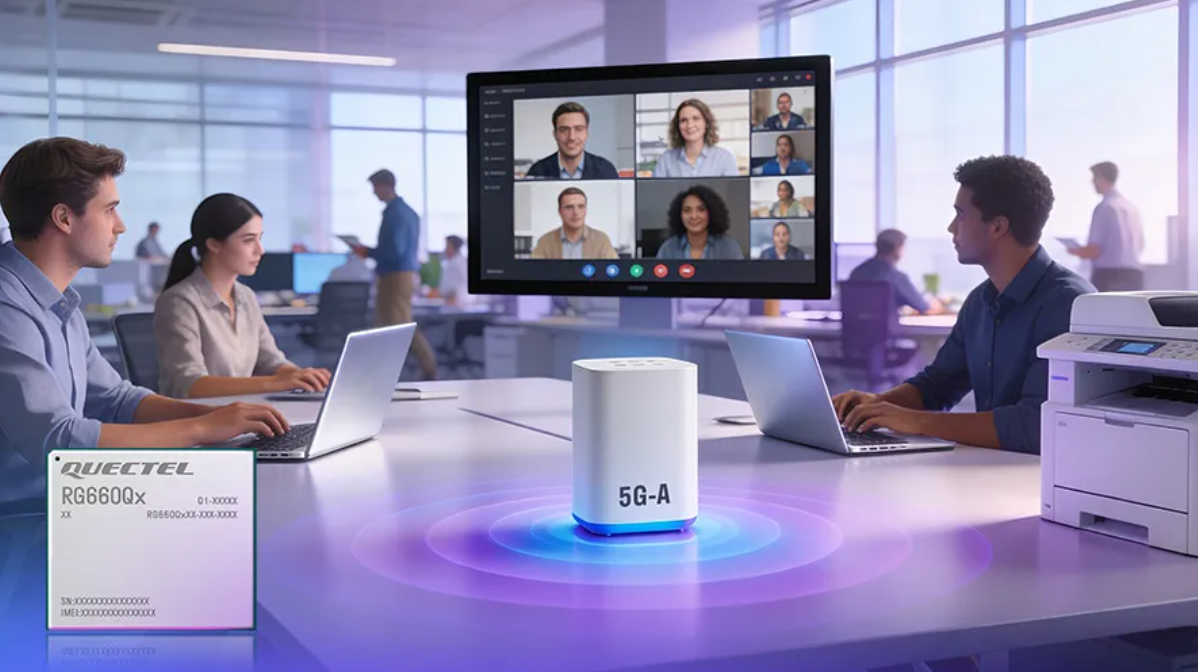
For key scenarios like indoor 5G CPE, this series of modules can simultaneously support Wi-Fi 7 and Wi-Fi 8 technologies across the 2.4 GHz, 5 GHz, and 6 GHz bands, and integrate Bluetooth functionality, building a comprehensive intelligent interconnect ecosystem. Its Ethernet interface supports rates of up to 10 Gbps, enabling large-capacity data transmission for ultra-high-definition video streaming and enterprise-grade networks. Supporting power level 1, it can effectively extend signal coverage, further enhancing coverage capability in FWA deployment scenarios.

Integration of Multiple Advanced Capabilities Empowering All-Scenario Smart Connectivity

AI enhancement capability is one of the core highlights of the RG660Qx series. Through modem capability upgrades and AI-enhanced Wi-Fi, along with a dedicated AI co-processor featuring 24 TOPS of computing power, this series of modules can easily realize intelligent interaction functions such as voice control. Additionally, it supports external AI computing power modules to further enhance edge-side data processing and intelligent decision-making capabilities, providing core computing support for scenario-based applications of smart terminals.

Besides AI capabilities, the RG660Qx series simultaneously reinforces all-scenario connectivity capabilities: it supports a variety of interfaces including USXGMII, USB, and PCIe, allowing deep cooperation with Wi-Fi chipsets to fully leverage the advantages of Wi-Fi 8 in network reliability and intelligence, significantly enhancing the application experience of devices such as 5G CPE and high-performance mobile hotspots.

The breakthrough in all-area coverage capabilities further underscores the technological foresight of the RG660Qx: the Quectel 5G module can be upgraded to support the NB NTN satellite communication function (requires specific hardware design), forming a complementary relationship with terrestrial network coverage, achieving stable connectivity in remote areas, oceans, deserts, and other locations without ground network availability.

Hassle-Free Hardware Upgrades Accelerating Industry Implementation

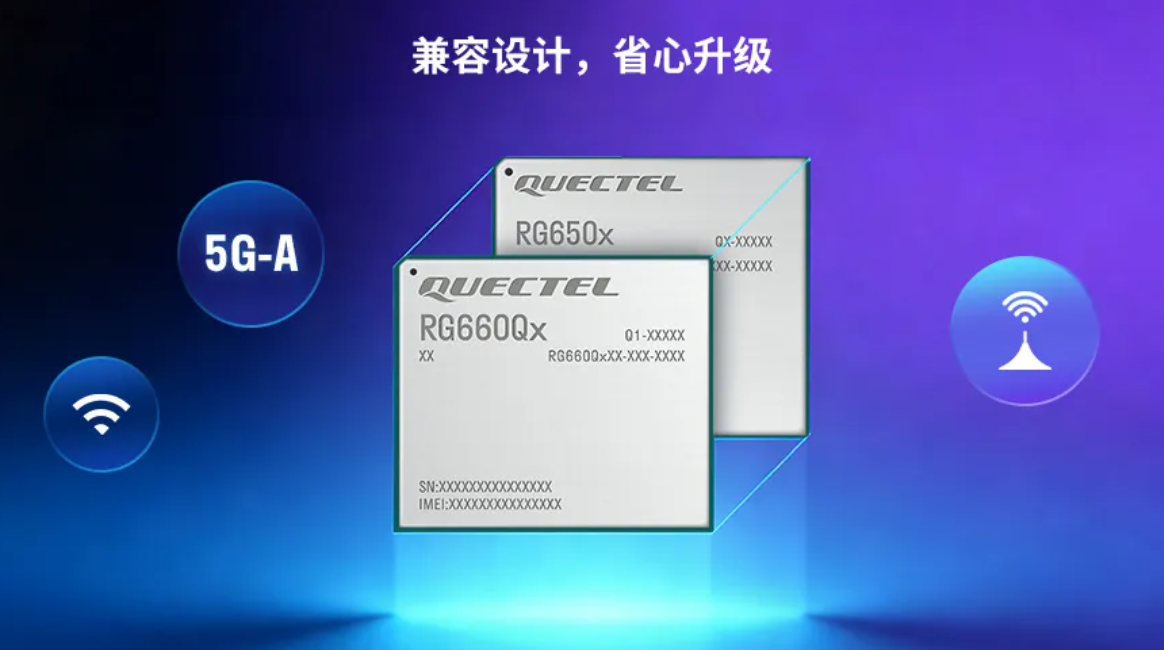
To accelerate industry adoption, the RG660Qx series is Pin-to-Pin compatible with Quectel’s previous 5G module series RG650x, allowing customers to use the same recommended Wi-Fi chips and physical layer chip solutions from the RG650x series without the need to reconstruct hardware design for swift upgrades, significantly simplifying R&D processes and optimizing supply chain efficiency. Meanwhile, Quectel can also provide high-performance antenna products and comprehensive technical support to help customers speed up product development and shorten the time to market.

From breakthroughs in 5G-A link performance to forward-looking interconnect strategies with Wi-Fi 8, along with synergies between AI enhancements and industry applications, the Quectel RG660Qx series not only demonstrates global leadership in communications technology but also establishes a foundation for next-generation smart terminal innovation through all-scenario coverage and flexible hardware compatibility. In the future, Quectel will continue to drive technological innovation, deepen industry collaboration, and accelerate the transition of 5G-A technology from “standard specifications” to “large-scale applications.”

Quectel Launchs the Automotive-grade 5G R18 Module AR588MA

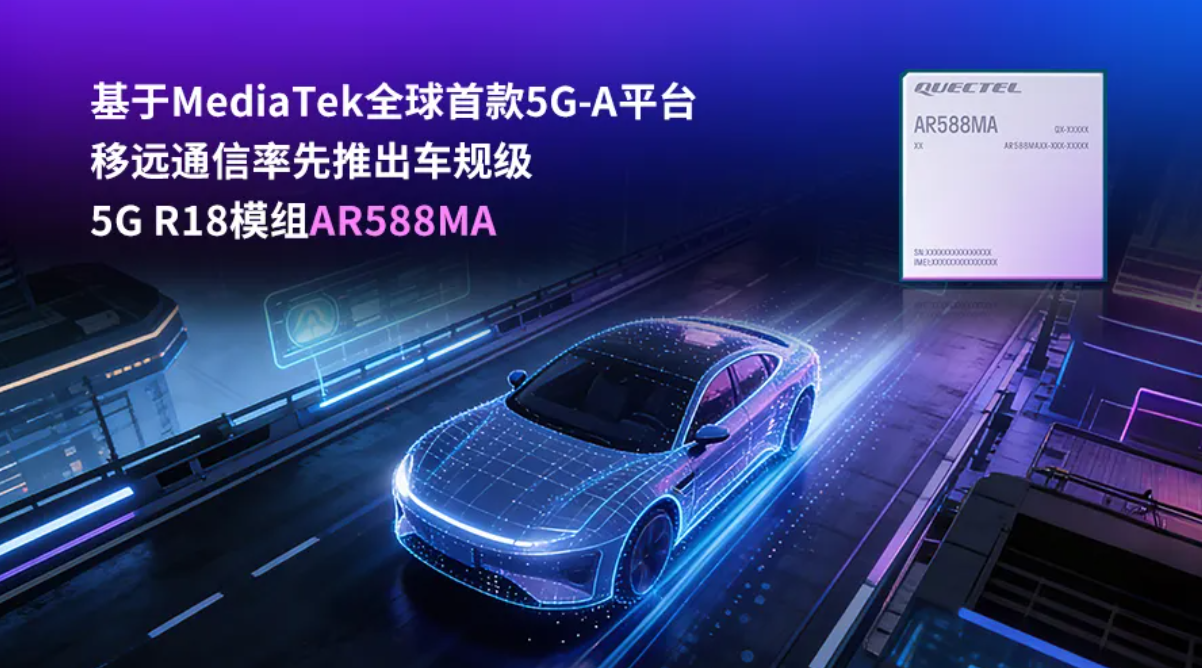
On January 4, just before the 2026 International Consumer Electronics Show (CES 2026), Quectel Communications, a global leader in IoT and V2X (Vehicle-to-Everything) solutions, announced the launch of its automotive-grade 5G-A module AR588MA, compliant with the 3GPP R18 standard.

This series of 5G modules is built on MediaTek’s world’s first 5G-A platform, MT2739, achieving four core breakthroughs: comprehensive signal coverage, high-speed data transmission, AI-based intelligent network adaptation, and automotive-grade safety assurance. These features strongly support the innovative development of the next-generation intelligent connected vehicles. Currently, the module is offering engineering samples externally, and several leading automotive companies have already initiated the implementation of the AR588MA series.

“Ground + Satellite” Full Coverage, More Reliable High-Speed Transmission

As an automotive-grade module based on MediaTek’s first 5G-A platform, the Quectel AR588MA series modules feature leading modem performance in the industry. It includes a built-in quad-core Cortex-A55 CPU with a clock speed of up to 2.3GHz, enhanced upstream transmission capabilities, and ultra-low latency, supporting a bandwidth of 400 MHz and NR 5CC, with downstream speeds reaching up to 9.0 Gbps and upstream speeds exceeding 2.5 Gbps. It also supports DSDA (Dual SIM Dual Active) functionality, enabling more efficient and stable data transmission and real-time processing while maintaining stable network connections, thereby laying a solid communication foundation for the safety and reliability of advanced driver-assistance systems.

At the same time, Quectel AR588MA has achieved significant breakthroughs in comprehensive communication capabilities. It not only supports 5G-A technology but also integrates satellite communication functions. Combined with enhanced low-frequency reception performance and adaptive network signal compensation algorithms, it significantly improves network performance while ensuring full-scenario communication coverage. Even in weak signal areas like basements and remote mountain regions, vehicles can maintain stable connectivity, effectively addressing the pain points of ground network coverage blind spots and ensuring communication continuity in complex environments.

In terms of wireless performance optimization, the AR588MA is compatible with a six-port antenna design, deeply adapting to Quectel’s high-performance intelligent antenna solutions, thus achieving deep integration of module and antenna performance, providing users with wide coverage and strong signal wireless network performance.

AI Intelligent Adaptation, Smoother Network Experience

During this critical period of advancement in intelligent connected vehicles, users have raised higher demands for the smoothness of in-vehicle network experiences.

One of AR588MA’s core competitive advantages lies in its deep integration of AI technology with in-vehicle communication, achieving an upgrade from “passive connectivity” to “active adaptation.” The module features an intelligent driving scene recognition system and an AI network optimization engine, with processing capacities of 25K DMIPS for quad-core and 13K DMIPS for dual-core. It can real-time integrate multidimensional data, including vehicle positioning, speed, and road conditions, automatically matching optimal network modes, significantly enhancing network speed and connection stability, and providing users with a smoother in-vehicle network experience.

Automotive-Grade Core Quality, Dual Assurance of Safety and Reliability

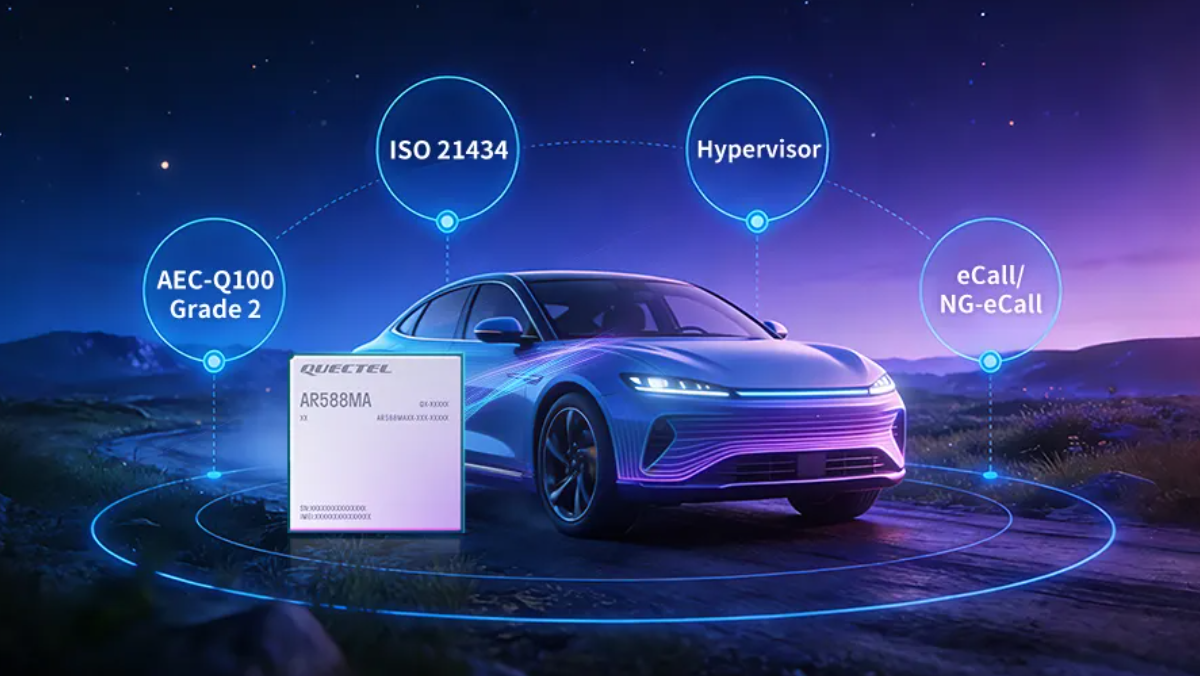
The reliability of automotive products is directly related to driving safety. The Quectel AR588MA strictly adheres to automotive-grade design standards and safety systems, fulfilling AEC-Q100 Grade 2 automotive specifications to ensure product reliability and durability in extreme environments. Additionally, it complies with ISO 21434 automotive cybersecurity management standards and supports Secure Boot and RoT (Root of Trust), combined with Hypervisor hardware isolation technology to provide a more stable connectivity experience and more reliable safety assurances for in-vehicle communication.

On the functional side, the AR588MA fully supports eCall/NG-eCall emergency calling systems, which can automatically trigger a call and transmit critical data such as vehicle location and accident type to emergency centers in the event of a collision or other emergencies, buying precious time for rescue operations. To further enhance vehicle positioning reliability, this module also integrates GNSS positioning capabilities, supporting dual-frequency positioning with L1 and L5, outputting at a frequency of up to 30Hz, providing precise location support for path planning and lane-level navigation for assisted driving.

Compatible Design for Easy Upgrades, Accelerating 5G-A Implementation in Vehicles

To reduce customer development costs and shorten product launch cycles, the AR588MA employs a highly compatible design approach at both hardware and software levels.

On the hardware front, it is pin-to-pin compatible with Quectel automotive 5G modules AG581A, AG56xN, and AG519M series, allowing customers to quickly upgrade from traditional 5G to 5G-A. On the software side, it utilizes the QuecOpen architecture, leveraging excellent cross-platform and cross-system compatibility to assist automotive enterprises in seamless system migration, significantly shortening product development and validation cycles.

SIMCOM AI 5G 6G Products in MWC 2025

AI
At this year’s MWC, Artificial Intelligence (AI) was undoubtedly the brightest star. With the explosion of generative AI technology, more and more companies are starting to apply it across various fields. From intelligent customer service to autonomous driving, from content creation to office collaboration, AI is gradually permeating every aspect of our lives. Especially in the fields of consumer electronics and payments, the integration of AI technology has made devices such as smartphones, PCs, smart glasses, smart payment systems, and smart toys more intelligent and personalized.

SIMCOM participated in this year’s MWC by showcasing a series of products, such as the high-performance smart module SIM9650L and the 4G smart module SIM8965. These modules integrate cutting-edge AI algorithms and hardware design, providing powerful computing and data processing capabilities, thus driving the intelligent upgrade of smart terminal devices.

SIMCOM also made its debut by launching the SIMCom AI Stack, a full-stack AI solution based on its AIoT module matrix, aimed at helping customers address the pain points in the practical application of AI on the edge. This solution helps to build a complete and efficient value chain for edge-side AI.

In the future, SIMCOM will soon introduce more high-performance smart modules, working with global partners to accelerate the implementation of edge-side AI applications.

5G

As the upgraded version of 5G technology, 5G-Advanced (5G-A) also attracted significant attention at this year’s MWC. 5G-A not only improves network performance but more importantly, it begins to deeply integrate with various industries, driving digital transformation across sectors.

At the exhibition, several telecom operators showcased practical use cases of 5G-A technology in fields such as industrial IoT, low-altitude economy, and remote healthcare. Major telecommunications equipment manufacturers also demonstrated end-to-end solutions and industry application cases based on 5G-A technology, gradually bringing 5G-A technology to life.

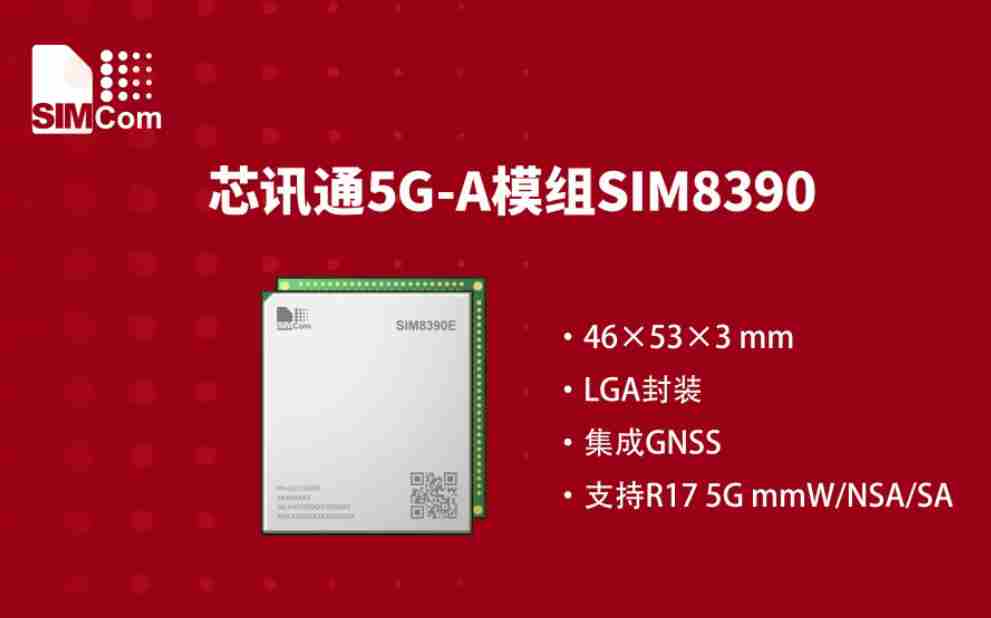
SIMCOM has also strategically entered the 5G-A field early on. The SIMCOM SIM8390, an upgraded version of 5G, supports Sub-6GHz and mmWave frequency bands, offering higher speeds, lower latency, greater connection scale, and lower energy consumption. It has become favored by industry customers in high-speed applications and premium markets in Europe.

SIMCOM’s 5G-A strategy focuses not only on technological upgrades but also on industry adaptability. By collaborating with operators and equipment manufacturers, SIMCOM offers end-to-end solutions that help customers quickly integrate the full chain from network deployment to application, acting as an “accelerator” for enterprise digital transformation.

6G

At this year’s MWC, many companies showcased their latest research results and future plans regarding 6G technology.

Currently, 6G technology is expected to be fully commercialized around 2030, with transmission rates potentially reaching 1Tbps, far exceeding current 5G capabilities. Additionally, 6G will support AI-native networks, holographic communication, low Earth orbit satellite networks, and other advanced technologies, driving the arrival of the Internet of Everything era. In the consumer electronics sector, the introduction of 6G technology will empower smart terminal devices with higher performance and richer functionalities.

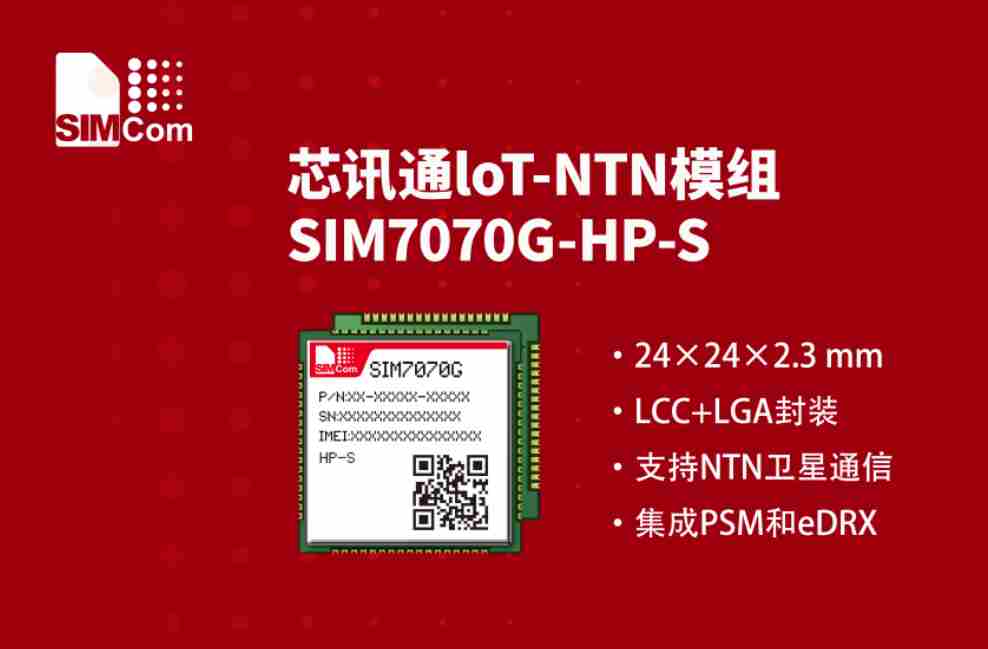
Although the commercialization of 6G is still some years away, SIMCOM has already laid the groundwork for its technological advancement. In 2023, the company launched the SIM7070G-HP-S, a satellite communication module supporting 3GPP NTN (Non-Terrestrial Networks). This module supports 3GPP Rel-17 (IoT-NTN) satellite communications in the L-band (B255) and S-band (B256/B23) frequency ranges. It also supports Cat-M/Cat-NB2 wireless communication modes and can be applied in maritime, transportation, agriculture, and energy sectors, contributing to the promotion and implementation of satellite IoT applications.

This year’s MWC 2025 highlighted three cutting-edge technologies: AI, 5G-A, and 6G, showcasing the latest trends and innovative achievements in the global telecommunications industry. As a pioneer in the global IoT communication module industry, SIMCOM actively participated and demonstrated its strong capabilities and forward-thinking vision in the field of communication technology. As these technologies continue to develop and be applied, we will usher in a more intelligent, digital, and interconnected future.

Quectel 5G RedCap Module RG255C-GL Passes Certification from Two Major North American Operators

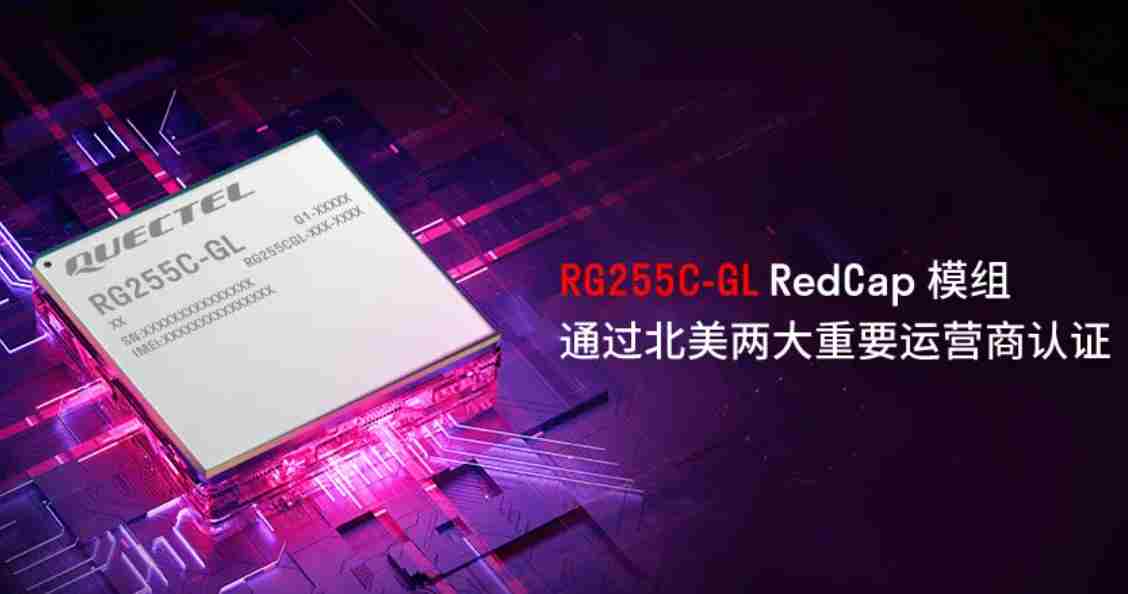
Recently, Quectel’s 5G RedCap module RG255C-GL achieved another milestone by successfully passing the certification from two major North American operators. This certification marks that the module now fully meets the high standards of North American carriers, offering more efficient and reliable RedCap connectivity to local users, further strengthening Quectel’s competitive edge in the global IoT market.

Technological Innovation: Lightweight 5G Empowering Vertical Industries

The Quectel RG255C-GL module is based on the Qualcomm® Snapdragon® X35 platform and is equipped with 5G RedCap technology, specifically designed for high-speed IoT scenarios. As a lightweight 5G technology defined by the 3GPP R17 standard, RedCap reduces the number of terminal antennas, lowers modulation complexity, and decreases bandwidth requirements. While retaining key 5G benefits like low latency, high reliability, and network slicing, it significantly optimizes device cost, size, and power consumption, filling the market gap between traditional eMBB and LPWA.

This 5G Redcap module supports 5G Sub-6 Standalone (SA) mode and LTE Cat 4 networks, with peak download speeds of 223 Mbps and peak upload speeds of 123 Mbps, making it suitable for entry-level FWA applications, industrial sensors, and high-definition video transmission in mid- to high-speed IoT scenarios. It also supports key 5G features such as 5G LAN, uRLLC, and network slicing. In terms of positioning, the RG255C-GL integrates Qualcomm® IZat™ location technology, supporting global mainstream satellite positioning systems such as GPS, GLONASS, BDS, Galileo, and NavIC, providing precise location services for smart terminals.

High Integration Design: “Compact Size” Empowering “Large Scenarios”

The Quectel RG255C-GL adopts an LGA package with dimensions of 32.0 mm × 29.0 mm × 2.4 mm, making it compact in design. The Quectel 5G module’s size is consistent with and compatible with Quectel’s classic LTE Cat 4 module EG2x series, significantly reducing the hardware adjustment requirements for customers migrating from 4G to 5G, shortening development cycles, and lowering mass production costs. Additionally, the Quectel 5G module integrates a variety of interfaces, including USB 2.0, PCIe 2.0, PCM, UART, SGMII, and SPI, and can be paired with multiple Quectel antennas, helping terminal manufacturers quickly bring products to market and seize business opportunities.

Previously, the Quectel RG255C-GL had successfully obtained GCF global certification, North American FCC, IC, PTCRB certifications, European CE certification, and Australian RCM certification. With this latest certification from two major North American operators, the module will promote the large-scale deployment of 5G RedCap technology in global FWA and industrial automation scenarios. Moving forward, Quectel will continue to deepen its cooperation with global operators and industry partners, empowering the digital transformation of various industries with innovative technologies.

Fibocom and MediaTek Collaborate to Demonstrate FG370 Module with Modem AI and 3Tx+L4S

On March 5, during the 2025 Mobile World Congress (MWC Barcelona 2025), Fibocom and MediaTek jointly demonstrated the technical performance of the FG370 module based on the MediaTek T830 platform, featuring Modem AI and 3Tx (3-antenna transmission) + L4S (Low Latency, Low Loss, and Scalable Throughput). These features meet the product development needs of global leading operators for 5G FWA (Fixed Wireless Access) and MiFi (Mobile Broadband) in their respective application scenarios, including precise network prediction, intelligent network selection strategies, and optimized air interface performance.

Fibocom FG370, equipped with MMAI (MediaTek Modem AI), significantly enhances network connection efficiency in four weak-signal scenarios: high-speed railways, underground environments, airports, and remote suburban areas. In airports, AI-driven network prediction improves network search speed by over 50%. In outdoor mobile scenarios, MMAI provides an AI hiking mode, optimizing weak-signal and high-power consumption issues, resulting in a 10% energy saving for devices. In high-speed railway scenarios, Fibocom 5G AI module with MMAI ensures faster and more stable terminal connectivity, while in underground environments, it enables rapid 5G network recovery.

Most connected terminals support only two transmission chains, which greatly limits uplink throughput. Fibocom FG370, applied in 5G FWA and MiFi, utilizes 3Tx technology to support three transmission chains, significantly boosting peak uplink throughput. According to Fibocom’s lab tests, compared to 2Tx, 3Tx can increase throughput by up to 68% by adding spatial streams. The L4S technology provides terminals with a low-latency, low-packet-loss, and scalable throughput network experience. Tests show that combining 3Tx and L4S delivers 1.9 times the bandwidth of 2Tx while significantly reducing latency.

Additionally, The FG370 5G AI Module supports 8Rx and 3GPP Rel-17 standards, including HUPE TDD PC2/PC1.5 and FDD PC2 communication capabilities, greatly improving signal quality at the cell edge and enhancing throughput. Fibocom assists global leading operators in rapidly developing 5G FWA and MiFi products, reducing development costs while improving efficiency. Based on user needs, Fibocom will continue to develop and support key 5G technologies, enabling the widespread adoption of 5G FWA and MiFi in more scenarios.

SIMCom Unveils Full-Stack AI + Multi-Module Matrix at MWC 2025 Barcelona

From March 3-6, the highly anticipated “MWC 2025 World Mobile Communication Conference” was grandly held in Barcelona, Spain. As the premier event in the global mobile communication industry, MWC 2025 gathered the world’s top tech innovators and industry leaders. At this conference, SIMCom showcased its AI and GNSS modules, along with products and terminals spanning 5G, 4G, LPWA, and other fields. These can be applied in various scenarios such as smart payments, smart vehicles, smart industries, smart healthcare, and smart cities, demonstrating SIMCom’s deep expertise and latest achievements in the AIoT field.

Europe, the world’s second-largest IoT market, is undergoing a profound transformation from “scalable connectivity” to “intelligent and low-carbon solutions.” As a leader in the IoT communication sector, SIMCom chose Europe as one of its primary expansion destinations from the early stages, winning widespread recognition in the European market through years of accumulation and innovation.

SIMCom AI Stack: Full-Stack AI + Multi-Module Matrix Sparks Attention

On the first day of the exhibition, SIMCom’s Vice President Wang Benxi ignited the audience with a specialized AI presentation and unveiled SIMCom’s first full-stack AI solution.

SIMCom AI Stack is a full-stack AI solution carefully crafted by SIMCom for edge-side intelligent applications, offering computing power configurations ranging from 1 TOPS to over 40 TOPS. Built on the SIMCom AIoT module matrix, it integrates cutting-edge AI algorithms and efficient hardware design, covering a wide range of AI models and practical tools. This provides users with the core engine for the era of connected intelligence.

From smart home interactions to precision detection in smart industries, SIMCom AI Stack offers robust technical support for intelligent upgrades across various industries, injecting tremendous power. It quickly attracted the enthusiastic attention and discussions of the audience upon its debut.

5G, AI, GNSS Modules: Multi-Faceted Evolution

In addition, SIMCom’s Regional Sales Director for Europe, Mads Wendelin Fischer, delivered a keynote focusing on next-generation products. He shared SIMCom’s series of R&D achievements in 5G, AI, and GNSS fields, including the domestically developed 5G module A8230, the high-performance AI module SIM8965, and the cost-effective single-frequency 4-star GNSS modules SIM32EA and SIM65M-C. These modules have been optimized in terms of platform, performance, size, power consumption, and compatibility, providing richer and more flexible solutions to global customers.

In the 5G field, SIMCom’s A8230 module, based on the domestically developed ASR1903 platform, is a compact, lightweight, and cost-effective 5G RedCap module. It adopts 3GPP Rel-17 RedCap technology, backward compatible with 4G, supports 5G SA mode, multi-access edge computing, and other advanced features, making it ideal for applications in smart homes, wearable devices, industrial automation, and smart cities.

In the AI field, the SIM8965 module is a high-performance 4G Android intelligent module equipped with a Qualcomm 8-core 64-bit Kryo260 processor, with a frequency of up to 2.0GHz, an Adreno 610@950MHz GPU, and dual HVX512. It supports multiple HD cameras and capacitive touchscreens, delivering high-speed data transmission and multimedia AI processing capabilities.

In the GNSS field, SIMCOM SIM32EA supports four satellite systems: GPS, GLONASS, Galileo, and QZSS, with 47 GNSS receiving channels. It can simultaneously receive and process multiple satellite signals. Integrated with an antenna for easy design, its AIROHA high-sensitivity navigation engine ensures high sensitivity, accuracy, and fast first-fix time (TTFF) while maintaining low power consumption.

SIMCOM SIM65M-C module, with its compact size and support for five satellite systems (BEIDOU, GPS, GLONASS, GALILEO, QZSS), high cost-performance, and CE, ROHS, and REACH certifications, is an ideal choice for global GNSS customers.

Scene-Based Implementation: Edge AI Leading Digital Transformation

At the MWC 2025 venue, SIMCom’s booth was crowded with attendees, and the new generation of modules captured the attention of numerous professionals and media. The launch of SIMCom AI Stack sparked intense discussions.

During the exhibition, SIMCom also showcased its high-end modules such as the 5G RedCap series SIM8230, the 5G series SIM8270, SIM8260, as well as high, mid, and entry-level intelligent modules, catering to various needs for computing power and frequency bands. Meanwhile, the 4G module series A7683E, SIM7600, and LPWA module series Y7080E, SIM7070 were also presented. These modules can be widely applied in scenarios like smart factories, vehicle-road collaboration, low-carbon cities, and robotics, helping drive the digital and green energy transformation of industries in the European market and embedding edge AI across various industries.

Looking ahead, SIMCom will continue to focus on cutting-edge technological trends, launching smarter and more efficient products and solutions. Together with global partners, it will continue to push forward the development of the IoT communication industry, contributing more wisdom and strength to the prosperous development of the global IoT industry.

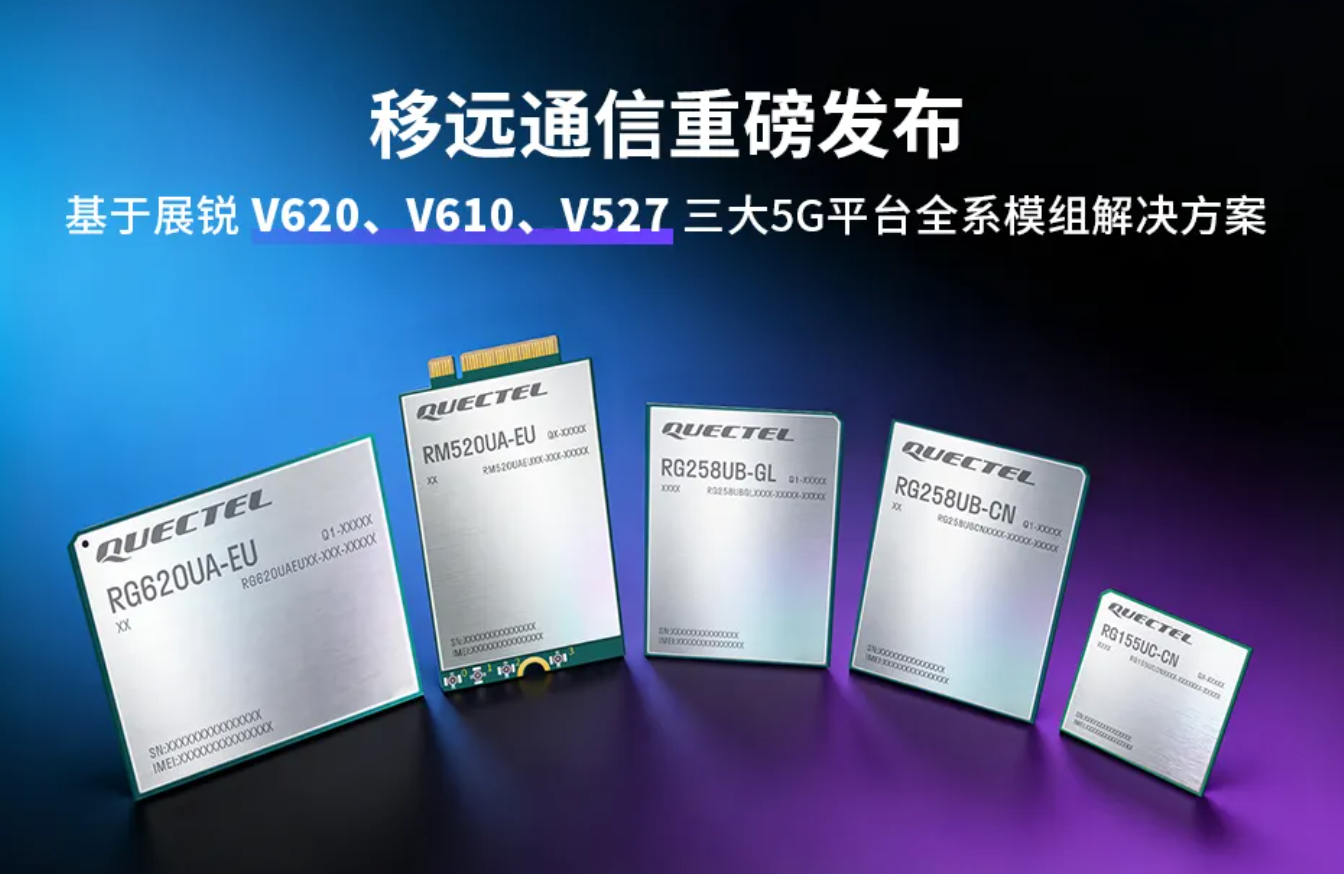
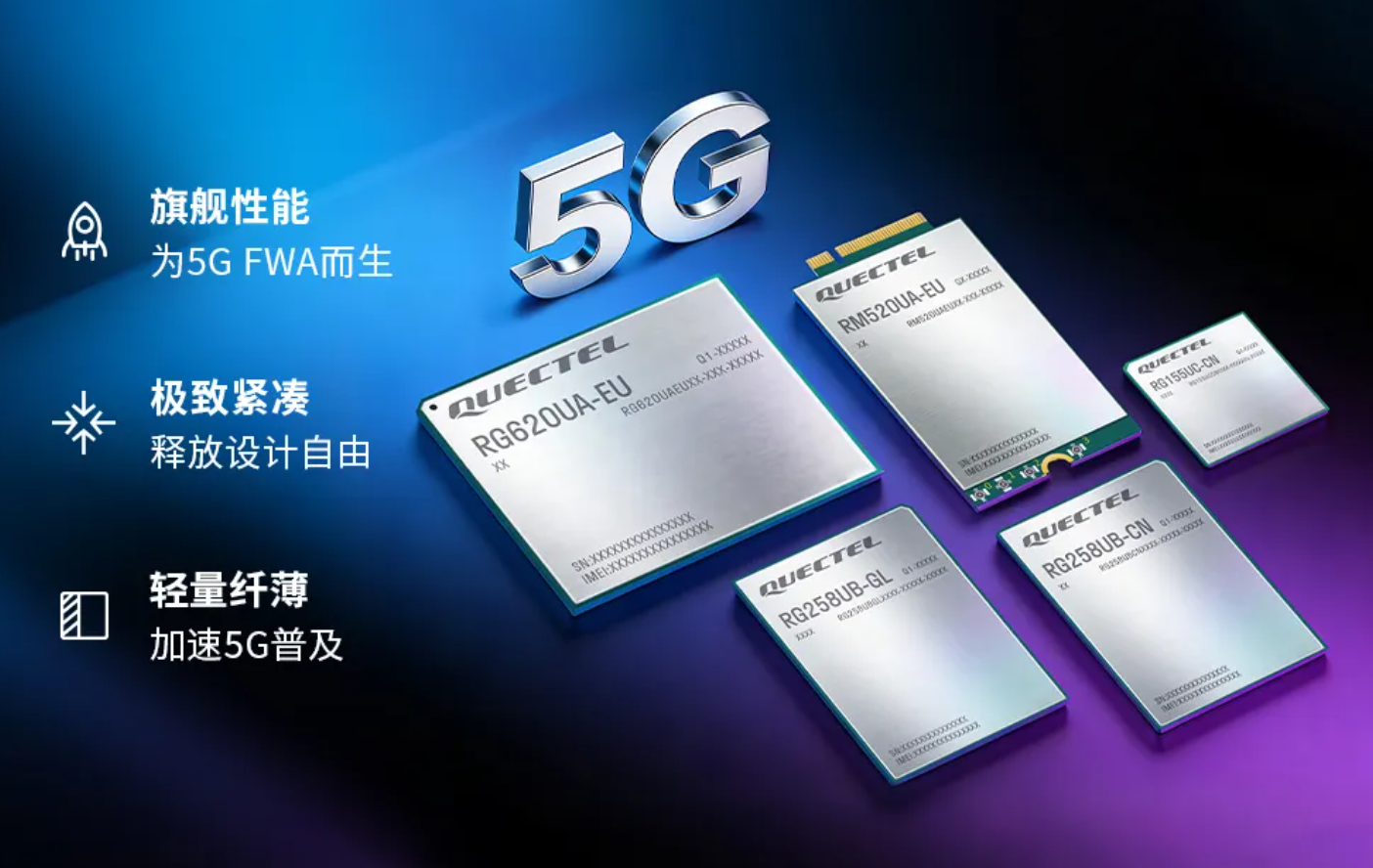
Quectel Launches 5G Module RG620UA-EU with Support for 3GPP R16

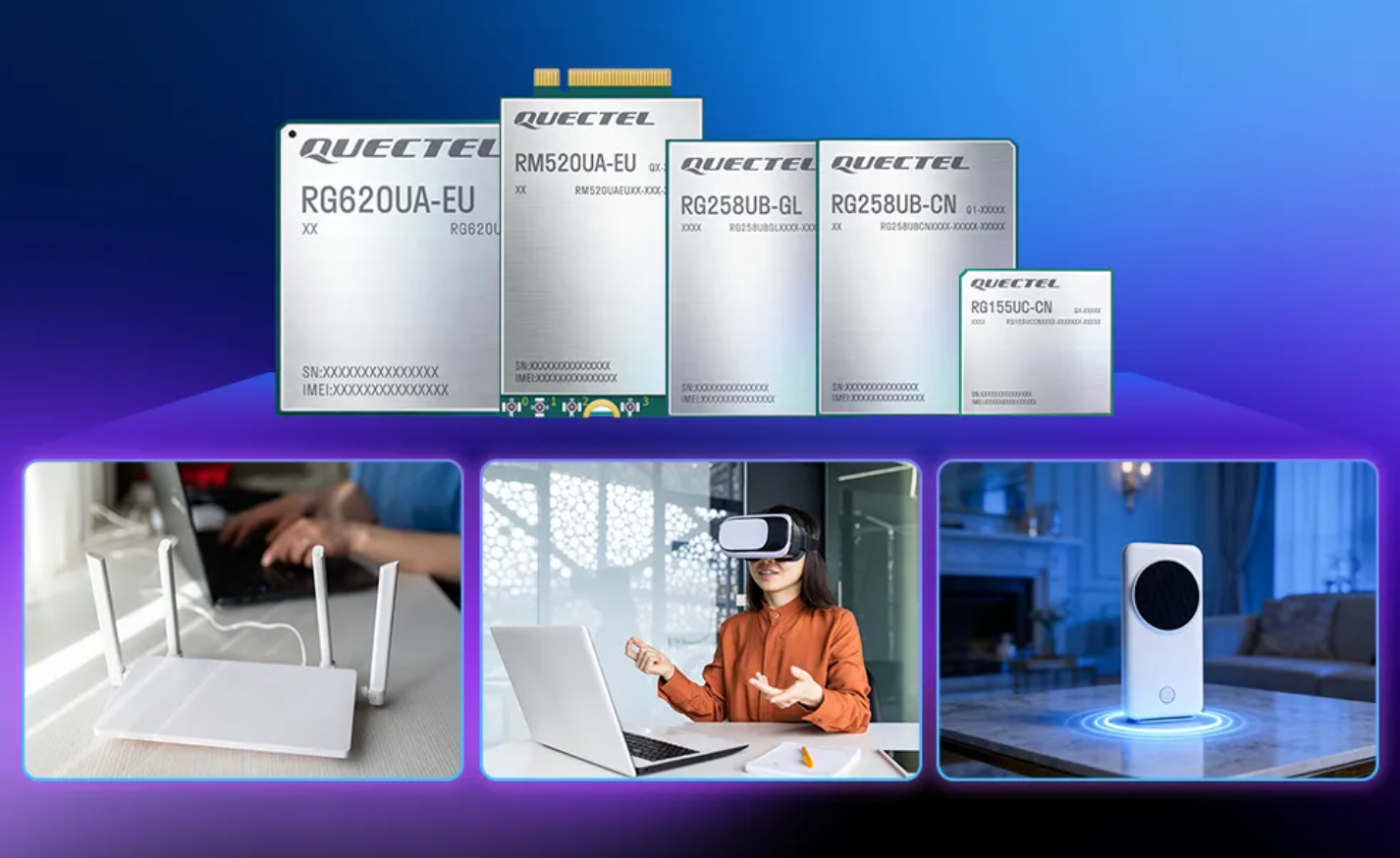
On February 28, Quectel, in collaboration with UNISOC, officially launched the RG620UA-EU module, which fully supports 5G R16 features. The Quectel 5G module is developed based on the UNISOC V620 platform, equipped with a 4-core Arm® Cortex®-A55 CPU, and complies with the 3GPP R16 standard. It excels in transmission rates, computing power, and key R16 features, offering excellent 5G connectivity performance for various sectors such as Fixed Wireless Access (FWA) and industrial manufacturing.

Quectel COO Zhang Dong stated, “The launch of RG620UA-EU is another significant achievement in the deep cooperation between Quectel and UNISOC. This 5G AI module not only meets the demand for high-speed and stable connections in the FWA market but also demonstrates great potential in the industrial intelligence and AI application sectors. It injects new vitality into the thriving 5G market and will provide users with a richer, more diverse, and intelligent 5G connectivity experience.”

UNISOC Executive Vice President Zhou Chen commented, “UNISOC has been deeply focused on the 5G vertical industry sector for many years. The V620 is the next-generation product from UNISOC, providing deeper empowerment for 5G FWA and vertical industries. Quectel is an in-depth partner of UNISOC, and the launch of RG620UA-EU will further empower industries such as industrial manufacturing globally. Both parties will continue to work together to promote the widespread application of 5G technology, supporting the digital transformation of various industries.”

Targeting the FWA Market, Adapting to Users of Different Scales

Globally, the FWA market is experiencing rapid growth, with tremendous market potential. Quectel’s RG620UA-EU performs excellently in terms of network coverage, transmission speed, and connection stability, perfectly meeting the demands of the 5G FWA market.

Quectel RG620UA-EU supports both 5G Standalone (SA) and Non-Standalone (NSA) networks, backward compatible with 4G and 3G, and is adaptable to major networks worldwide. It also supports mainstream frequency combinations such as NR CA, LTE CA, ENDC, and others for more efficient data transmission and better network coverage. Additionally, the module supports HPUE PC1.5, improving coverage range and signal transmission quality by 3dB compared to PC2.

In terms of transmission speed, RG620UA-EU supports Super Uplink technology and a variety of non-supplementary uplink (NUL) and supplementary uplink (SUL) combinations, meeting the demand for high-speed network connections in various application scenarios. In SA networks, the module can achieve a maximum downlink speed of 4.67 Gbps and an uplink speed of 1.875 Gbps, offering an ultra-fast connection experience to users.

Additionally, Quectel has deeply analyzed the network needs of users of different scales and will launch a series of targeted overall solutions for FWA, focusing on cost control, functional expansion, and service upgrades.

Empowering the 5G to B Sector with Full Support for R16 Features

Beyond the FWA market, the RG620UA-EU also has great potential in the 5G to B industry, especially in the industrial sector.

With the support of the UNISOC V620 platform, the RG620UA-EU fully supports 5G R16 features, including 5G TSN (Time Sensitive Network), 5G LAN, URLLC (Ultra-Reliable Low Latency Communication), high-precision positioning, high-precision timing, low power consumption, and more. This injects new vitality into its application in industrial sectors, further driving the development of industrial intelligence.

Quectel RG620UA-EU brings revolutionary changes to industrial IoT by introducing 5G technology into industrial TSN networks. It supports indoor high-precision positioning, ideal for scenarios requiring precise tracking of personnel, materials, AGVs, and other targets. With an average RTT (Round-Trip Time) of up to 8ms, it is suitable for industrial applications requiring strict latency, such as industrial robot control and remote PLCs. The module also supports R16 low-power features such as WUS (Wake-Up Signal) and UAI (Uplink Assistance Information), further reducing the power consumption of terminal devices, extending device lifespan, and providing reliable assurance for large-scale deployment of industrial IoT.

AI Empowerment, Achieving Diverse Application Scenarios

As AI technology becomes more widespread, large models like DeepSeek are gradually entering the public’s view, bringing efficiency improvements to work and life. Notably, the RG620UA-EU has the capability to access the DeepSeek-R1 model. Additionally, the module supports integration with Quectel’s AI solutions developed for various application scenarios, enabling intelligent voice interaction and other functions, opening up more possibilities for AI-based applications.

Furthermore, the RG620UA-EU supports high-config LPDDR4x and FLASH storage, fully meeting third-party storage requirements.

The RG620UA-EU adopts an LGA package with dimensions of 44×53×2.95mm. It is equipped with a rich set of functional interfaces, including USXGMII, PCIe3.0, USB3.1, SDIO3.0, UART, SPI, I2S, I2C, GPIO, and more, greatly expanding its application range. It can be widely used in 5G FWA, 5G handheld terminals, laptops, gateways, and other fields. The module also supports dual-SIM functionality, catering to scenarios that require eSIM or soft SIM, providing users with great flexibility and convenience.

With the continuous development and popularization of 5G and AI technologies, the IoT sector will usher in even greater development prospects. Moving forward, Quectel will continue to collaborate with UNISOC to drive technological innovation and inclusive development, delivering higher-quality and more efficient products and solutions to clients, supporting the digital transformation of various industries.

SIMCOM AI Module SIM9650L Successfully Runs DeepSeek R1 Model in Tests

The technological revolution driven by generative AI is reshaping the global industrial landscape. Recently, following the release of the domestic large model DeepSeek R1, which has rapidly sparked a new AI craze in China due to its openness and lower training costs, the transformation of AI terminal-side capabilities and industrial upgrades empowered by AI modules has become the focus of the industry. From quality inspection robots in smart factories to security drones patrolling communities, from companion robots in homes to voice interaction systems in smart cabins, the terminal-side deployment of AI capabilities is opening up a trillion-dollar market space.

In this wave of edge-side intelligence, communication modules, as the core link connecting the physical world to the digital world, play a crucial role in the intelligentization of AI terminals. SIMCOM has been deeply engaged in the IoT communication module field for 23 years, with solid technical foundations in the AIoT industry, continuously expanding the boundaries of edge-side AI.

Currently, SIMCOM’s high-performance AI module SIM9650L has successfully run the DeepSeek R1 model in tests, efficiently assisting customers in building deep learning systems for their terminals.

Supporting the Flourishing Development of Edge AI

With the commercial rollout of 5G, the explosion of AI large models, and the rapid evolution and iteration of artificial intelligence technology, edge-side AI is flourishing, leading the transformation of smart applications across industries and reshaping the smart terminal application ecosystem. Compared to cloud AI, edge-side AI significantly reduces latency, achieving millisecond-level response times, while protecting user privacy and reducing data transmission risks.

Furthermore, edge-side AI equipped with high-performance AI modules can offload computational burdens from cloud servers, reducing dependency on centralized computational resources, thus lowering costs. With the continuous progress of algorithm technologies, including model quantization, pruning, distillation, and the development of hardware and software platforms specifically designed for edge-side deployment, the deployment of large AI models on edge devices has become more efficient and convenient.

As a globally recognized provider of IoT module products and solutions, SIMCOM has a rich product line across various fields such as 5G, 4G, AI, LPWA, GNSS, NTN, and V2X. Its AI module products cover multiple performance levels, with rich application interfaces, supporting multi-mode network connectivity and different regional frequency bands worldwide, including series such as SIM9650L, SIM8965, SIM8973, SIM8970, SIM8950LH, SIM8960, SIM8905, SIM8906, SIM8502, SIM8918, SIM6600, and more.

These AI module products offer different solutions tailored to customers’ requirements for computational power, energy consumption, size, and cost. They are capable of meeting the needs of various application scenarios and have already supported large-scale AI terminal applications in smart living, intelligent manufacturing, smart automotive, smart cities, smart agriculture, smart healthcare, smart parks, and low-altitude economies.

In today’s rapidly changing AI technology landscape, providing efficient and innovative solutions for the intelligent upgrade of AI terminals has become a key to industry development. Currently, SIMCOM is conducting research to integrate other large models like Doubao, actively exploring more deep applications. Behind the success of AI large models is the essential demand for value creation driven by industrial intelligence, and SIMCOM will leverage communication modules as leverage to bring edge-side AI to life through the deep integration of “modules + algorithms + scenarios.”

SIMCom’s New 5G Module A8200 Drives Digital Transformation Across Industries

With the rapid development of 5G technology and its commercial rollout, its development trend is showing multi-dimensional characteristics, including technological iteration, widespread application, policy incentives, increased investments, and vast prospects. In response to the market’s demand for high-performance, cost-effective, and domestically produced 5G modules, SIMCOM continuously enriches its 5G product line. The newly released A8200 5G module, based on the Aojie Technology 5G chip platform, assists various industries in accelerating their digital transformation.

SIMCOM A8200 is a high-performance, cost-effective 5G module, developed based on Aojie Technology’s ASR1901 5G chip platform, compliant with the 3GPP R16 standard, and using 12nm technology. It supports multiple communication modes, including 5G NR, LTE, and WCDMA, and is compatible with both 5G SA (Standalone) and NSA (Non-Standalone) modes.

The A8200 also supports key functions such as carrier aggregation, VoNR, and VoLTE, meeting the demands of various usage scenarios. It is particularly useful for terminal devices with voice requirements, providing high-quality voice call performance and delivering an outstanding communication experience for users.

Additionally, the A8200 features a variety of peripheral interfaces, making it widely applicable in scenarios like wireless video surveillance, telemedicine, smart power grids, and smart factories. This module significantly contributes to the digital transformation and intelligent upgrading of the IoT industry in the 5G era, providing strong support for deploying diversified 5G applications for terminal customers.

On the network communication front, the A8200 showcases powerful adaptability, automatically adjusting to both 5G NSA and SA dual-mode networks. In terms of speed performance, in Sub-6G SA mode, the A8200 achieves a download rate of 4Gbps and an upload rate of 1Gbps.

In terms of form factor, the module uses the mainstream LGA package, measuring 41x44x2.85mm. The product series supports different frequency bands for regions including China, Europe, and South America, allowing customers to flexibly choose according to their needs.

In the era of the digital economy, 5G has deeply integrated with various industries, driving the rapid evolution and development of new technologies, new economies, and new industries. The advantages of 5G, such as wide coverage, high speed, large bandwidth, and low latency, have become a crucial foundation for industry transformation.

As global 5G infrastructure continues to improve and applications deepen, SIMCOM’s 5G module series will become one of the key elements driving the high-quality development of the digital economy, helping industries explore more innovative applications and accelerating the realization of smart production, smart living, smart work, smart healthcare, smart transportation, and smart city development.

Quectel Edge Computing Module Runs DeepSeek Model

Recently, the domestic large model DeepSeek has gained global popularity due to its core advantages of “open-source, efficient inference, and edge-friendly” capabilities. Quectel Communication, based on its edge computing module SG885G, has successfully implemented the stable operation of the DeepSeek model and completed targeted fine-tuning.

Currently, the model is undergoing in-depth testing and optimization on multiple smart terminals. With its outstanding engineering capabilities, Quectel will accelerate the large-scale application and popularization of edge-side AI technology across various industries.

DeepSeek: A Pioneer in AI Model Innovation

DeepSeek’s global success stems from its breakthrough innovations in model architecture, distillation technology, and reinforcement learning.

The full version of the DeepSeek-V3 model adopts an innovative MoE (Mixture of Experts) architecture with 671 billion parameters, capable of processing 60 tokens per second. It excels in handling complex tasks like long document analysis and multimodal reasoning. Each layer includes 256 routing experts and 1 shared expert, with only 8 experts activated per token, significantly improving learning efficiency and flexibility, reducing training and inference costs, and accelerating token generation.

To address the shortcomings of small inference models’ Self-play learning, DeepSeek-R1 uses efficient distillation technology to transfer the inference capabilities of large models to smaller, more efficient versions. This breakthrough allows the smaller version to maintain excellent performance while significantly reducing model size and computational resource requirements, making it an ideal choice for edge-side deployment.

Additionally, the experimental DeepSeek-R1-Zero version demonstrated that large models can possess powerful inference abilities through reinforcement learning (RL) alone, without the need for supervised fine-tuning, opening up new possibilities for AI model training.

DeepSeek’s Smaller Version: An Ideal Choice for Edge Deployment

The DeepSeek-R1 version focuses on reinforcement learning technology, offering strong inference capabilities and excellent cost-performance. The series of small-size distilled models based on this version, with parameter ranges from 1.5B to 70B, provide developers with high-performance, low-cost large model deployment and development solutions, which will strongly drive the commercialization of edge-side AI.

The simplified small models inherit powerful AI capabilities from their large counterparts. Despite a reduction in parameters, the performance remains outstanding. With significantly reduced computational load, memory, and resource consumption, these models are particularly suitable for edge devices with limited resources. Additionally, inference speed is greatly improved to meet the real-time requirements of edge devices. Furthermore, the smaller models have a more compact form and stronger adaptability, making them easier to integrate and run on various industry terminals and edge computing devices. Despite model compression, distillation technology allows the small models to maintain high precision, ensuring task performance remains unaffected.

Quectel: Accelerating Edge AI Deployment with Leading Engineering Capabilities

While many manufacturers are still exploring how to support the DeepSeek model, Quectel has already made breakthroughs. Its edge computing module SG885G, based on Qualcomm’s QCS8550 platform, has successfully achieved the stable operation of the DeepSeek-R1 distilled small model. Test data shows that its token generation speed exceeds 40 tokens per second, and with continuous optimization, the speed will improve further, bringing more powerful AI capabilities to smart terminal devices.

Moreover, Quectel has closely collaborated with industry partners to conduct in-depth testing and optimization for applications in robotics, smart cabins, and smart industries, providing users with a smoother AI experience.

Quectel’s edge computing modules and solutions, equipped with the DeepSeek model, are not only applicable to consumer and industrial robotics but also have widespread applications in smart cabins, machine vision, personalized virtual assistants, tablets, elderly care, smart homes, AI toys, and wearable devices. These diverse scenarios benefit from powerful AI empowerment, such as more natural voice interactions, more accurate image recognition, and more personalized service experiences.

Furthermore, after successfully achieving the edge-side operation of the DeepSeek model, Quectel has also completed targeted fine-tuning of the model and applied it to its own large-model solutions, offering more precise and efficient edge-side AI services to clients. This achievement not only highlights Quectel’s technical strength in the field of edge-side AI but also reflects its leading engineering capabilities, which will strongly drive the rapid development and deployment of AIoT applications.

Looking towards the wide range of vertical industries that urgently require AI capabilities, Quectel will continue to invest resources to promote more high, mid, and entry-level edge computing modules, as well as smart cabins, 5G, LTE modules, and solutions, to fully integrate advanced models like DeepSeek and large cloud models. This will help IoT devices achieve intelligent upgrades and usher in a new era of interconnected devices.