Qualcomm Unveiled Snapdragon X55 5G Chipset

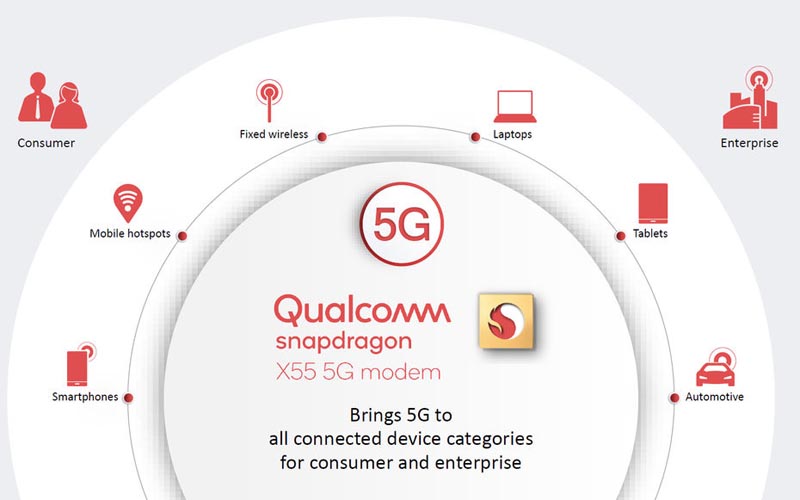
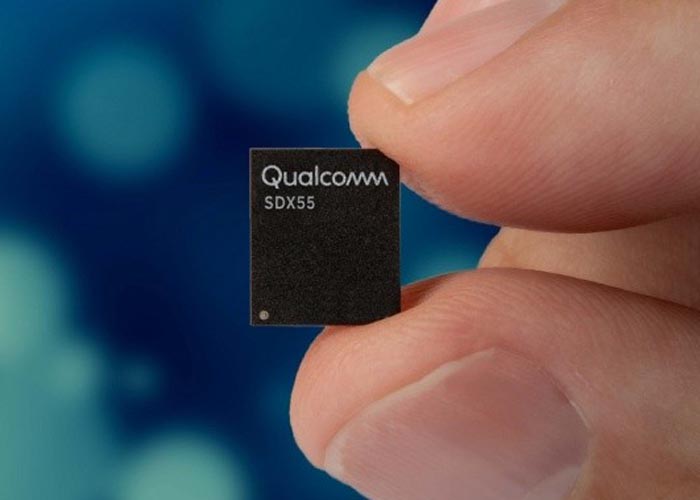
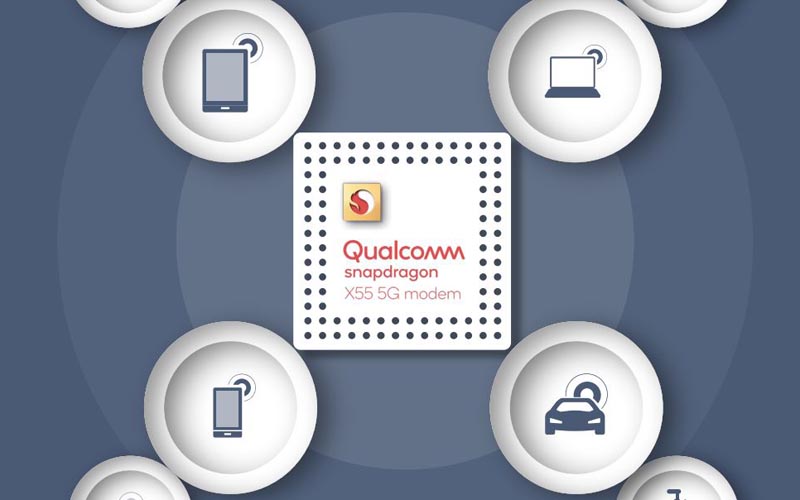
Yesterday, Qualcomm introduced the second generation of its 5G modem, the Snapdragon X55. The X55 modem can use 5G in a variety of frequency ranges and allows speeds of up to 7 gigabits per second. It supports both 5G standalone networks and 5G non-standalone networks. The Snapdragon X55 modem is also backwards compatible with LTE, UMTS and GSM (4G, 3G and 2G) in the initial phase of 5G.


As the successor to X50, the Snapdragon X55 modem is already Qualcomm’s second 5G modem. The X55 modem is prepared for 4G / 5G spectrum sharing, allowing network operators to easily switch from LTE to 5G. The supported frequency ranges range from the millimeter-wave range (above 26 GHz) to the frequency range below 6 GHz. The range between 3.4 and 3.8 GHz used in Germany and Europe to launch 5G is also supported by the Qualcomm Snapdragon X55.


The Qualcomm Snapdragon X55 modem is also up to date in the LTE network. With LTE Cat22, up to 2.5 Gbps can be used in the fourth-generation mobile network. The prerequisite for such high speeds is of course that the network operator uses sufficient spectrum and bundles this via carrier aggregation. Even the highest possible modulation and the use of 4 × 4 MIMO significantly increases the speed.


First commercial handsets with the new Snapdragon X55 5G modem will hit the market in late 2019, according to Qualcomm. For the first generation of 5G smartphones, which will probably appear in mid-2019, the modem comes a little too late. It might still be worthwhile to wait a bit and not to access the very first 5G smartphones, because the first generation of new mobile modems is experience quite energy hungry and quickly outdated.


Timetable of 5G Mobile Cell Phones

From 2019 to 2020, the top 10 cell phone manufacturers will release 5G mobile phones intensively. Even though 2020 would be the first year for 5G devices to commercially use in large scale, many manufacturers are ready to release their 5G smartphones. Now let’s see what the new 5G phones include:


5G Brand Release date 5G Cell Phone Model List
Apple 2020 iPhone
Google 2019 Pixel 4
Nokia Unknown Unknown
Honor 2019 Honor View 20(5G Version)
HTC 2019 HTC U13
Huawei 2019 * Huawei P30 Pro
* Huawei Foldable cell phone
LG 2019 LG/Sprint: LG G8 ThinQ
Motorola/Lenovo 2019 Mote Z3
OnePlus 2019 OnePlus 7(5G Version)
Oppo 2019

OPPO Reno 5G

Samsung 2019 * Galaxy S10 5G
* Verizon/AT&T Customized
* Samsung Galaxy Fold
Sony 2019 Xperia
Xiaomi 2019 Mix 3(5G Version)
ZTE 2019 ZTE Axon 10 Pro
VIVO 2019 VIVO NEX 5G
ZTE 2019 Nubia Mini 5G


Samsung Galaxy S10 – Released Time: Feb, 11


Samsung had already announced the date to launch the Galaxy S10 a few months ago. Besides the well-known aperture screen, it also has the configuration of Snapdragon 855 mobile platform and Samsung Exynos 9820 processor, which both have the ability to support 5G, so the Samsung Galaxy S10 would be easy to have a 5G version.

With the X50 modem and Qualcomm antenna & RF module, the Snapdragon 855 would make S10 to work on 5G easily. Besides the Qualcomm 5G platform, Samsung already developed its own 5G platform. In Aug 2018, Samsung presented the 5G chipset Exynos Modem 5100, after integration of RF IC and power IC, Exynos Modem 5100 can be supplied as chipset to the terminal manufacturers and save the time for the manufacturers.


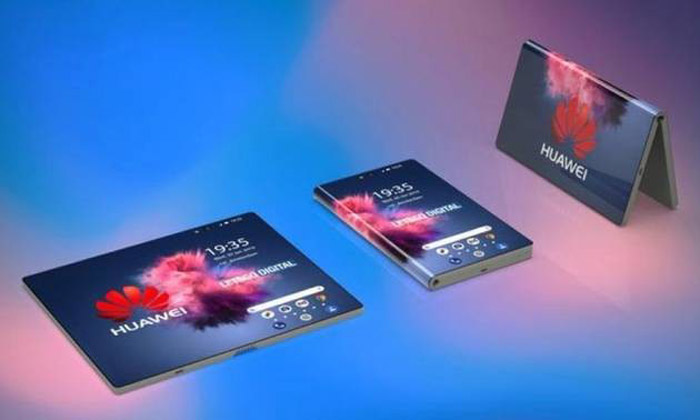
Huawei P30 – Feb 24, Huawei Folding cell phone – Feb 24, Huawei Honor V20 5G Version – 2019


Huawei would present a new P series smartphone at MWC 2019, and in 2019, Huawei would bring P30 with back four cameras, which makes it be in the first batch of 5G cell phones. Before MWC 2019, Huawei had a communication conference to release some 5G base station, 5G chipset and 5G terminals, among which, Hisilicon Kirin 980 and Balong 5000 are the main chipsets for 5G terminals.
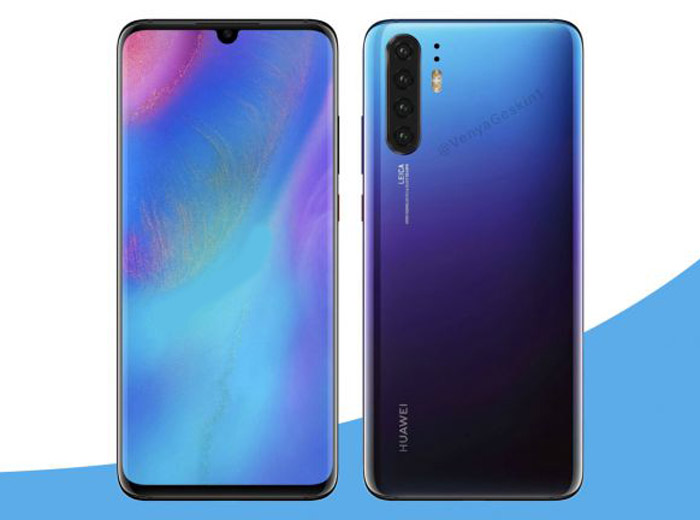
With P30, Huawei also brings its 5G folding cell phone, which would be presented to the public as Huawei first 5G cell phone and folding phone on 14:00 Feb 24 in Barcelona. In addition, we will also have the possibility to see the latest 5G version of Honor V20. And the Honor V20 5G Version may adopt the same solution as Huawei P30.
 

Oneplus 7 + Oppo R15 + Xiaomi Mix 3 5G Version – Early 2019


As the 5G terminals members of Snapdragon series, OnePlus and Oppo have a good partnership with Qualcomm. Following the OnePlus CEO Liu Jiahu sent the first twitter in 5G network environment in October 2018, Liu Jiahu also said OnePlus would launch a 5G commercial phone in Europe in Qualcomm Snapdragon technology Summit in December. And there is the possibility to launch a completely new range of products, which means OnePlus may also go the double flagship road, like Huawei and Honor.


As one of the important manufacturers in China, OPPO had achieved the signal and data link on 5G network in August in 2018. It’s said the first 5G cell phone model number is R15, but not confirmed yet.


Xiaomi had announced the first 5G phone would be based on Xiaomi Mix 3. The Mix 3 5G version would adopt the Qualcomm Snapdragon 855 and X50 modem baseband add-on platform to fulfill the 5G connection. The 5G phones with the Snapdragon platform have pure technologies and baseband support, which are also the first batch 5G phones available in the market.


Sony Xperia – 2019, LG V50 ThinQ – 2019


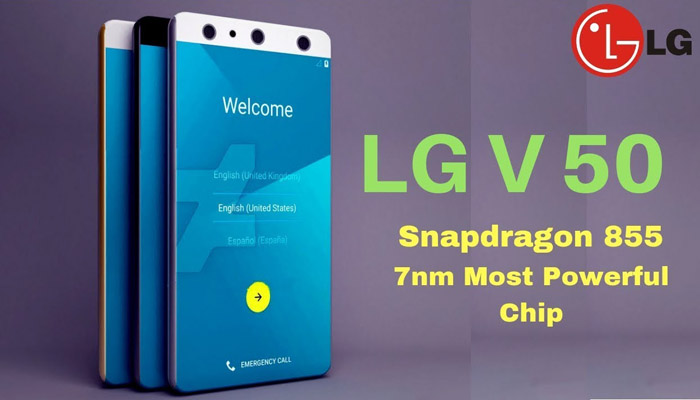
Like Samsung, LG and Sony mobile phones are going down, but they never give up cell phone business and keep presenting a new flagship phone. LG will present its first 5G phone V50 ThinQ, which has a 6 inches display and 4000mAh battery with Qualcomm Snapdragon 855 platform.
Sony would also launch its first 5G cell phone in 2019, but till now, we don’t have detail information for the 5G phone. But we are sure Sony would follow other manufacturers to release its 5G phone.


Google Pixel 4 – 2019, HTC U13 – 2019


Google Pixel series are special mobile phones for making friends, not for money. However, it has gained many fans in these years. Per the past schedule, the Pixel 4 would support 5G, but no more news to get now.


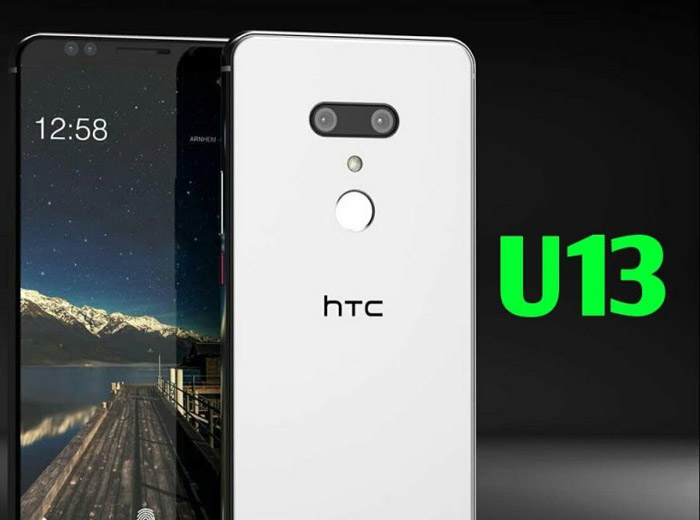
Regarding HTC, it’s said the HTC U13 would be the flagship. Even though HTC didn’t tell when the U13 would be available, but they confirm U13 would focus on 5G technology.
 

Apple iPhone

Apple is reluctant to follow the 5G mainstream in 2019, not only 5G technology is not pure, but also Apple doesn’t have strong 5G support from its partners. So if you want to buy an iPhone, don’t wait for 5G iPhone in 2019.


From the mentioned 5G phones, we can see some manufacturers are trying to use 5G phones to change the current market decline; some are just following the mainstream to see whether there are good opportunities. Whether 2019 would be the first year of 5G phone, we will see and the market will tell.


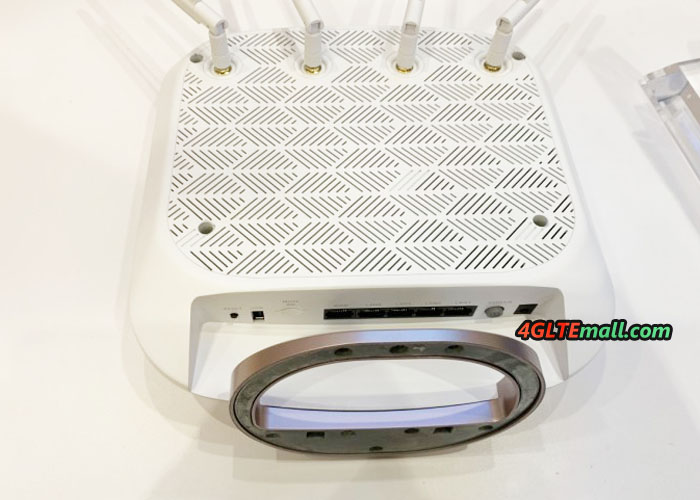
D-Link Debuts New 5G NR Router DWR-2010

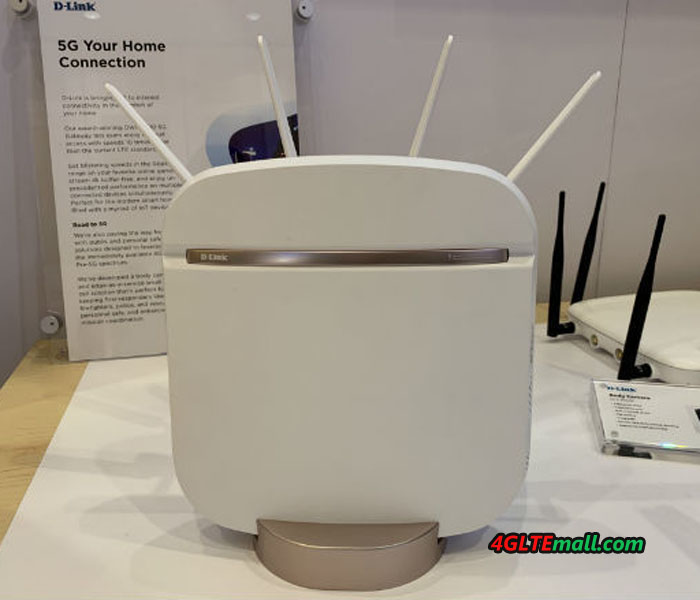
At the Consumer Electronics Show 2019 in Las Vegas, D-Link announced a new 5G NR Enhanced Router named DWR-2010. With nothing more than wall power and a SIM card, the router promises to create a high-speed Wi-Fi network in your home, according to the official sayings, the DWR-2010 5G NR Router enables download speeds more than 40x faster than current average fixed broadband download speed in the U.S. of 70Mbps.

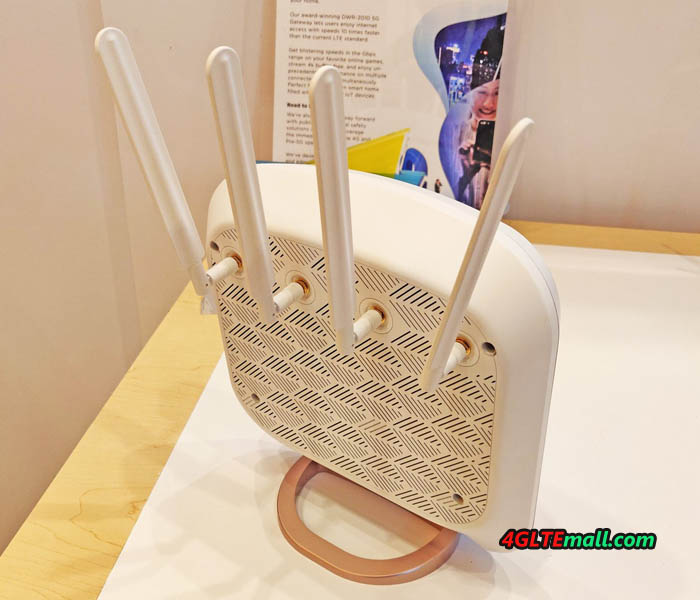
Based on Qualcomm’s SDX55 chipset, the D-Link DWR-2010 5G Enhanced Gateway is capable of transmitting standards-compliant 5G data through either millimeter wave or sub-6GHz towers, the former currently available in a handful of U.S. cities and the latter planned for wider deployment in 2019 and 2020. Four of its antennas pick up 5G signals, falling back to LTE when 5G’s not available, and the D-link 5G Router also supports voice over LTE (VoLTE) for traditional phone calling.


D-Link DWR-2010 5G Router Highlight features Review:

  • CES Innovation Award Honoree
  • Embedded 5G NR NSA module (3GPP Rel.15)
  • Sub-6 GHz or mmWave frequency compatible
  • AC2600 Dual Band Wi-Fi (800 + 1732 Mbps) with MU-MIMO
  • 4 external antennas for LTE/5G NR
  • Whole home coverage with D-Link Wi-Fi Mesh
  • Auto Firmware Upgrade
  • Supports VoLTE
  • Supports Remote Management (TR-069)

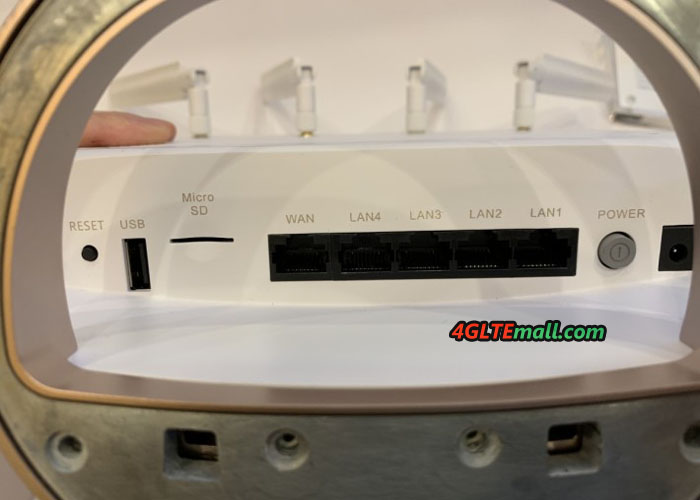
Like a traditional Wi-Fi router, the 5G NR Router enables users to access data either through Wi-Fi connections or Ethernet ports, starting here with a 2.5Gbps LAN, a 1Gbps WAN/LAN, and three 1Gbps LAN ports. The Wi-Fi 5 (802.11ac) support is practical — given today’s devices — but a generation old, offering an 800Mbps connection on one band plus 1.7 Gbps of bandwidth on another. It’s worth noting that faster Wi-Fi 6 routers are already being announced ahead of this month’s CES trade show, though no consumer devices — computers, tablets, or smartphones — include the chips necessary to use them.

D-Link’s key selling point for the DWR-2010 5G is convenience. Assuming there’s a 5G network in your neighborhood, and 5G data pricing is reasonable, a cellular carrier could offer you high-speed home broadband service with zero installation hassle — just plug the router into a wall near a window and, if the SIM card’s pre-installed, join the network. In theory, the router could work with current and future AT&T and Verizon 5G services, and D-Link expects it will expand broadband availability to “remote areas currently limited to dial-up and DSL services.”


A secondary selling point for the router is speed. The DWR-2010 5G Gateway’s bandwidth promises to stream 4K video content with ease and to support “little to zero lag” in online gaming. This sort of reduced latency is a key feature of 5G networks and is expected to enable both ultra-high resolution videos and instantly responsive immersive 3D/VR streaming.

The DWR-2010 5G NR Router is scheduled for release in the second half of 2019 and doesn’t yet have a price tag. By the time it’s released, multiple carriers will hopefully have affordable 5G data plans capable of making the most of its features.

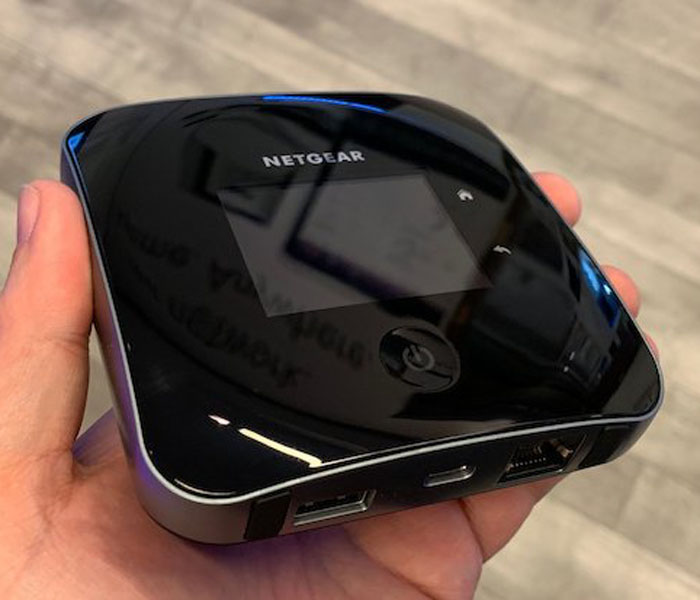
Telstra Presents Netgear Nighthawk M2 5G Mobile WiFi Router

As the successor to the Nighthawk M1, Netgear presented a new 5G mobile router Nighthawk M2 for the Australian network carrier Telstra at CES 2019. The new mobile hotspot supports 4G LTE Category 20 and could provide faster speeds for surfing. The appearance of the new 5G mobile hotspot is very similar to the first 5G mobile router Netgear Nighthawk M5, which is available for the AT&T 5G networks in the USA.

The Nighthawk M2 is equipped with a Qualcomm Snapdragon X24 modem, and the theoretical data rates are 2Gbps for download and 316Mbps for upload. It’s possible to achieve 7 carrier aggregations for download and triple carrier aggregation for upload. The 4 × 4 MIMO antenna technology is supported on up to 5 carriers simultaneously. The 256QAM modulation is supported not only in the downlink but also in the uplink. Combining the mentioned technologies, the device reaches the mentioned 2 gigabits per second – but only if the mobile networks support these technologies as well.

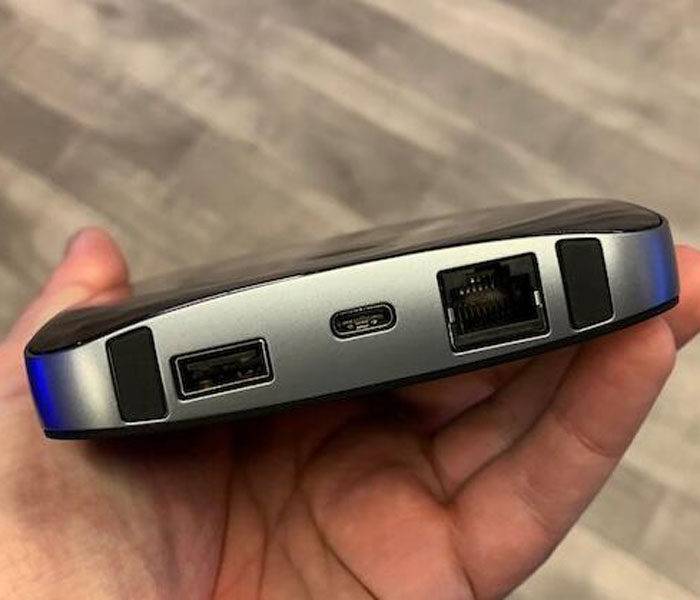
Like the predecessor M1, Netgear M2 could also support maximum up to 20 wireless devices to access the internet. What’s more, the Nighthawk M2 has one RJ45 Ethernet port, one USB-C Port and one Type-A USB port. And two connectors for external antennas are available, but what’s the connector type is unknown yet. More details of the Netgear Nighthawk M2 is waiting for the official specs from Netgear or Telstra.


According to the Telstra news, the Nighthawk M2 is the world’s fastest 4G device on Australia’s fastest mobile network, and it’s said the M2 was already under test and it would be available in the market in early 2019. However, the price of Netgear Nighthawk M2 is not yet known, but we will keep updating the news.


Telit LM960 LTE-A Cat18 Module Review

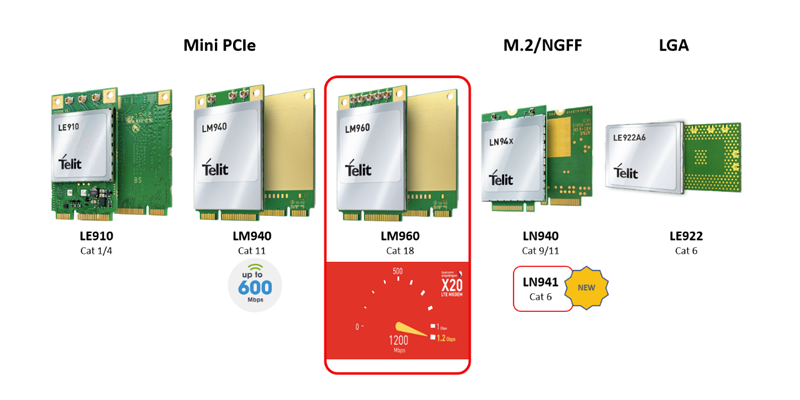
Telit introduced the LTE-A Cat-18 module LM960, capable of supporting speeds up to 1.2 Gbit/s in the downlink and 150 Mbps in the uplink. Such speeds are necessary, for example, when streaming video from the scene in high resolution or for distributing the Internet in an emergency situation from a mobile platform.

The Telit LM960 module is assembled in a PCI Express Mini Card (mPCIe) format. Telit calls it the first Cat-18 mPCIe module. It will be purchased by FirstNet operator for use in various devices used by emergency workers, in particular, in mobile and portable wireless routers installed in ambulances and other special vehicles.

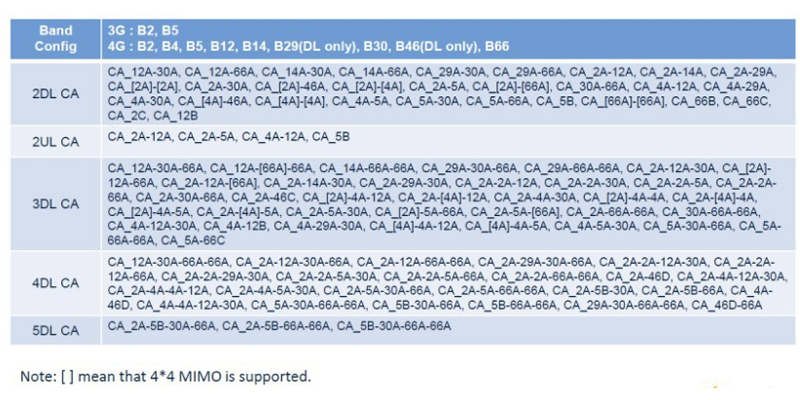
The LM960 module supports both in-band and in-band carrier aggregation (up to 5) to achieve 1.2 Gbit/s throughput in the downlink with a 4×4 Mimo mode and 256-QAM modulation (up to 5). 150 Gbit/s in the uplink). Telit’s product can also operate in up to 23 different LTE bands (16 LTE FDD and 7 LTE TDD bands) including Band 14 (700 MHz), used in the United States for public safety, as well as 3.5 GHz CBRS Citizen Band Radio Service) bands and LAA 5 GHz (LTE-License Assisted Access), the latter allowing to improve performance in particular buildings in addition to the “traditional” cellular service.

The Telit LTE Module also supports several satellite positioning technologies, including GPS. In addition to supporting band 14, the LM960 operates in all other frequency bands that FirstNet uses to provide connectivity to the systems used by the emergency services. The LM960 is capable of operating in a temperature range of -40 ° C to + 85 ° C and also incorporates a four-constellation geolocation satellite subsystem (GNSS) and two SIM cards.


Telit LM960 Specs and Features

The LM960 module is based on the Qualcomm Snapdragon X20 LTE Modem chip and below is the general specs for reference:

  • Aggregation up to 5 frequency bands
  • Up to 150 Mbit/s UL 64QAM and UL aggregation support
  • LTE FDD Bands: B1, B25 (B2), B3, B66 (B4), B26 (B5), B7, B8, B12 (17), B13, B14, B20, B28, B29 (DL) ), B71
  • LTE TDD Bands: B38, B39, B40, B41, B42, B46 (DL), B48
  • 3G ranges: B1, B2, B4, B5, B8
  • Satellite Systems: GPS, GLONASS, Galileo, Beidou
  • USB 3.0
Feature Sub Feature Telit LM960
Rel 12 Release 12 compliance Yes
4×4 MIMO 4×4 MIMO on 2 contiguous carrier + 2×2 MIMO on 3rd carrier Yes
3DL CA Inter-band with 4×4 MIMO on one of 3 bands
4×4 MIMO on 2 bands in 2xCA Configuration
LTE CA 4x DLCA(80MHz aggregated BW; Cat16) Yes
3.5GHz B42 4×4 MIMO Deployments in Japan Yes
LTE-U LTE-U(eCAST) Yes
LAA(60MHz) Achieves 1Gbps with LAA Yes
Data IC Interference cancellation for LTE Data Yes
LAA Enhancements * More than 1 Lincensed carrier with LAA Yes
* Support for Wi-Fi measurements reporting in LAA
* 5xCA 4+2+2+2+2 scenario
Cat16+ 1.2Gbps Yes
12 Layers Support for 12 layers(Also 4×4 MIMO with 3xDLCA) Yes
5xCA 5x Carrier Aggregation Yes
New Bands 600MHz, CBRS(B48 with CA) Yes


The ruggedized LM960 module is derived from the Cat-11 compatible LM940 and the two cards are interchangeable, says Telit, which offers developers the ability to launch new equipment (routers, gateways, etc.) built on designs already using the Telit LM940, or to create product families with different performance levels (the LM960 for the high-end, the LM940 for the mid-range).


Telit LM960 Price and Buy

Since Telit LM960 is not available in the market for volume and just in the range of testing. The Telit LM960 price is high and there is only few online stores who can supply the samples time to time. We 4GLTEMALL.com could supply the Telit LM960 samples but not stably. If you want to buy the Telit LM960, you must pre-order first to get it.


Inseego Launches 5G NR-Compatible Mobile Wi-Fi Router for Verizon

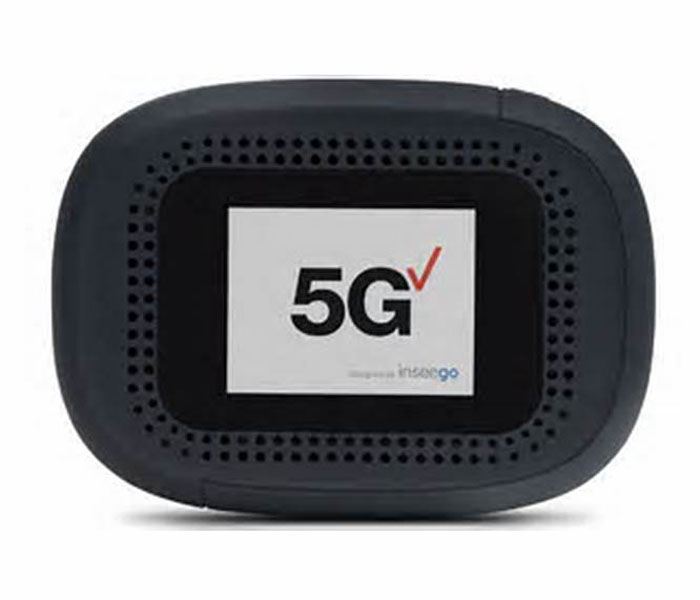
Inseego in the United States has released a mobile wireless LAN router compatible with the 5th generation mobile communication system (5G). It is a mobile wireless LAN router for Cellco Partnership which is a US mobile operator (MNO) that operates as Verizon Wireless.

The 5G communication method corresponds to the NR method prescribed to satisfy the requirement of 5G in 3rd Generation Partnership Project (3GPP) of the standardization organization.


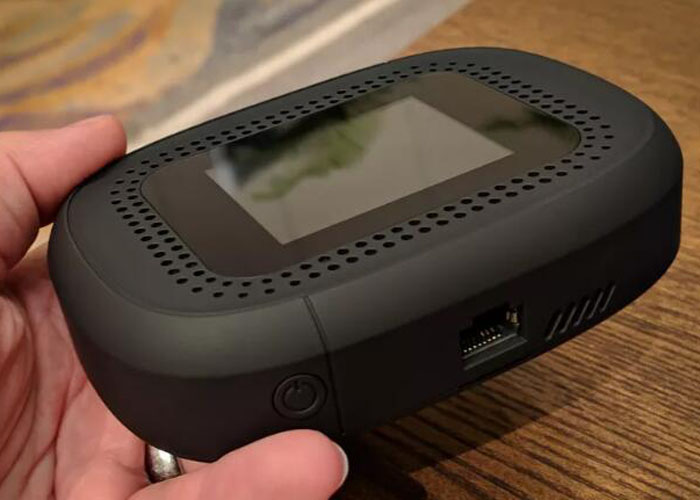
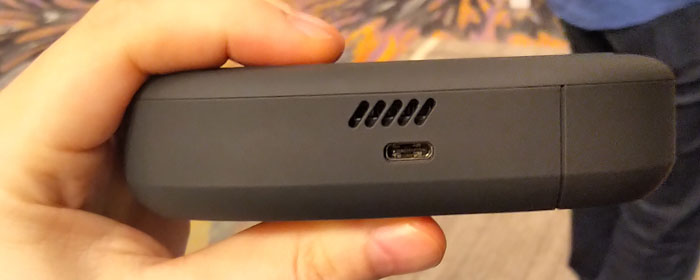
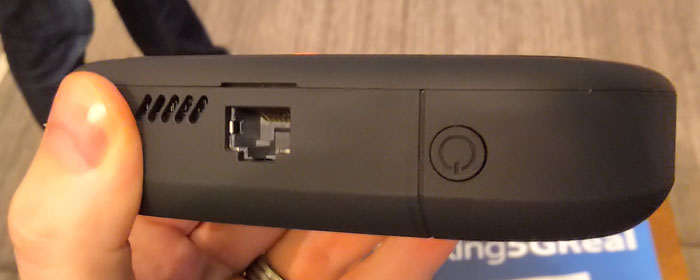
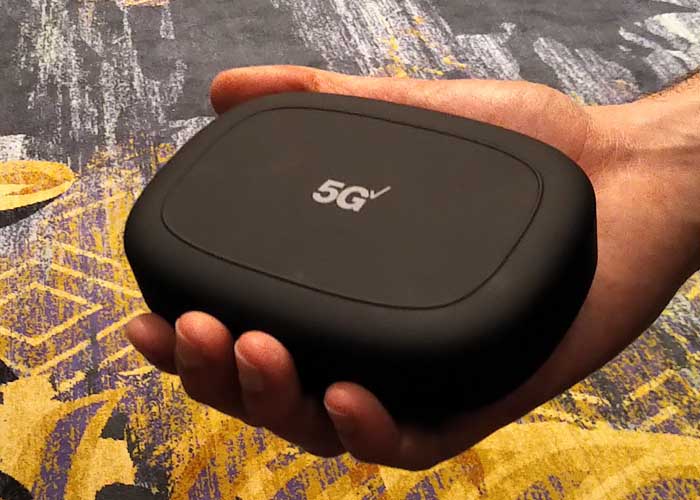
As with this device, the idea is that 5G signals come in and it is converted into Wi-Fi for other people to use. The focus here is Wi-Fi, with the device being 802.11ax-ready (Wi-Fi 6 ready) although the unit also has an Ethernet RJ-45 port (unclear what standard) to connect to a network if needed as well as a Type-C connection for direct tethering. This is the small business device designed to help several employees access the internet. There is also a small LCD display.

Inside the device is similar to the Netgear Nighthawk 5G mobile hotspot, with a Snapdragon X50 modem, an S855 SoC, and a built in battery. This time we were told there is a 4400 mAh battery, and the goal is to supply a full day’s worth of battery. The company said that they have 10 hours right now, but still have a good amount of optimization to do. On speed, the goal is to support 2 Gbps of mmWave 5G connectivity with sub-10 millisecond latency.

Cellco Partnership began offering 5G service as Verizon 5G Home in some cities in the United States on October 1, 2018, but Verizon 5G Home is for fixed communications, and it is a proprietary 5GTF system which Cellco Partnership led the development is adopted.


In the plan to start 5G service for mobile communication in the first half of 2019, 5G service for mobile communication is compliant with NR method, and in the future, it is a policy to replace the 5GTF method of Verizon 5G Home with NR method.

Mobile wireless LAN router corresponding to 5G developed by Inseego was decided to be released by Cellco Partnership in 2019.


The newest MiFi device is exclusive to Verizon and will be available to Verizon customers nationwide in 2019. Inseego also plans to offer its MiFi 5G NR hotspot device to customers of various global carriers next year, though the company hasn’t yet announced which specific ones.

How fast are we talking about here? According to Inseego, leading up to this week, the MiFi 5G NR “consistently” hit speeds of more than 2Gbps, along with sub-10 milliseconds latency in multiple component carrier aggregations (CA), as part of a real-world trial.

China Three Network Providers Get 5G License for Test

A few days ago, Chinese three major network providers (China Mobile, China Unicom and China Telecom) gained the 5G frequency band license for the national-wide test. China Telecom has obtained 5G test frequency resources with a total bandwidth of 100MHz from 3400MHz to 3500MHz; China Mobile has obtained 5G test frequency resources in the 2515MHz-2675MHz and 4800MHz-4900MHz frequency bands, in which the 2515-2575MHz, 2635-2675MHz and 4800-4900MHz frequency bands are new frequency bands. The 2575-2635MHz frequency band is the re-cultivation of China Mobile’s existing TD-LTE (4G) frequency band; China Unicom has obtained 5G test frequency resources with a total bandwidth of 3MHz from 3500MHz to 3600MHz.


Network Carrier 5G Frequency Band
China Mobile 2515MHz-2675MHz(N41), 4800MHz-4900MHz(N79)
China Unicom 3500MHz-3600MHz
China Telecom 3400MHz-3500MHz

This is the final test before the 5G in China will be commercially launched in 2019. As planned, the 5G will be launched for commercial trial in June 2019 and after application test, 5G network will expand the coverage more widely in larger scale at the end of 2019. And in 2020, 5G will become common and the cell phone will have 5 telecommunication modes.


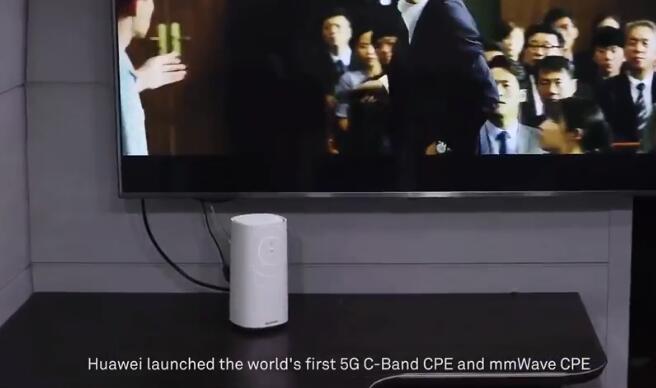
Huawei 5G Router for mmWave and C-band Released

At the Global Mobile Broadband Forum, Huawei announced the first modem routers (“CPE”) for the new 5G cellular standard. The company has two devices in preparation, one for the C band (frequency range between 3.5 and 5 gigahertz) and one for the millimeter wave range between 26 and 28 gigahertz. Although the two 5G routers still have some drawbacks such as an enormous energy consumption to fight, yet it is likely to be the first commercially available 5G devices.

Huawei 5G router for C-band feature

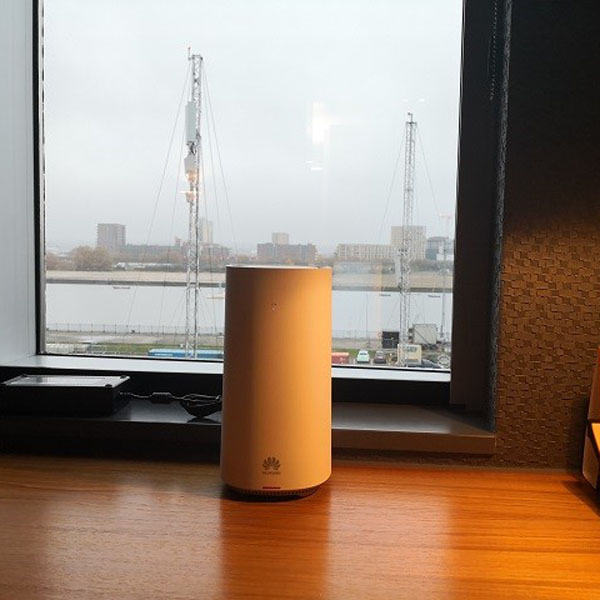
Compared to a current LTE router like Huawei B618 , the Huawei 5G WiFi router for use in the C-band between 3.5 and about 5 GHz is quite large and heavy, but the first 5G devices are safe to handle.

According to the manufacturer, the Huawei 5G router should be equipped with two RJ45 Gigabit LAN ports and WLAN 802.11ac (2.4 GHz and 5 GHz). The 5G C-Band Router is backward compatible with the 4G LTE standard and comes with a 2T4R antenna configuration, which means: data can be received on four antennas while sent via two antennas.


Huawei 5G router for mmWave feature

The Huawei 5G router for the millimeter-wave frequency range between 26 and 28 gigahertz is visually hardly distinguishable from the sister model for the C-band. But there is one important difference: millimeter waves can hardly or never enter buildings, so a line of sight to the 5G transmitter is required. This is done by an outdoor unit (ODU) integrated with the entire modem technology.

The indoor unit (IDU) features all the connections and the WLAN technology. The indoor and outdoor units are connected via LAN cable, the power supply of the outdoor unit is realized via Power over Ethernet (PoE).


High energy consumption from the Huawei 5G router

As can be seen on the data sheets shown above, both Huawei 5G devices have an enormous power consumption, at least under load. The C-band model consumes up to 120 watts, while the mmWave model even up to 146 watts. So when the 5G router working, the power consumption is more like a gaming notebook rather than a router. For comparison: common LTE routers such as the Huawei B715 LTE router consume up to 12 watts during heavy load, ie one-tenth of them.

However, Huawei emphasizes that only the first generation of the 5G modem will have such high energy consumption. It is also likely that commercially available 5G routers will have a newer chipset and thus lower power consumption.


Huawei and Three UK Release 5G Router for Home

It’s said that the 5G networks would be launched in many countries and areas, so as the next generation of 5G mobile phones. As an important application, 5G router would be also an important part for 5G connection and surfing. The UK provider Three released its first 5G home access point from the Chinese network equipment supplier Huawei. Three UK owns 100 megahertz of radio spectrum in the range around 3.7 GHz and expands its 5G net with this spectrum. Huawei can provide both the network technology and the appropriate terminals for 5G.


5G can be used for a variety of purposes, but fast Internet for the home is probably the first application that will be introduced over a large area. With the 100 MHz wide spectrum that Three UK has available for 5G, it is theoretically possible to achieve up to 2 gigabits per second – which is about twice as fast as the currently most powerful LTE connections. What is more interesting than the top speed is the average speed, which should be at 1 gigabit per second. Compared to LTE, that’s a big step forward. A 5G connector can not only easily replace a VDSL supervising connection, but even achieves speeds previously only possible with fiber optic connectors.


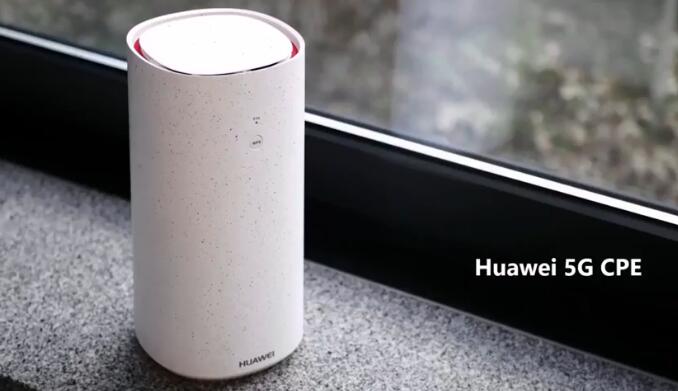
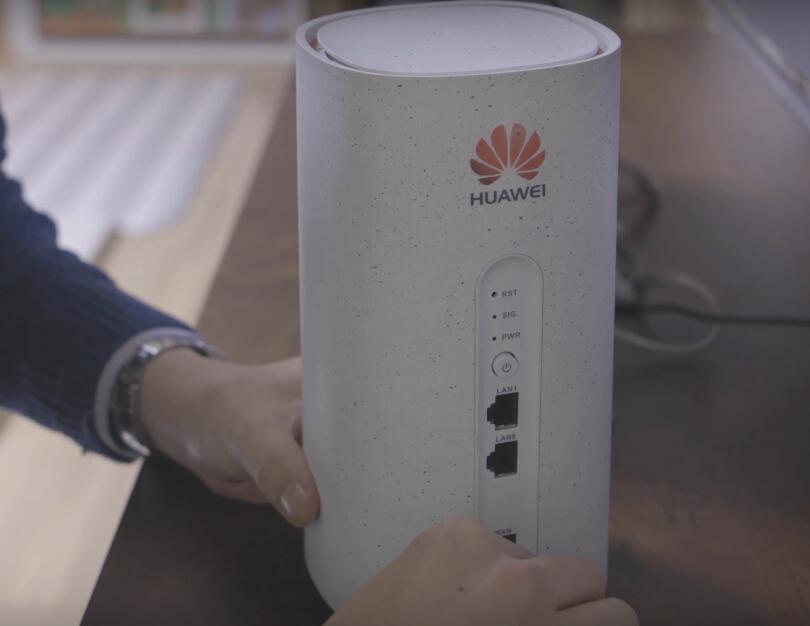
Although Huawei already presented the first 5G router in 2017, it is now being used in practical use for the first time. It is the 5G router model for the so-called C-band, ie the frequency range between 3.4 and 3.8 gigahertz. Externally, the router is inconspicuous therefore and does not differ from an ordinary 4G LTE router. The router would certainly not win a design prize, but the technology dominates.


The Huawei 5G C-Band Home Router can also use LTE in addition to 5G, as shown in the datasheet below. Wi-Fi is supported at 2.4 and 5 gigahertz. There are two Gigabit LAN ports on the back, plus some LEDs and a SIM card slot. Whether or not eSIM is supported, Huawei didn’t tell. The power consumption is up to 120 watts – 10 times as much as a normal LTE router!


Even the 5G available in near future, you cannot buy the Huawei 5G router, presumably, the 5G router will only be available via some specific providers in some countries. But we suppose there will be more and more 5G modem routers available as time goes.

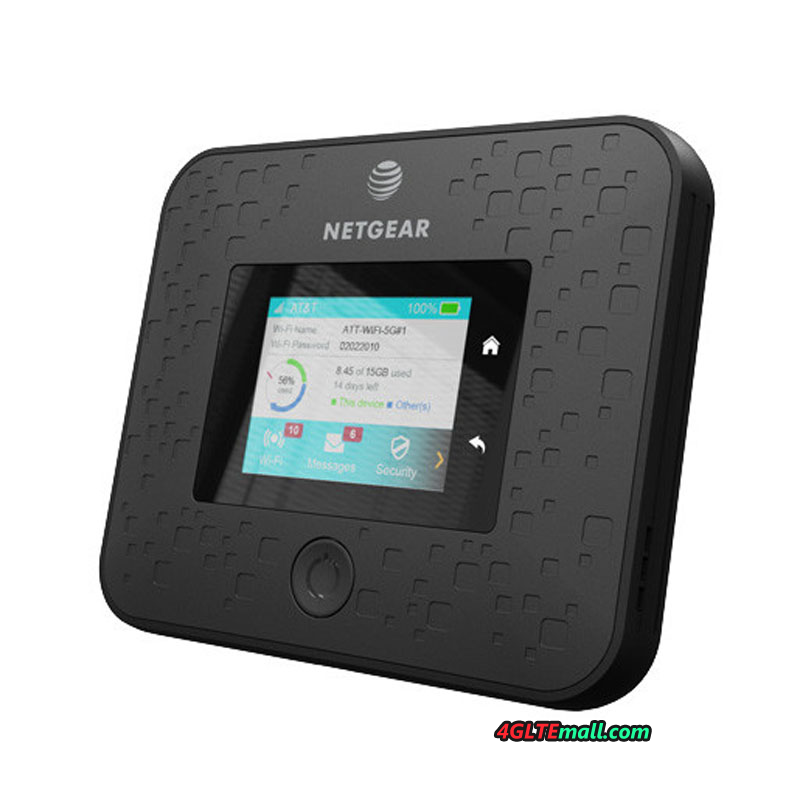
Netgear Nighthawk M5 – World’s First 5G Mobile Hotspot Released

Recently, the US mobile operator AT&T launched the first mobile 5G hotspot which comes from the Netgear. The 5G device is named Netgear Nighthawk M5 Fusion, which receives and transmits data via an integrated 5G modem and then forwards the Internet connection via LAN and WLAN to other devices. The new hotspot includes a Qualcomm X50 modem, the first consumer 5G modem. 5G is supported in the millimeter-wave range by 26 GHz, in this frequency range, the provider AT&T launches the 5G expansion in the US. Whether the range between 3.5 and 3.7 GHz is supported by the modem, which is used in many other regions of the world for the launch of 5G, is currently not known.

AT&T didn’t confirm other specs for the Nighthawk M5 Fusion (we got the name from an image title on AT&T’s press site), but we think it also has a Qualcomm X20 modem for gigabit-plus speeds on LTE.


The announcement by Netgear and AT&T was made in late October 2018 as part of a 5G test in Waco, Texas. The 5G network technology gets from Ericsson. AT&T plans to launch the 5G network in at least 12 US cities by the end of 2018, and by early 2019, 5G will be available in 19 US cities.


The Nighthawk M5 Fusion looks like Netgear existing Nighthawk M1, and the revealed product image of the new Netgear Nighthawk M5 5G hotspot shows the Nighthawk M5 in cuboid design and with a large display on the front. There are no other technical details yet, so it is unclear how long the battery life will be in 5G operation and what connections the device offers. Neither AT&T nor Netgear have provided information on the maximum speed.


The M5 Fusion model from the Nighthawk series will probably be among the world’s first commercially available 5G router and it’s also should be the first Netgear 5G Router & ATT 5G Router. It’s said it would be available in 2018 for the launch of the AT&T 5G network in the US. Details of the technical equipment were not released yet, but the Nighthawk M5 should be the successor of the Netgear Nighthawk M1. We will keep updating the news and detail specifications about Nighthawk M5.