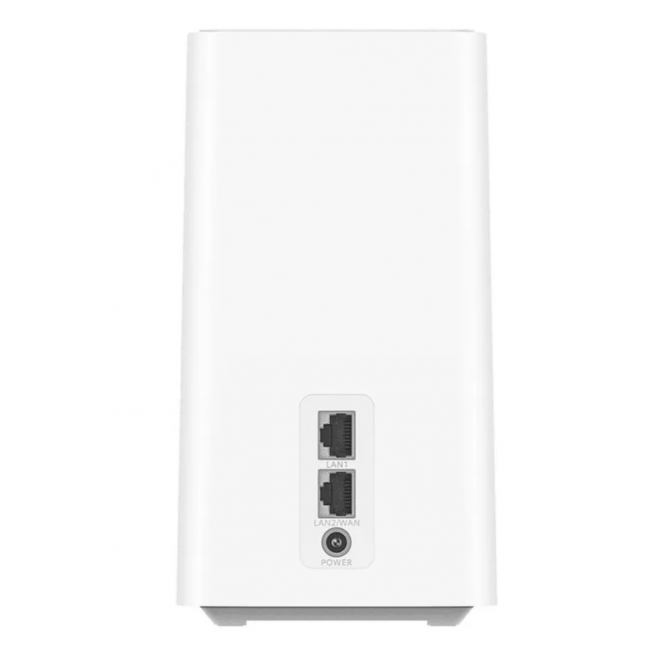
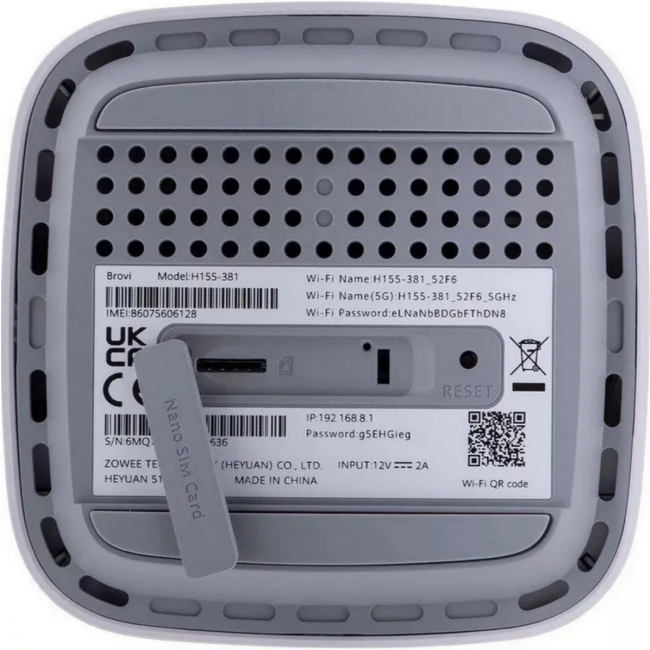
Huawei 5G CPE 5 H155-381 Review

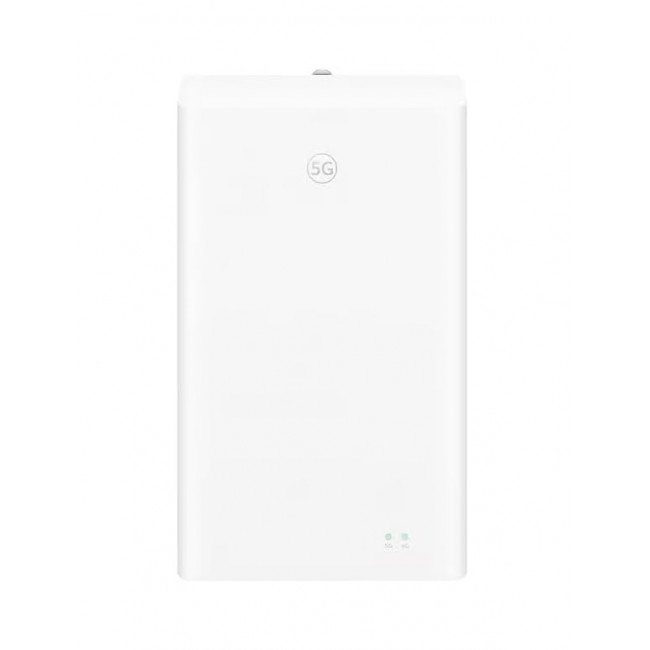
The Huawei 5G CPE 5 H155-381 is a cutting-edge consumer premise equipment (CPE) designed to provide high-speed internet access using 5G technology. As part of Huawei’s commitment to revolutionizing connectivity, this device delivers superior performance, high reliability, and advanced features tailored to meet the demands of modern households and small businesses.

Design and Build Quality

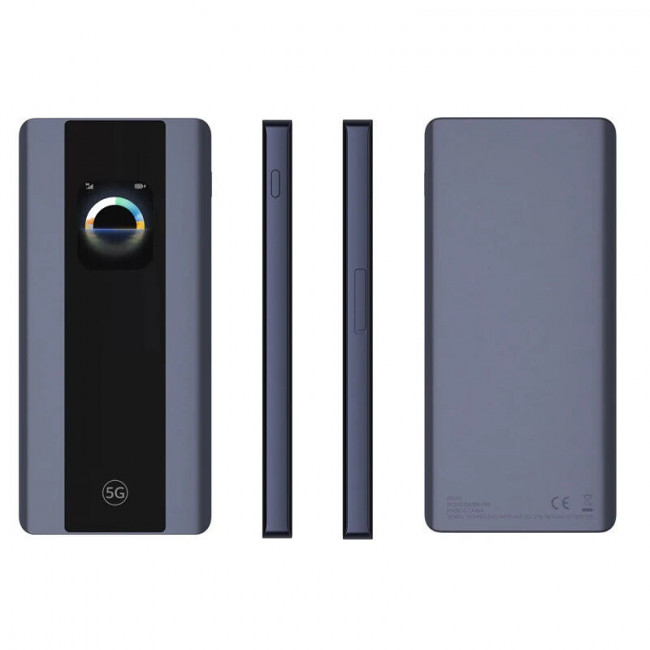
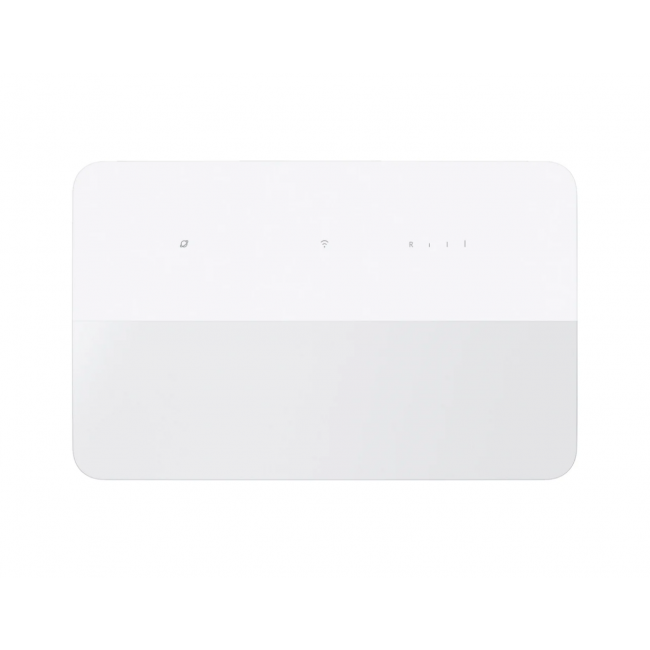
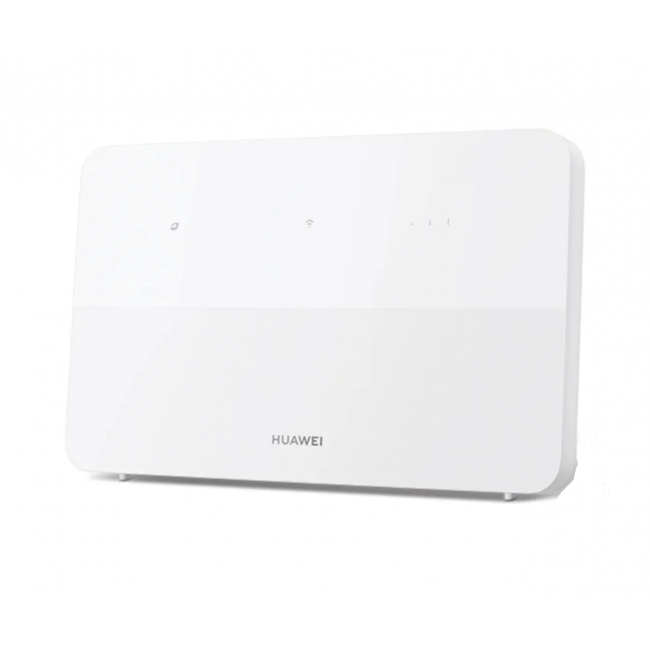
The Huawei 5G CPE 5 H155-381 boasts a sleek, compact design, making it ideal for home or office use. Its minimalistic white exterior blends seamlessly with any modern interior, while the compact form factor ensures that it doesn’t take up much space, allowing for flexible placement options. It also features an intuitive setup process, making it easy to get started without requiring technical expertise.

5G Connectivity

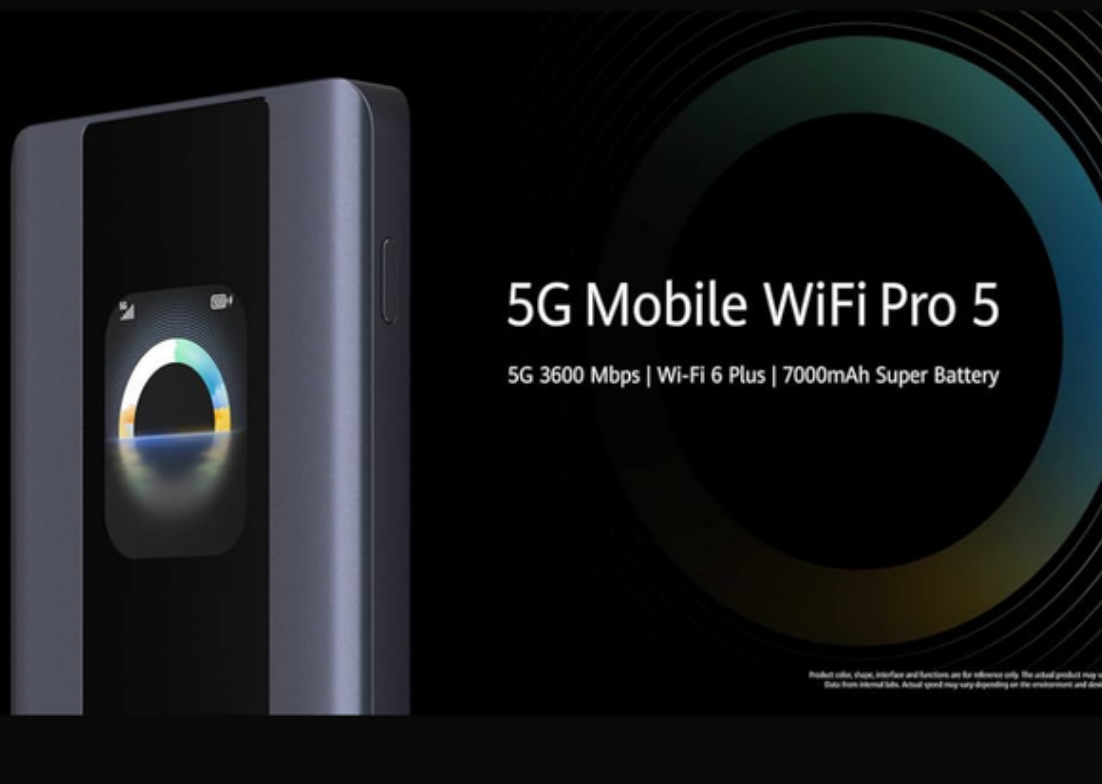
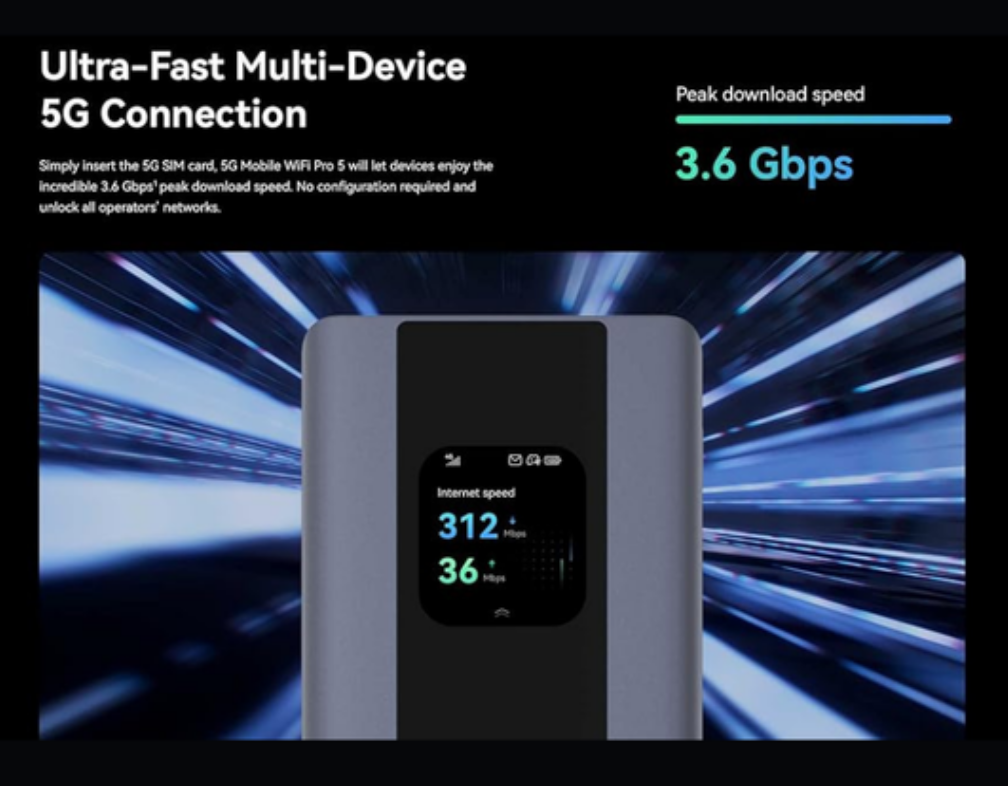
One of the standout features of the Huawei 5G CPE is its support for 5G networks. It is designed to take full advantage of the ultra-fast speeds and low latency offered by 5G technology. Users can experience download speeds of up to 3.6Gbps and upload speeds of up to 500Mbps, ensuring smooth streaming, gaming, and high-speed browsing, even with multiple devices connected simultaneously. The device supports both NSA (Non-Standalone) and SA (Standalone) modes, making it highly future-proof as 5G networks continue to evolve.

Wi-Fi and Coverage

In addition to 5G connectivity, the Huawei 5G CPE 5 H155-381 provides reliable Wi-Fi coverage, ensuring that users can connect multiple devices without compromising performance. It supports Wi-Fi 6 (802.11ax), which offers faster speeds, better coverage, and improved efficiency compared to older Wi-Fi standards. This allows for seamless video calls, online gaming, and more, all without interruptions or latency issues.

The 5G Indoor WiFi Router is equipped with multiple antennas that help extend coverage and improve signal strength, even in larger homes or offices. With advanced beamforming technology, the CPE ensures that the signal is directed toward connected devices, further optimizing network performance.

Security and Management

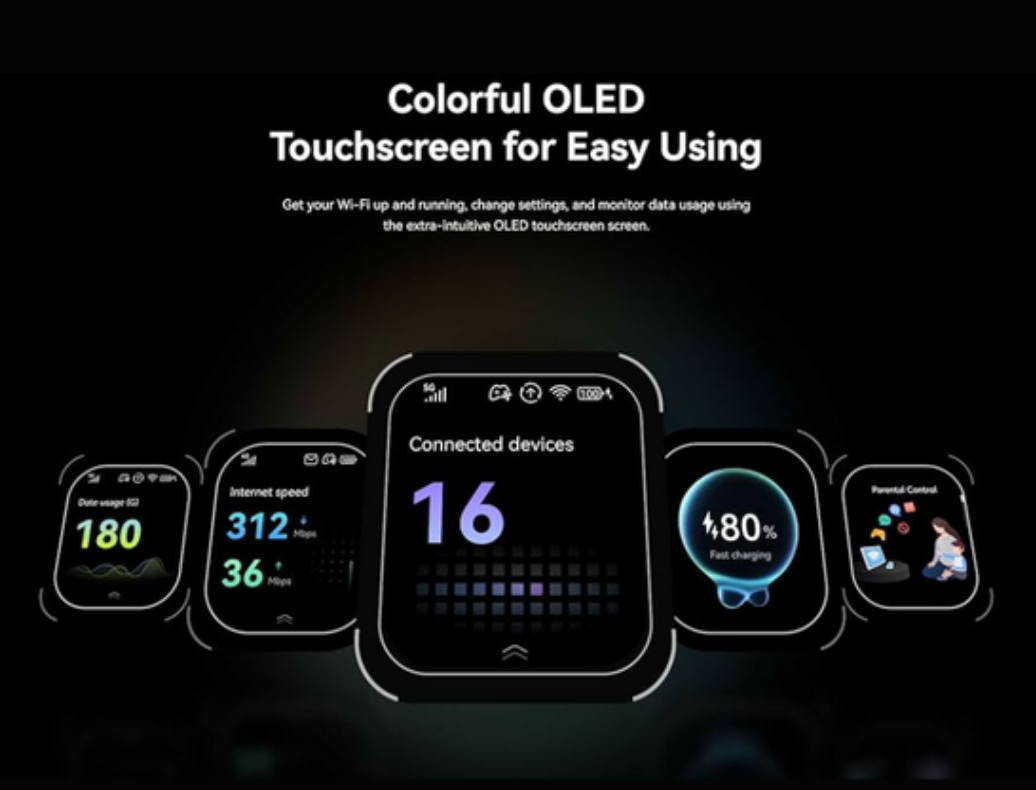
The Huawei 5G CPE 5 H155-381 comes with robust security features, including WPA3 encryption, to ensure that users’ data and connections are kept safe from potential threats. Additionally, the device offers comprehensive management options through the Huawei Smart Home app, allowing users to monitor and control their network remotely. The app allows easy customization of settings, including network configurations, device prioritization, and parental controls.

Conclusion

The Huawei 5G CPE 5 H155-381 is an exceptional choice for anyone looking to take full advantage of 5G technology at home or in a small office. With its lightning-fast speeds, advanced Wi-Fi capabilities, and secure connectivity, it provides a reliable solution for the growing demand for high-speed internet in the 5G era. Whether you’re working from home, streaming ultra-high-definition content, or gaming online, this device is designed to deliver an exceptional experience.

SIMCOM AI Module SIM9650L Successfully Runs DeepSeek R1 Model in Tests

The technological revolution driven by generative AI is reshaping the global industrial landscape. Recently, following the release of the domestic large model DeepSeek R1, which has rapidly sparked a new AI craze in China due to its openness and lower training costs, the transformation of AI terminal-side capabilities and industrial upgrades empowered by AI modules has become the focus of the industry. From quality inspection robots in smart factories to security drones patrolling communities, from companion robots in homes to voice interaction systems in smart cabins, the terminal-side deployment of AI capabilities is opening up a trillion-dollar market space.

In this wave of edge-side intelligence, communication modules, as the core link connecting the physical world to the digital world, play a crucial role in the intelligentization of AI terminals. SIMCOM has been deeply engaged in the IoT communication module field for 23 years, with solid technical foundations in the AIoT industry, continuously expanding the boundaries of edge-side AI.

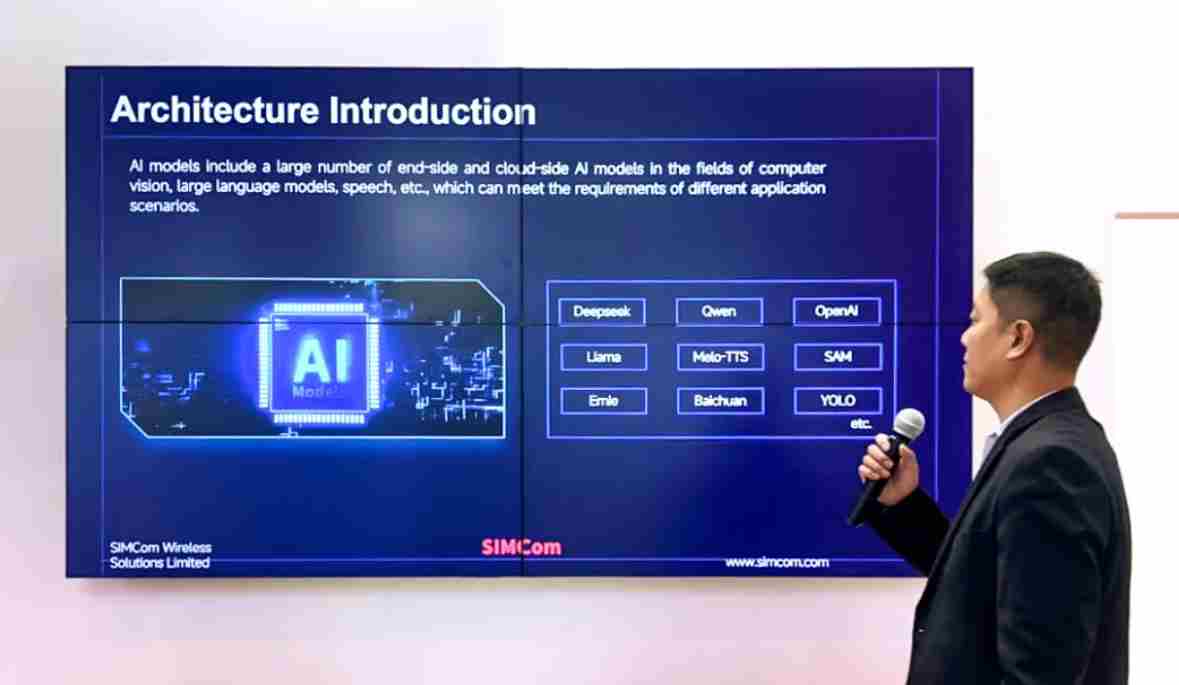
Currently, SIMCOM’s high-performance AI module SIM9650L has successfully run the DeepSeek R1 model in tests, efficiently assisting customers in building deep learning systems for their terminals.

Supporting the Flourishing Development of Edge AI

With the commercial rollout of 5G, the explosion of AI large models, and the rapid evolution and iteration of artificial intelligence technology, edge-side AI is flourishing, leading the transformation of smart applications across industries and reshaping the smart terminal application ecosystem. Compared to cloud AI, edge-side AI significantly reduces latency, achieving millisecond-level response times, while protecting user privacy and reducing data transmission risks.

Furthermore, edge-side AI equipped with high-performance AI modules can offload computational burdens from cloud servers, reducing dependency on centralized computational resources, thus lowering costs. With the continuous progress of algorithm technologies, including model quantization, pruning, distillation, and the development of hardware and software platforms specifically designed for edge-side deployment, the deployment of large AI models on edge devices has become more efficient and convenient.

As a globally recognized provider of IoT module products and solutions, SIMCOM has a rich product line across various fields such as 5G, 4G, AI, LPWA, GNSS, NTN, and V2X. Its AI module products cover multiple performance levels, with rich application interfaces, supporting multi-mode network connectivity and different regional frequency bands worldwide, including series such as SIM9650L, SIM8965, SIM8973, SIM8970, SIM8950LH, SIM8960, SIM8905, SIM8906, SIM8502, SIM8918, SIM6600, and more.

These AI module products offer different solutions tailored to customers’ requirements for computational power, energy consumption, size, and cost. They are capable of meeting the needs of various application scenarios and have already supported large-scale AI terminal applications in smart living, intelligent manufacturing, smart automotive, smart cities, smart agriculture, smart healthcare, smart parks, and low-altitude economies.

In today’s rapidly changing AI technology landscape, providing efficient and innovative solutions for the intelligent upgrade of AI terminals has become a key to industry development. Currently, SIMCOM is conducting research to integrate other large models like Doubao, actively exploring more deep applications. Behind the success of AI large models is the essential demand for value creation driven by industrial intelligence, and SIMCOM will leverage communication modules as leverage to bring edge-side AI to life through the deep integration of “modules + algorithms + scenarios.”
SIMCom’s New 5G Module A8200 Drives Digital Transformation Across Industries

With the rapid development of 5G technology and its commercial rollout, its development trend is showing multi-dimensional characteristics, including technological iteration, widespread application, policy incentives, increased investments, and vast prospects. In response to the market’s demand for high-performance, cost-effective, and domestically produced 5G modules, SIMCOM continuously enriches its 5G product line. The newly released A8200 5G module, based on the Aojie Technology 5G chip platform, assists various industries in accelerating their digital transformation.

SIMCOM A8200 is a high-performance, cost-effective 5G module, developed based on Aojie Technology’s ASR1901 5G chip platform, compliant with the 3GPP R16 standard, and using 12nm technology. It supports multiple communication modes, including 5G NR, LTE, and WCDMA, and is compatible with both 5G SA (Standalone) and NSA (Non-Standalone) modes.

The A8200 also supports key functions such as carrier aggregation, VoNR, and VoLTE, meeting the demands of various usage scenarios. It is particularly useful for terminal devices with voice requirements, providing high-quality voice call performance and delivering an outstanding communication experience for users.

Additionally, the A8200 features a variety of peripheral interfaces, making it widely applicable in scenarios like wireless video surveillance, telemedicine, smart power grids, and smart factories. This module significantly contributes to the digital transformation and intelligent upgrading of the IoT industry in the 5G era, providing strong support for deploying diversified 5G applications for terminal customers.

On the network communication front, the A8200 showcases powerful adaptability, automatically adjusting to both 5G NSA and SA dual-mode networks. In terms of speed performance, in Sub-6G SA mode, the A8200 achieves a download rate of 4Gbps and an upload rate of 1Gbps.

In terms of form factor, the module uses the mainstream LGA package, measuring 41x44x2.85mm. The product series supports different frequency bands for regions including China, Europe, and South America, allowing customers to flexibly choose according to their needs.

In the era of the digital economy, 5G has deeply integrated with various industries, driving the rapid evolution and development of new technologies, new economies, and new industries. The advantages of 5G, such as wide coverage, high speed, large bandwidth, and low latency, have become a crucial foundation for industry transformation.

As global 5G infrastructure continues to improve and applications deepen, SIMCOM’s 5G module series will become one of the key elements driving the high-quality development of the digital economy, helping industries explore more innovative applications and accelerating the realization of smart production, smart living, smart work, smart healthcare, smart transportation, and smart city development.
Quectel Edge Computing Module Runs DeepSeek Model

Recently, the domestic large model DeepSeek has gained global popularity due to its core advantages of “open-source, efficient inference, and edge-friendly” capabilities. Quectel Communication, based on its edge computing module SG885G, has successfully implemented the stable operation of the DeepSeek model and completed targeted fine-tuning.

Currently, the model is undergoing in-depth testing and optimization on multiple smart terminals. With its outstanding engineering capabilities, Quectel will accelerate the large-scale application and popularization of edge-side AI technology across various industries.

DeepSeek: A Pioneer in AI Model Innovation

DeepSeek’s global success stems from its breakthrough innovations in model architecture, distillation technology, and reinforcement learning.

The full version of the DeepSeek-V3 model adopts an innovative MoE (Mixture of Experts) architecture with 671 billion parameters, capable of processing 60 tokens per second. It excels in handling complex tasks like long document analysis and multimodal reasoning. Each layer includes 256 routing experts and 1 shared expert, with only 8 experts activated per token, significantly improving learning efficiency and flexibility, reducing training and inference costs, and accelerating token generation.

To address the shortcomings of small inference models’ Self-play learning, DeepSeek-R1 uses efficient distillation technology to transfer the inference capabilities of large models to smaller, more efficient versions. This breakthrough allows the smaller version to maintain excellent performance while significantly reducing model size and computational resource requirements, making it an ideal choice for edge-side deployment.

Additionally, the experimental DeepSeek-R1-Zero version demonstrated that large models can possess powerful inference abilities through reinforcement learning (RL) alone, without the need for supervised fine-tuning, opening up new possibilities for AI model training.

DeepSeek’s Smaller Version: An Ideal Choice for Edge Deployment

The DeepSeek-R1 version focuses on reinforcement learning technology, offering strong inference capabilities and excellent cost-performance. The series of small-size distilled models based on this version, with parameter ranges from 1.5B to 70B, provide developers with high-performance, low-cost large model deployment and development solutions, which will strongly drive the commercialization of edge-side AI.

The simplified small models inherit powerful AI capabilities from their large counterparts. Despite a reduction in parameters, the performance remains outstanding. With significantly reduced computational load, memory, and resource consumption, these models are particularly suitable for edge devices with limited resources. Additionally, inference speed is greatly improved to meet the real-time requirements of edge devices. Furthermore, the smaller models have a more compact form and stronger adaptability, making them easier to integrate and run on various industry terminals and edge computing devices. Despite model compression, distillation technology allows the small models to maintain high precision, ensuring task performance remains unaffected.

Quectel: Accelerating Edge AI Deployment with Leading Engineering Capabilities

While many manufacturers are still exploring how to support the DeepSeek model, Quectel has already made breakthroughs. Its edge computing module SG885G, based on Qualcomm’s QCS8550 platform, has successfully achieved the stable operation of the DeepSeek-R1 distilled small model. Test data shows that its token generation speed exceeds 40 tokens per second, and with continuous optimization, the speed will improve further, bringing more powerful AI capabilities to smart terminal devices.

Moreover, Quectel has closely collaborated with industry partners to conduct in-depth testing and optimization for applications in robotics, smart cabins, and smart industries, providing users with a smoother AI experience.

Quectel’s edge computing modules and solutions, equipped with the DeepSeek model, are not only applicable to consumer and industrial robotics but also have widespread applications in smart cabins, machine vision, personalized virtual assistants, tablets, elderly care, smart homes, AI toys, and wearable devices. These diverse scenarios benefit from powerful AI empowerment, such as more natural voice interactions, more accurate image recognition, and more personalized service experiences.

Furthermore, after successfully achieving the edge-side operation of the DeepSeek model, Quectel has also completed targeted fine-tuning of the model and applied it to its own large-model solutions, offering more precise and efficient edge-side AI services to clients. This achievement not only highlights Quectel’s technical strength in the field of edge-side AI but also reflects its leading engineering capabilities, which will strongly drive the rapid development and deployment of AIoT applications.

Looking towards the wide range of vertical industries that urgently require AI capabilities, Quectel will continue to invest resources to promote more high, mid, and entry-level edge computing modules, as well as smart cabins, 5G, LTE modules, and solutions, to fully integrate advanced models like DeepSeek and large cloud models. This will help IoT devices achieve intelligent upgrades and usher in a new era of interconnected devices.

Quectel Launches Three New Antennas at CES 2025

On January 9, during the 2025 International Consumer Electronics Show (CES), Quectel, a global leading provider of IoT solutions, announced the official launch of three new antenna products: the GNSS Active External Antenna YEGN103W8A, the 5G Terminal Mount Rubber Dipole External Antenna YECT004W1A, and the Passive L-Band, GNSS, and Iridium Antenna YFTA009E3AM. These additions further enrich Quectel’s module antenna product portfolio.

Quectel COO Zhang Dong said, “With the launch of these three new antennas, we are once again expanding our antenna product line, offering customers more diverse and tailored options. Meanwhile, we can also provide custom antenna solutions, adding more momentum to our customers’ product launches.”

YEGN103W8A

Quectel YEGN103W8A is an external active GNSS antenna introduced by Quectel, operating within the 1164-1300 MHz and 1525-1606 MHz frequency bands. It supports full-band RTK (Real-Time Kinematic) technology and European commercial satellite positioning services (L-Band), offering multi-band support for GPS, BDS, GLONASS, Galileo, and European commercial satellites. This makes it ideal for applications requiring high-precision positioning. The antenna meets various international certification standards, including CE, RoHS, and REACH.

The YEGN103W8A is equipped with an RG174 SMA male to TNC male connector and offers magnetic mounting options, with a bracket length of approximately 75 mm. The antenna’s diameter is 146.4 mm, depth is 71.43 mm, and it can operate within a temperature range of -40°C to +85°C, meeting IP67 high waterproof and dustproof standards.

YECT004W1A

Quectel YECT004W1A is an ultra-wideband 5G external dipole antenna, specifically designed for optimizing terminal installations, backward compatible with 4G/3G/2G/LPWA networks. The antenna measures 135 mm × 15.6 mm × 13 mm and covers a frequency range from 600 MHz to 6000 MHz, with diverse connector options, including Fakra, TNC, and SMA male connectors. Its compact design makes it ideal for applications that require hidden antennas. Additionally, this antenna can be directly mounted on terminal devices for easy installation, providing omnidirectional signal coverage for stable, efficient connections.

With excellent performance in gain and efficiency, the YECT004W1A is widely suitable for gateways, routers, smart meters, vending machines, industrial IoT, smart homes, and other fields. The antenna also features strong weather resistance, operating in a temperature range from -40°C to +85°C, complies with RoHS and REACH standards, and achieves IP67 waterproof and dustproof ratings once installed.

YFTA009E3AM

Quectel YFTA009E3AM is Quectel’s latest internally built Low Earth Orbit (LEO) satellite communication antenna, specifically designed for the Quectel CC200A-LB module. It provides full L-Band coverage, with a transmission frequency range of 1626.5–1660.5 MHz and 1668–1675 MHz, and a reception frequency range of 1518–1559 MHz. The antenna is also compatible with various global positioning systems, including GPS L1, Galileo E1, BDS B1C, QZSS L1, and the Iridium frequency band of 1616–1626.5 MHz, ensuring broad communication and positioning capabilities. This makes it ideal for areas with weak or no base station coverage.

The YFTA009E3AM measures 80 mm × 80 mm × 13.3 mm and weighs 56.1 grams, making it compact and lightweight. It offers two installation options: screws and clips, and is equipped with an IPEX MHF 1 connector to ensure stable and reliable connections. This antenna operates within a temperature range of -40°C to +85°C and meets RoHS and REACH standards. Moreover, it features excellent key performance indicators with a peak gain of up to 5.65 dBi. Additionally, the YFTA009E3AM supports custom connector types and cable lengths to meet diverse application needs.

In addition to a rich portfolio of antenna products, Quectel also provides comprehensive antenna design support services, including simulation, testing, and manufacturing of custom antenna solutions to meet specific application requirements. Quectel’s regional R&D centers can assist customers in simplifying terminal design processes; while testing and certification services can further shorten the time-to-market for products.

Quectel Launches New GNSS Positioning Module LS550G

On January 7, during CES 2025, Quectel, a global leading provider of IoT solutions, announced the launch of its ultra-compact multi-constellation GNSS positioning module, the LS550G.

This module not only achieves fast and precise positioning but also offers several advantages such as a compact size, ultra-low power consumption, high sensitivity, and excellent cost performance. It provides an ideal new solution for applications that demand higher power efficiency and compact design. Particularly for portable devices and wearable terminals that favor thin and light modules, the Quectel LS550G is undoubtedly the best choice to meet their stringent requirements.

Zhang Dong, COO of Quectel, stated, “The LS550G demonstrates Quectel’s firm commitment to GNSS technology innovation. With its ultra-compact form factor, multi-constellation support, advanced SIP design, low power consumption, and other technical features, the LS550G will offer the market an even better, more comprehensive, and cutting-edge GNSS solution.”

Multiple Assurances for Accurate Positioning

Quectel LS550G can receive signals from multiple satellite systems, including GPS, GLONASS, Galileo, BDS, QZSS, and SBAS. This significantly enhances satellite visibility, effectively reduces the initial positioning time, and improves positioning accuracy, especially in dense urban environments.

To further meet the positioning and orientation needs in weak signal and interference-prone environments and improve the reliability and stability of terminal devices, the LS550G integrates a high-performance LNA (low noise amplifier), TCXO (crystal oscillator and frequency divider), and RTC (real-time clock). This gives the module excellent sensitivity and anti-jamming performance, enabling accurate positioning and orientation functions in complex environments. Additionally, without an external LNA, the LS550G achieves a -165dBm tracking sensitivity and -147dBm capture sensitivity through its embedded multi-tone active interference eliminator, ensuring reduced vulnerability to external signal interference.

Perfect Adaptation in Performance and Power Consumption

In terms of packaging design, Quectel LS550G uses System in Package (SIP) technology, which minimizes the module’s size, achieving an ultra-compact form factor of just 5.0 mm × 5.0 mm × 1.05 mm. This design not only saves space but also reduces signal attenuation, minimizes interference, and enhances its shock, moisture, and corrosion resistance. The LS550G also boasts high integration, flexible component options, large development space, and high cost performance, along with rich external interfaces like UART, I2C, and SPI, further expanding its potential application scenarios.

Moreover, the LS550G excels in power consumption design. By combining enhanced prediction orbit chip (EPOC) technology with adaptive low-power (ALP) mode, it strikes a perfect balance between positioning accuracy and low power consumption. EPOC technology allows the LS550G to use ephemeris data stored in internal RAM, with a validity of up to 3 days, to automatically calculate and predict satellite orbits. This enables quick positioning and energy efficiency even under low signal conditions. In Tracking mode, the LS550G operates at an ultra-low power consumption of just 28mW at a voltage of 1.8V, and with the help of ALP technology, it can adaptively adjust on/off times based on the environment and motion conditions, achieving even lower power consumption.

The LS550G’s high performance, low power consumption, and compact size make it an ideal solution for a wide range of consumer and industrial applications, such as industrial PDAs, wearable devices, sports/asset trackers, and more.

To further address potential product compatibility issues customers may encounter during development, Quectel will also offer antenna products that are compatible with the module. The LS550G can be paired with Quectel’s dedicated active and passive antennas.

SIMCOM Releases New 5G Module A8200

With the continuous evolution of 5G technology and the rapid advancement of its commercial deployment, its development trends are showing multi-dimensional characteristics such as technological iteration and upgrade, large-scale application popularity, policy benefits, increased investment, and vast application prospects. In response to the market demand for high-performance, cost-effective, and domestically produced 5G modules, SIMCOM continues to enrich its 5G product line. The newly released A8200 5G module, developed based on the Aojie Technology 5G chip platform, will help industries accelerate their digital and intelligent transformation.

SIMCOM A8200 is a high-performance, cost-effective 5G module, developed based on Aojie Technology’s ASR1901 5G chip platform. It complies with the 3GPP R16 standard and is built with a 12nm process. It supports multiple communication modes, including 5G NR, LTE, and WCDMA, and is compatible with both 5G SA (Standalone) and NSA (Non-standalone) modes.

SIMCOM A8200 also supports key features such as carrier aggregation, VoNR, and VoLTE, meeting the needs of various usage scenarios. Particularly for terminal devices with voice requirements, it can provide high-quality voice call performance, offering users an excellent communication experience.

In addition, SIMCOM A8200 is equipped with a variety of peripheral interfaces. It is widely applicable to scenarios such as wireless video surveillance, remote healthcare, smart power grids, and smart factories, greatly driving the digital transformation and intelligent upgrading of the IoT industry in the 5G era, and providing strong support for the deployment of diversified 5G applications for end customers.

On the network communication front, the SIMCOM A8200 demonstrates strong adaptability, automatically adjusting to 5G NSA and SA dual-mode networks. In terms of speed, under the Sub-6G SA mode, the A8200 achieves a download speed of up to 4Gbps and an upload speed of up to 1Gbps.

In terms of appearance, the module uses a market-leading LGA package, with dimensions of 41x 44 x 2.85mm. The product series offers versions supporting different frequency bands for regions including China, Europe, and South America, allowing customers to choose flexibly based on their needs.

In the era of digital economy, 5G has deeply integrated with various industries, driving the rapid evolution and development of new technologies, new economies, and new innovations. The advantages of 5G, such as wide coverage, high speed, large bandwidth, and low latency, have become an important cornerstone for the transformation of various industries.

With the continuous improvement of global 5G infrastructure and the ongoing deepening of applications, SIMCOM’s 5G module series will become one of the key elements in driving high-quality digital economic development. It will assist industries in exploring more innovative applications and accelerate the realization of smart production, smart living, smart work, smart healthcare, smart transportation, and smart city development goals.
Quectel Launches Full-Feature ARM Motherboards QSM560DR and QSM668SR Series

Quectel, a global leader in IoT solutions, has officially launched two full-feature ARM motherboards – the QSM560DR and QSM668SR series.

As a core platform for smart device development and hardware design, these ARM motherboards offer exceptional integration, high performance, broad compatibility, and a rich set of functional interfaces, effectively meeting the industrial and consumer application demands for robotics, edge computing, wireless communication, and multimedia features. These products will accelerate the adoption of edge intelligent applications and open up new possibilities for their deployment.

QSM560DR Series: Powerful Performance to Drive Smart Edge Industry Development

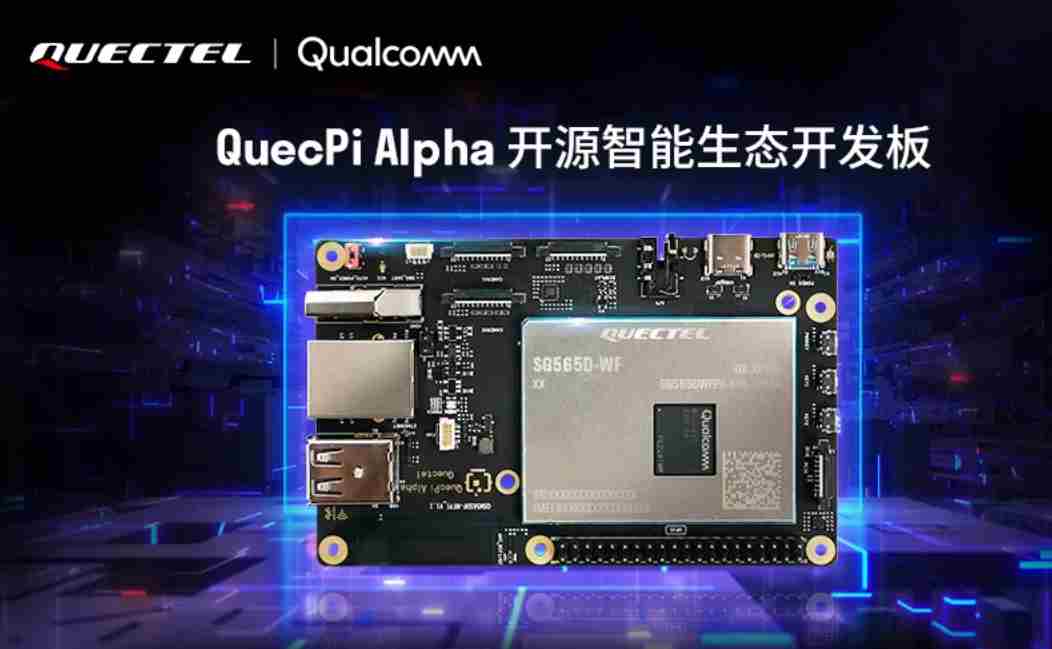
The Quectel QSM560DR series is a full-feature ARM motherboard developed by Quectel based on Qualcomm’s QCM6490/QCS6490 chip platform. It is equipped with a high-performance octa-core 64-bit processor, Adreno™ 643 high-performance graphics engine (GPU), and 12 TOPS NPU computing power. With robust edge computing capabilities and rich multimedia functionality, it supports operating systems such as Ubuntu, Android, and Linux, as well as multi-system integration. This provides developers with flexible development options.

High Performance of Quectel’s Full-Feature ARM Motherboard QSM560DR Series

In terms of wireless connectivity, the QSM560DR series meets the 3GPP R15 standard, supporting both 5G SA and NSA modes, while also being backward compatible with 4G and 3G networks. Additionally, it integrates Wi-Fi 6E & DBS, Wi-Fi 2×2 MU-MIMO, and Bluetooth 5.2 technologies to ensure stable, high-speed connections in all scenarios. To better meet the positioning needs of terminal devices, the series also integrates a multi-constellation GNSS receiver for fast and accurate location tracking.

The QSM560DR series is feature-rich and can significantly enhance device stability and ease of use. Moreover, to accommodate various application needs, the series integrates numerous functional interfaces, such as USB, Ethernet, RS232, RS485, CAN, and more. It also supports dual-screen display, digital Mic input, audio output, and multiple camera inputs, making it suitable for applications in robotics, smart retail, smart campuses, security monitoring, industrial intelligence, and other edge computing scenarios.

QSM668SR Series: Flexible and Efficient, Accelerating Multi-Scenario Smart Upgrades

The QSM668SR series is another cost-effective full-feature ARM motherboard developed by Quectel, based on Qualcomm’s QCM6125 platform. It features a high-performance octa-core 64-bit processor, integrated Adreno™ 610 GPU, and 1.3 TOPS NPU computing power. The QSM668SR series supports multiple operating systems, offers strong performance, and boasts rich multimedia capabilities, making it a powerful hardware solution for the development of intelligent applications.

High Performance of Quectel’s Full-Feature ARM Motherboard QSM668SR Series

The QSM668SR series also excels in wireless connectivity. It supports LTE Cat 4 networks and is backward compatible with 3G/2G networks, while also supporting Wi-Fi, Bluetooth, and other network protocols to ensure stable and flexible terminal connections. The series also integrates a multi-constellation GNSS receiver, providing fast and precise GNSS positioning functionality for related applications.

To expand the range of possible applications, the QSM668SR series includes a variety of functional interfaces, such as USB, Ethernet, RS232, RS485, CAN, and more, as well as audio and video interfaces. These features enable its widespread use in smart robots, IoT gateways, smart homes, industrial equipment terminals, smart signage, smart cash registers, security detection devices, in-vehicle devices, information collection equipment, vending machines, logistics lockers, and more.

With the rapid development of 5G, edge computing, and other technologies, ARM motherboards with computing power are expected to play a key role in accelerating the deployment of intelligent applications, fostering technological innovation, and promoting industrial upgrades. The release of the QSM560DR and QSM668SR series full-feature ARM motherboards by Quectel demonstrates the company’s strong expertise and innovative capabilities in the field of edge intelligence, while providing developers and customers with more flexible, efficient, and reliable solutions for their products.

Fibocom Launches 5G RedCap MiFi Solution

In November 2024, Fibocom launched a full range of commercial 5G RedCap FWA solutions, covering MiFi, CPE, Dongle, and more, helping global operators and end customers quickly commercialize RedCap.

By reducing transmission bandwidth, trimming the number of transmit and receive antennas, and lowering the maximum modulation order for uplink and downlink, RedCap terminals are less complex compared to eMBB terminals, making them the best choice for mid- and high-speed IoT applications. With continuous product and technology iterations and improvements in RedCap network infrastructure, 5G RedCap modules will continue to achieve a balanced point between performance, cost, and power consumption, enabling terminals to quickly seize the 5G commercial opportunities.

The 5G SA network is the foundational condition for RedCap network construction. Currently, operators around the world are steadily deploying SA networks. According to the latest data from GSA, as of September 2024, 63 out of 343 global operators’ 5G commercial networks have already implemented SA standalone networks.

According to China Mobile’s “5G Lightweight Technology (RedCap) Industry Solution White Paper,” as of the third quarter of 2024, China Mobile has activated over 430,000 5G RedCap base stations, achieving continuous coverage of all county-level areas and above nationwide with n28 (700 MHz) RedCap. It has also launched n41/n79 (2.6 GHz/4.9 GHz) RedCap features as needed. Furthermore, in terms of network performance in continuous coverage areas, RedCap 1T2R terminals on the n28 (700 MHz) network can achieve an uplink average speed of 86 Mbps and a downlink average speed of 105 Mbps. In terms of mobility, RedCap terminals in existing network coverage areas can achieve 5G system interoperability with a latency of 30 ms, and 5G-to-4G system interoperability with a latency of 70 ms.

As seen above, RedCap can meet the requirements of mobile broadband applications like MiFi in terms of mid-to-high speed, continuous network coverage, and smooth 4G/5G handovers, which will accelerate the large-scale adoption of RedCap in MiFi applications.

Fibocom aims at typical FWA application scenarios and provides Fibocom RedCap modules and solutions that offer better cost efficiency than 5G eMBB and lower power consumption than LTE Cat. 4. The RedCap MiFi solution launched this time is equipped with Fibocom FG131 or FG132 series RedCap modules, which can be flexibly paired with various Qualcomm platform Wi-Fi chips, offering Wi-Fi 6E capabilities with up to 3600 Mbps, Wi-Fi 6 with 1800 Mbps, and Wi-Fi 5 with 867 Mbps.

Fibocom’s RedCap modules FG131 & FG132 are based on the Qualcomm Snapdragon X35 5G modem and RF system, supporting peak download speeds of up to 223 Mbps and peak upload speeds of up to 123 Mbps. In the absence of 5G SA network coverage, and when falling back to 4G, the FG131 and FG132 series still support 256QAM downlink with a maximum speed of 195 Mbps, a 33% improvement over LTE Cat. 4. The uplink supports 64QAM, with a maximum speed of 75 Mbps, a 50% improvement over LTE Cat. 4.

In addition to superior cellular capabilities compared to standard RedCap, the Fibocom FG132 & FG131 series also feature two major advantages: they support OpenWRT based on the Linux kernel, with powerful network components that allow customers to flexibly install network function software packages, making them particularly suitable for MiFi, CPE, and other FWA terminal development. Additionally, the FG131 and FG132 series integrate a 1.25 Gbps SGMII interface, allowing efficient expansion to RJ45 wired network ports, making them suitable for MiFi, CPE, and other FWA terminals that require network ports.
Thanks to these multiple advantages, Fibocom’s RedCap modules FG131 & FG132 series offer excellent RedCap capabilities, especially suitable for MiFi, CPE, and other FWA terminals, helping customers make the most of RedCap more quickly.

Fibocom Launches Next-Generation SC636 Series Smart Module

Recently, Fibocom launched the next-generation LTE smart module SC636 series, based on the UNIS UIS7861 platform. The series covers regions such as EAU, CN, and LA, with versions supporting only Wi-Fi and Bluetooth communication. These products meet the long lifecycle requirements of scenarios like smart payment, power monitoring, and industrial handheld devices, offering high-value smart module solutions with strong wireless communication, multimedia processing, and scalability.

High Performance and Stability with a Powerful Core


The SC636 series smart module is built on the UNIS UIS7861 platform, integrating a dual-core ARM Cortex-A75 processor and a six-core ARM Cortex-A55 processor with a clock speed of up to 1.6 GHz. It also includes the Arm Mali™-G57 GPU, further enhancing its image processing capabilities. Thanks to its exceptional chip performance, the SC636 series supports multi-tasking and complex calculations, easily meeting the high-performance demands of payment and industrial handheld terminals.

Support for Diverse Network Standards and Positioning Capabilities


As a 4G smart module supporting multiple network standards, the SC636 series supports LTE Cat.4 networks, covering the mainstream frequency bands of global operators, with a maximum downlink speed of 150 Mbps. It offers extensive network coverage and data transmission capabilities, ensuring that payment and industrial devices can maintain stable connections across various network environments. Additionally, the SC636 series supports dual-band Wi-Fi (2.4 GHz and 5 GHz) and Bluetooth 5.0 short-range communication, providing flexible connectivity options to enhance user experience. The module also integrates a multi-constellation GNSS receiver, supporting GPS, BeiDou, GLONASS, and Galileo positioning systems to ensure fast and accurate location tracking in different environments.

Multimedia Functionality for Expanding Use Cases


To support comprehensive upgrades in multimedia performance for smart terminals, the SC636 series supports a maximum main screen resolution of 25201080 @60fps, with single-camera and dual-camera configurations, as well as the ability to operate up to three cameras simultaneously, delivering a high-definition image and video experience. Furthermore, the SC636 series uses a 40.5mm x 40.5mm LCC+LGA package, integrating a wide range of peripheral interfaces such as MIPI, USB, UART, SPI, and I2C, allowing for the connection of touchscreens and supporting dual-camera functionality. This greatly aids customers in expanding external devices and application scenarios.

The Fibocom SC636 series is equipped with the open Android 12 operating system, with future upgrades planned to support Android 14/16, ensuring long lifecycle, high reliability, and continuous upgrades for stable operations.

Multi-Regional Versions to Drive Smart Industry Upgrades


To meet the customized needs of customers in different regions, the SC636 series offers region-specific versions such as SC636-EAU, SC636-CN, and SC636-LA for Europe, China, and Latin America, respectively. It also provides the SC636-W version, which supports only Wi-Fi and Bluetooth, without cellular connectivity. These solutions provide high performance, low power consumption, and reliable security for smart payment, industrial, and other devices, driving further industry upgrades.

As the number of connected smart devices continues to grow, scenarios like smart retail and smart industry are placing new demands on flexibility, reliability, and long lifecycle for intelligent solutions. Fibocom will continue to provide one-stop AIoT solutions for the smart industry, offering global customers safer, more convenient, and more efficient smart experiences.