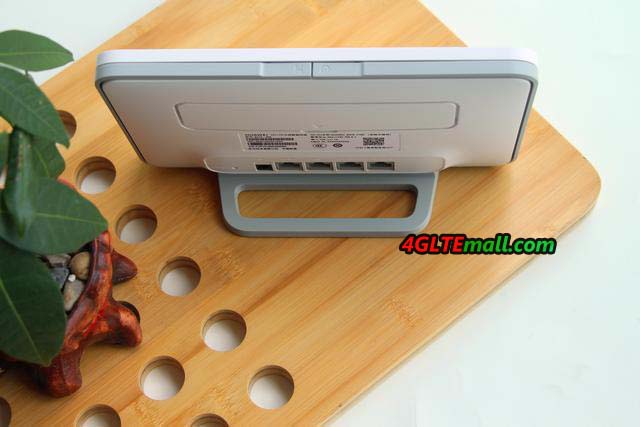
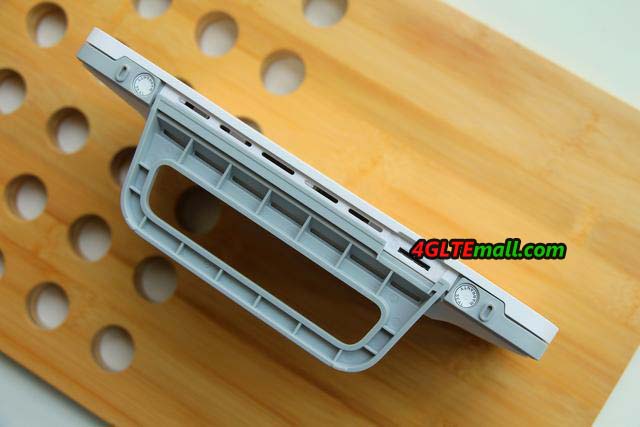
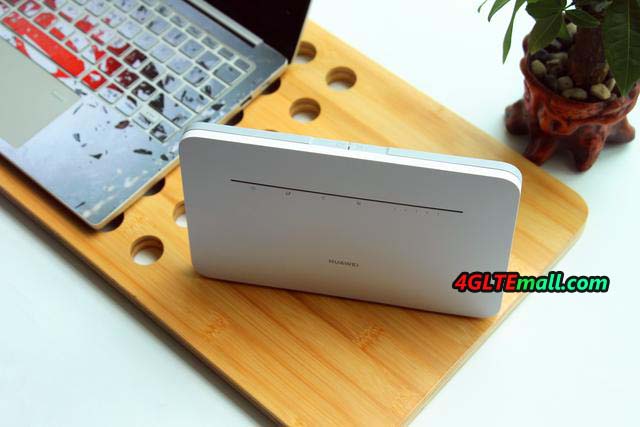
Huawei Launches Wi-Fi AX3 Router With Gigahome Quad-Core and Wi-Fi 6+

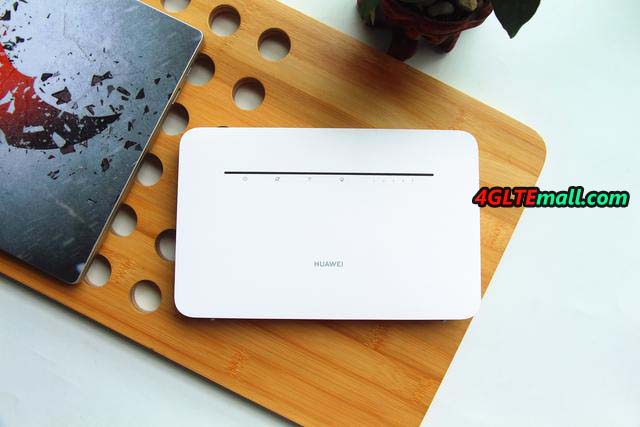
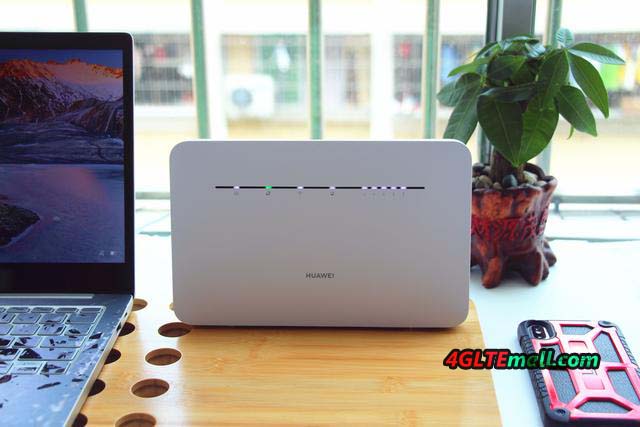
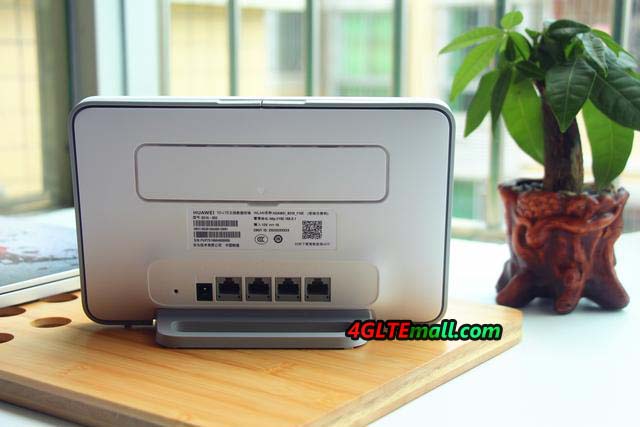
A couple of days ago, Huawei unveils its WiFi AX3 series WiFi Router, which includes The new WiFi AX3 series includes two variant models: Huawei WiFi AX3 (Dual-core) and WiFi AX3 (Quad-core). The AX3 series router supports Wi-Fi 6 and demonstrates Huawei’s cutting edge technology and 5G – with a prominent role in the development of Wi-Fi 6 standards. With its technology, Huawei has facilitated seamless collaboration between routers and other chip-level devices. It delivers powerful Wi-Fi 6+ connectivity when used with Huawei devices.

Huawei WiFi AX3 (Duad-core)

As the connecting hub for Huawei’s revolutionary 1 + 8 + N all-scenario smart life strategy, the HUAWEI WiFi AX3 runs on the Huawei Harmony operating system, and features financial-level HUAWEI HomeSec TM security safeguards, providing users with an intuitive, lightning- fast, stable, and secure Wi-Fi 6 connection at all times.

Huawei WiFi AX3 (Duad-core)

HUAWEI Wi-Fi 6+: Breaking down barriers with dynamic narrow bandwidth

HUAWEI WiFi AX3 series routers come equipped with Huawei’s exclusive Gigahome processor and Gigahome Wi-Fi 6 chipset. With the Wi-Fi 6 standards as the basis, Huawei has incorporated multi-chip collaborative technology, so as to ensure that the HUAWEI WiFi AX3 offers “Wi-Fi 6+” at a doubled network speed, alongside enhanced wall penetration capabilities, when used with other Huawei Wi-Fi 6 devices.

Huawei WiFi AX3 (Duad-core)

The Gigahome Wi-Fi 6 chipset made this solution possible, by improving the frequency bandwidth up to 160 MHz, as well as realizing on-demand automatic packet fragmentation in narrow-band mode via dynamic narrow-band technology. This has the effect of stabilizing the working brand frequency bandwidth at 2 MHz, for a wall-penetrating network signal that does not stall. Or simply put, users can enjoy faster network near the device, and more stable connections from further distances away.

Huawei WiFi AX3 (Duad-core)

The quad-core version of the HUAWEI WiFi AX3 series also provides support for Huawei Share. Simply by tapping an unlocked Android phone with NFC enabled against the router’s NFC detection area, users can connect directly to the Wi-Fi network without having to enter a password. This feature is particularly handy for catering to house guests, or hotel and restaurant patrons, saving them the time, hassle, and awkwardness associated with asking for and entering a complicated password.

In addition to the exclusive dynamic narrow-band technology, the quad-core version packs four independent signal amplifiers (two for the dual-core version), enabling Mesh networking for multiple Huawei routers, and supporting wireless, wired, and hybrid wireless + wired networking modes that expand network access to every nook and cranny in a household or business.

Huawei WiFi AX3 (Duad-core)

The HUAWEI WiFi AX3 Pro is the first home router to run on Huawei’s proprietary Harmony operating system. Taking the factors that slow down wireless network speed into account, it optimizes the routing system from the app layer, driver layer, and kernel layer, and establishes a two-year aging test model to ensure its long-term stability.

The HUAWEI WiFi AX3 quad-core version also incorporates HUAWEI HomeSec TM security protections. An independent security zone (TEE-trusted execution environment) has been built into the Gigahome quad-core chip, and the TrustZone security solution has been constructed from the microkernel for Harmony OS. This solution has obtained the Evaluation Assurance Level-5 (EAL5) certification from Common Criteria, a globally recognized IT product certification organization, further attesting to the product’s financial-level security safeguards.

Huawei’s commitment to eliminating network lag in the Wi-Fi 6 era

Because of its deep understanding of 5G technologies, Huawei has become a major contributor to the Wi-Fi 6 standard. Huawei experts have chaired five Wi-Fi standard working groups, for example, Dr. Osama Aboul-Magd, is the chairman of the Wi-Fi 6 (802.11ax) standard working group. Additionally, Huawei has submitted 240 new Wi-Fi 6 (802.11ax) proposals, accounting for 15% of all proposals, which is more than any other device manufacturer. Huawei has also introduced many advanced 5G technologies into Wi-Fi 6.

Thanks to its long-term investment in Wi-Fi 6, Huawei not only offers products that support the Wi-Fi 6 standards, but also integrates unique chip collaboration technologies using its self-developed Gigahome Wi-Fi chips. This enables a range of Huawei Wi-Fi 6 devices to deliver an optimal user experience.

Huawei WiFi AX3 (Duad-core)

As well as being a leader in Wi-Fi 6 technology, Huawei is proposing a mid- to long-term strategy for building a seamless smart life for consumers in the next 5 to 10 years, based on the “1 + 8 + N” strategy which focuses on five major scenarios. In this strategy, Wi-Fi routers play a crucial role as connection centers, providing a simple, high-speed, stable, and secure Wi-Fi connection vital for enjoying a high-quality smart life, which is Huawei’s long-term objective.

Huawei has invested tens of millions of dollars in developing dedicated chips for routers. Through the combination of software and hardware at the bottom layer of chips, Huawei has eliminated more than 80% of problems related to frame freezing, delays, and disconnections. In addition to the AX3 series, Huawei will continue to use the Gigahome chipsets on later products. Huawei has also built a Wi-Fi capability center in Wuhan which houses the most rigorous testing environment in the global router industry, meaning that Huawei products can be tested rigorously before becoming available to consumers.

Huawei WiFi AX3 Price and availability

Huawei WiFi AX3 will be available in the market at the end of July. However, Huawei didn’t leak about the price of the Huawei AX3 WiFi router. We will keep updating.


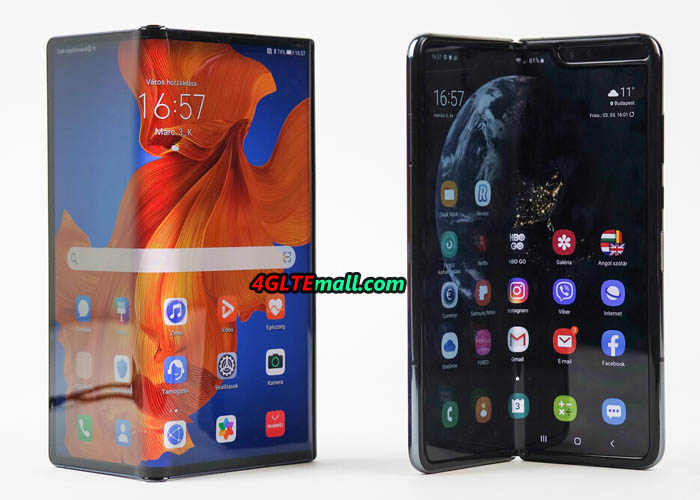
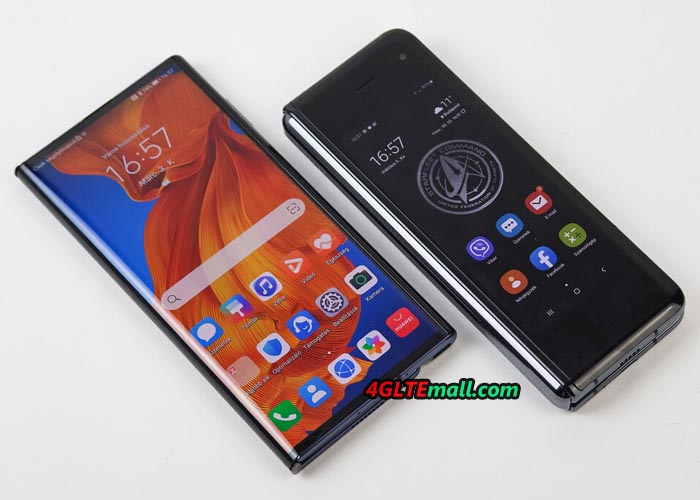
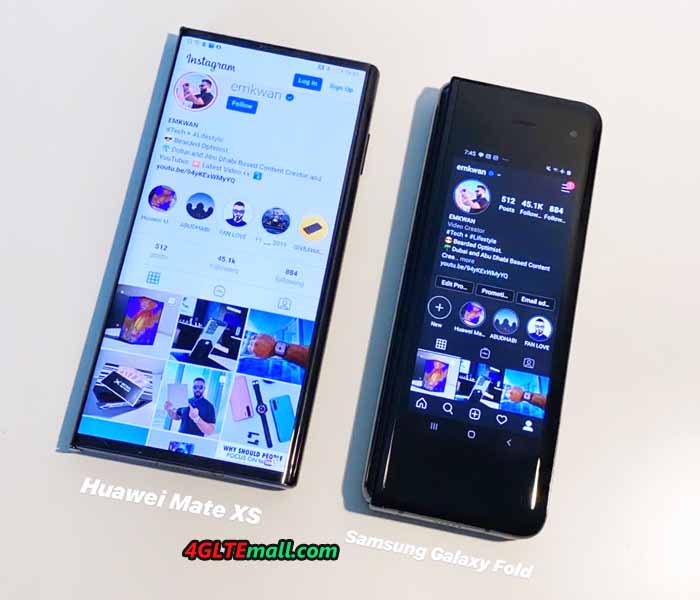
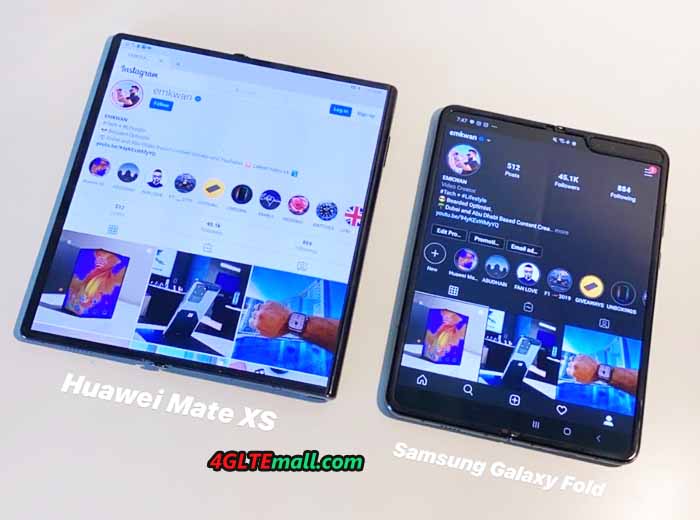
Huawei Launches New Foldable Phone – Huawei Mate Xs

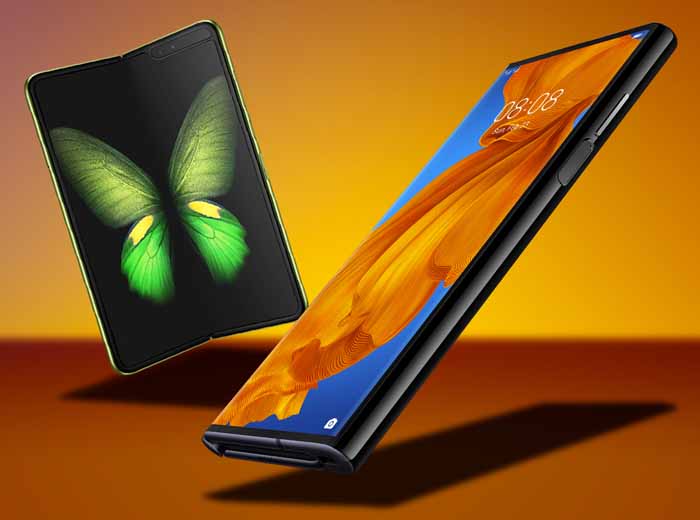
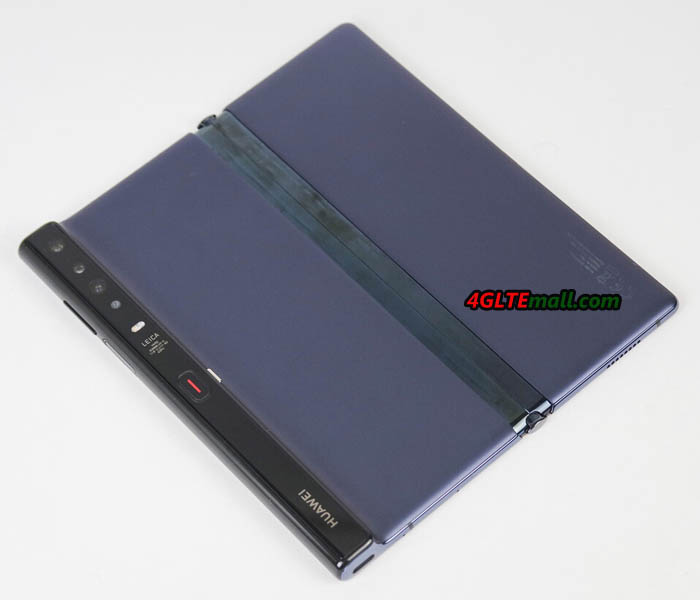
Huawei is now launching the sequel to its foldable mobile phone Huawei Mate X. The new mobile, Huawei Mate Xs, takes Huawei’s foldable technology a step further. Huawei Mate Xs are packed with Huawei’s latest technology, powerful camera, advanced processor, superb display and an enhanced Falcon Wing Design. Mobile delivers a powerful performance and a seamless user experience in both mobile and tablet mode.

“Huawei Mate X was our first trip into the folding category and set the standard for the industry. Our new Huawei Mate Xs raise the bar further and deliver even more powerful performance and a stronger user experience. It is also the fastest 5G mobile phone in the class”, says Richard Yu, CEO of Huawei Consumer Business Group.

Huawei Mate Xs delivers a true Fullwiew experience that in an upright position becomes an 8 inch screen. The large screen is made possible with a mechanical hinge design called the Falcon-Wing. Huawei’s Falcon-Wing technology contains more than 100 different parts that work to make the transition between the two screen modes as seamless as possible. The hinge itself is improved and made of a zirconium-based metal that makes it much stronger and more durable.

Huawei Mate Xs screen is made of the extremely resistant material polyimide

Huawei Mate Xs’s collapsible screen is made of the extremely resistant material polyimide, in this case polyimide adapted for the space industry, where two layers are glued together with an optically clear glue. The unique solution makes image quality, color saturation and brightness excellent at the same time as the screen has high durability. In folded up mode, the screen is 8 inches and in folded mode, the Huawei Mate Xs is a powerful dual-screen mobile with 6.6 inches main screen and a 6.38 inch second screen.

Huawei’s most powerful and advanced system set

The power of Huawei Mate Xs comes from Huawei’s most powerful and advanced system set – the Kirin 990 (5G). The first system chip that has a dual-core NPU built on the Da Vinci architecture. The large core achieves excellent performance and energy efficiency in handling and in scenarios that require large amounts of data. At the same time, the smaller core implements extremely low energy consumption. In terms of the CPU, Kirin 990 (5G) has a total of eight cores – two super-sized cores, two large cores and four smaller and low-power cores – with a clock frequency of up to 2.86 GHz. Kirin 990 (5G) uses a 16-core Mali-G76 GPU and smart cache that allows the different caches to be used by different processors as needed, effectively saving bandwidth and reducing energy consumption. Kirin 990 (5G) is the first full-frequency 5G system chip that supports both standalone(SA) and non-standalone(NSA) architectures and TDD / FDD full-frequency bands. This allows the chip to handle a wide variety of networks and network modes. Based on the capabilities of Huawei’s 5G multimode chipset, Balong 5000, Kirin achieves 990 (5G), at peaks, download speeds of 2.3 Gbit/s and upload speeds of 1.25 Gbit / s, a hitherto unmatched performance.

Powerful camera and revolutionary selfie feature

Huawei Mate Xs are equipped with a SuperSensing triple camera, which consists of a 40 megapixel SuperSensing camera, a 16 megapixel ultra-wide angle camera, an 8 megapixel telephoto camera and a 3D Depth Sensing camera. The camera system supports a combination of OIS and AI image stabilization for super-steady photography and up to 30 times hybrid zoom. The system also supports ISO 204800 which allows high quality images to be taken in very dark environments. Huawei Mate Xs also revolutionize the selfie category as the user can use the entire camera system to take selfies.

Huawei Mate Xs are launched with Huawei AppGallery

Huawei Mate Xs is one of the first models to be launched with an upgraded Huawei AppGallery, Huawei’s own app platform. Huawei’s AppGallery has been with Huawei’s mobile phones for a long time and currently has around 570 million users globally. The investment in Europe was already started several years ago but accelerated in July last year. The range of apps is constantly evolving and currently Huawei has over 3000 developers who work only on coding apps for publication in AppGallery.

Huawei Mate Xs Price and availability

Huawei Mate Xs will be available in the market later this year. Globally recommended price is EUR 2499. Locally recommended retail price may vary when available to buy.

Huawei Released a New 5G Router – 5G CPE Pro 2

A couple of days ago, Huawei launched Huawei 5G CPE Pro 2 – the next generation of smart router in the 5G Series Huawei CPE Pro. The new router supports a variety of 5G frequency bands, which is more than any other similar 5G router on the market. The router offers innovative 5G Super Uplink technology and Wi-Fi 6 standard and has been designed with a compact design that is 30 percent smaller than its predecessors Huawei 5G CPE Pro. The unit’s features are a breakthrough for the market and are expected to have further impact on, for example, mobile broadband, HD live broadcasting, video conferencing and telemedicine.

Huawei 5G CPE Pro 2 Specifications

The HUAWEI 5G CPE Pro 2 carries the cutting-edge 7 nm Balong 5000 chipset that comes with dramatically enhanced capabilities, and offers support for both 5G NSA and 5G SA networking. The Balong 5000 is the first chipset in its series to support 200 MHz bandwidth and carrier aggregation technology, doubling theoretical 5G peak download speed over that on the first-gen CPE Pro, to a staggering 3.6 Gbps.

In addition to inheriting the four 5G TDD frequency bands (n41 / n77 / n78 / n79) which are already supported by the first-gen CPE Pro, the Huawei CPE Pro 2 has added support for seven more 5G FDD frequency bands (n1 / n3 / N5 / N7 / N28 / N38 / N40). This expanded range transcends the capabilities of other 5G devices, fully meeting the needs of global operators.

Up to this point, 5G coverage has been hampered by an inherent flaw. Although the TDD bands provide for fast connections, their coverage area is rather small. Conversely, FDD bands feature broad coverage, but low bandwidth and thus limited speeds. As a remedy, Huawei has developed its “5G Super Uplink” technology. 5G Super Uplink fully leverages the advantages of TDD and FDD, which are complementary to each other in high and low frequencies, as well as time and frequency domains, boosting uplink speed and coverage to new and unforeseen heights. Therefore, services that are highly dependent on uplink performance, such as HD live broadcasting, telemedicine, and video conferencing, are expected to receive a shot in the arm with the widespread rollout of 5G Super Uplink technology.

Huawei 5G CPE Pro 2 – Supporting WiFi-6+ technology

The HUAWEI 5G CPE is fully compliant with the latest Wi-Fi 6 standard, which is tailored to facilitate optimal 5G high coverage. The HUAWEI 5G CPE Pro 2 is capable of connecting with up to 128 devices, and supports MU-MIMO technology and concurrent transmission with multiple devices, as well as exclusive dynamic narrow bandwidth technology that can bolster a Wi-Fi 6-supported Huawei mobile phone with scorching data speeds and broadened Wi-Fi coverage.


The HUAWEI 5G CPE Pro 2, which is one third smaller than its predecessor, adopts new silent cooling fans that are capable of dynamically adjusting their operating speed to account for the current temperature. Running at just 30 dB, 10 dB lower than the normal ambient noise level, fans are far quieter as well, while improving cooling efficiency by 50 per cent and reducing the router’s surface temperature by 5 ° C. Reinforced by an effortlessly efficient heat dissipation system, the HUAWEI 5G CPE Pro 2 is equipped to handle the high loads associated with continuous 5G operation.

Huawei 5G CPE Pro 2 Price and availability

Huawei 5G CPE Pro 2 will be available on the market later this spring. Regarding the retail price of Huawei 5G CPE Pro 2, Huawei didn’t announce in the debut. We will update the price once it’s available to buy.


Huawei Launches a Series of New 5G products

Huawei Consumer Business Group today launches several new 5G products during its virtual launch from Barcelona. In addition to product news, a new strategy is also presented that shows the company’s full ecosystem capability. Key products presented during the launch are the foldable mobile phone Huawei Mate Xs with updated hardware and software, the flagship tablet Huawei MatePad Pro 5G, Huawei Wi-Fi AX3 and Huawei 5G CPE Pro 2, both of which enable Wi-Fi 6+ solutions. In addition, new additions to the flagship series Huawei Matebook, as well as AppGallery, Huawei’s official app store based on Huawei Mobile Services (HMS), are being launched.


”We remain committed to our seamless screen and scenario-independent AI Life strategy. In order to build our long-term competitive advantages, we will continue to invest in chipsets, 5G communication, mobile AI, operating systems and camera and audio-visual solutions. We also look forward to working with developers globally to catalyze the development of our screen and scenario independent ecosystem. Together with developers, we will take the user experience to new heights. The scenario-independent ecosystem 1 + 8 + N not only sets a new standard for user integrity and security, but also delivers a high-quality user experience to consumers worldwide”, says Richard Yu, CEO of Huawei Consumer Business Group.

2019 was a strong year for Huawei Business Consumer Group. Profit for the year was $ 67 billion (SEK 651 billion), an increase of 30 percent. During the year, 240 million mobile phones were delivered, ensuring Huawei’s position as the world’s second largest mobile phone manufacturer. In addition, PC business increased by 200 percent, watches and activity bracelets increased by 173 percent and wireless headphones increased by 210 percent in 2019.

Huawei Mate Xs

Huawei is now launching the sequel to its foldable mobile phone Mate X. The new mobile, Huawei Mate Xs, takes Huawei’s foldable technology a step further. Huawei Mate Xs are packed with Huawei’s latest technology, camera, processor and display and in addition an improved Falcon Wing Design. The mobile delivers a powerful performance and a seamless user experience in both mobile and tablet mode.

Equipped with Huawei’s own flagship Kirin 990 5G SoC, the Mate Xs is a complete upgrade including improved mobile AI and 5G communications.

The phone is equipped with a SuperSensing triple camera, which consists of a 40 megapixel SuperSensing camera, a 16 megapixel ultra-wide angle camera, an 8 megapixel telephoto camera and a 3D Depth Sensing camera.

Huawei Mate Xs support Multi-Window apps, providing a smarter and more dynamic experience. In addition, the Mate Xs is the fastest 5G mobile in the class.

Faster speed with Wi-Fi AX 6 series

As part of Huawei’s seamless scenario-independent AI Life strategy, connectivity devices play a major role. Wi-Fi routers, customer-premise equipment (CPE) and communication models connect the ecosystem “1 + 8 + N” (see below). Together, they contribute to a safe, smart and fast experience for users.

Huawei is a major player in the development of Wi-Fi 6 standard in addition to its prominent and leading role in 5G technology. In the IEEE 802.11ax standard working group, five Huawei technology experts are currently involved. In addition, Huawei is the most prominent contributor in the industry’s efforts in the Wi-Fi 6 (802.11ax) project. Huawei accounted for 15 percent of the 260 submissions submitted. In the development of Wi-Fi 6+, Huawei has used the synergy between its own chip and software optimizations. Wi-Fi 6+ supports an uninterrupted connection with a bandwidth of 160MHz and Huawei’s exclusive dynamic narrowband technology. The two combinations are a breakthrough for signal coverage and for Wi-Fi speed.

During its launch in Barcelona, ​​Huawei introduced the Gigahome 650 and Kirin W650 – the latest chipset for Wi-Fi 6+ routers and smartphones. The new Wi-Fi AX3 series is equipped with the chip Gigahome 650, which supports dual-band dual-competitor (DBDC) and provides speeds up to 3000Mbps. When used with a Huawei device, which also supports Wi-Fi 6+, Wi-Fi AX3 routers can deliver better signal coverage and speeds than Wi-Fi 6 routers.

Huawei also introduced the Huawei 5G CPE Pro 2. It is a new Wi-Fi 6+ CPE that is 30 percent smaller than its predecessors. It has received upgrades such as support for up to eleven 5G bands. In addition, Huawei’s exclusive Super Uplink technology has improved charging speed and latency.

New flagship tablet – Huawei MatePad Pro 5G

As an important part of the smart ecosystem, the new Huawei MatePad Pro 5G is designed to work with Huawei mobile phones, watches and other devices. The tablet has a key role in the Multi-screen collaboration feature with Huawei Share that provides a seamless multi-device experience for the user.

With its super-thin display edges, the tablet has the world’s largest display area in relation to the size of the tablet. As much as 90 percent of the surface is covered by the monitor. The tablet has outstanding performance and battery life thanks to the Kirin 990 manufactured with 7-nanometer technology.

The new model comes with EMUI10 which has several features that facilitate use and increase productivity – such as Huawei Share Multi-Window, Multi-screen Collaboration and Huawei APP Multiplier as well as support for the Huawei M-Pencil and Smart Magnetic Keyboard accessories. The latter two features are perfect for use with MatePad Pro’s PC mode. The new tablet is also the first in the world to support wireless and reverse wireless charging.

During the launch, Huawei also took the opportunity to present the latest MateBook models. The upgraded Huawei MateBook X Pro 2020 is powered by the 10th-generation Intel® Core ™ processors and is equipped with FullView display that covers as much as 91 percent of the screen area. In addition to the MateBook X, the new series Huawei MateBook D is also being launched as part of the MateBook family. MateBook D offers an innovative and smart experience in MateBook’s signature design.

Innovation in both hardware and software for the future

During the past decade, Huawei has developed and refined the ecosystem “1 + 8 + N”. The system is based on the idea that the mobile phone is in focus surrounded by a number of accessories such as tablets, smart watches and laptops offered in Huawei’s own range. The accessories in turn are put in the context of “N” which stands for smart homes, mobile offices and the like. The system is supported by the Huawei Share and Huawei HiLink features, which bridges all devices to create a unified and holistic user experience. In addition to creating innovation in hardware, Huawei continues to develop the Huawei Mobile Services (HMS) ecosystem, which is available to consumers through Huawei AppGallery.

With a scenario-independent hardware and a software platform that works in balance, Huawei delivers a high-quality user experience. Information is seamlessly shared between the user’s connected devices, in all scenarios.

Introduces Huawei AppGallery

HMS Core is a collection of tools for Huawei’s partners and app developers to create unique and new user experiences in all of Huawei’s hardware and software products. Developers can quickly deploy Huawei’s on-device features such as HiAI, distributed technology and camera features into their apps, by integrating HMS with HMS Core 4.0

“To build and refine an aviation ecosystem that supports Huawei products going forward, the chip-device-cloud capabilities are gradually being opened up to developers globally, through HMS. The ecosystem is a key component of Huawei’s seamless scenario-independent AI Life strategy, as it encompasses scenario-independent functions, global distribution, and life cycle management capabilities. The HSE system will be a powerful pillar for our units”, says Richard Yu, CEO of Huawei Consumer Business Group.

For example, Cewe, Europe’s largest photo printing company, uses Huawei’s Share Kit to streamline the device pairing process. The printing process becomes intuitive, enabling faster production.

Huawei AppGallery also offers Quick Apps. Quick Apps is an innovative category created for devices in the 5G era. Quick Apps are developed based on industry standards, require no installation and use minimal system space. Users can easily click on the apps to use them, just like traditional apps. Already, over 1700 QuickApps are available in AppGallery and are a rapidly growing category.

In addition to creating their own apps, Huawei also collaborates actively with popular quality apps to ensure the user experience. In addition, Huawei has created a security and protection system to protect its users. The system includes verification of developers’ names, a four-step review process, download and installation protections and preventative measures. Today, with nine years of app development on the neck, Huawei AppGallery is one of the world’s top three marketplaces for apps.

“In the future, we will continue to expand our app ecosystem in Huawei AppGallery, hoping to not only offer a secure and reliable platform, but also to give our users greater choice. The continued success of our successful ecosystem will remain one of our top priorities”, says Richard Yu, CEO of Huawei Consumer Business Group.

Huawei is actively working to engage developers of popular apps around the world to develop the ecosystem. Developers are welcome to become part of the ecosystem and work together with Huawei to provide smarter app experiences for users around the world.

HUAWEI 5G CPE Win Announced for China

Huawei Technologies of China announced a new 5G NR & LTE terminal “HUAWEI 5G CPE Win (H312-371)” for China. This is customer premises equipment (CPE) for outdoor use that supports the NR system of the fifth generation mobile communication system (5G). The communication modem is equipped with HiSilicon Balong 5000.

HUAWEI 5G CPE WIN H312-371


The new Huawei 5G outdoor CPE not only supports 5G networks, but also 4G LTE networks are backward supported. Below are the supported 5G NR and LTE frequency bands:

* 5G NR Frequency Band(TDD) 4500 (n79)/3700 (n77)/3500 (n78)/2500 (n41) MHz

* 4G LTE (FDD) 2600 (B7) / 2100 (B1) / 1800 (B3) / 1500 (B32 ) / 900 (B8) / 850 (B5) / 800 (B18 / B19 / B20) / 700 (B28) MHz, LTE (TDD) 3700 (B43) / 3500 (B42) / 2600 (B38) / 2500 (B41) / 2300 (B40) / 2000 (B34) / 1900 (B39) MHz.


The 5G NR method can use a stand-alone (SA) configuration and a non-stand-alone (NSA) configuration. Here now there is only one color variation available: white.

HUAWEI 5G CPE WIN H312-371

Similar to the predecessor Huawei 5G CPE Pro(indoor 5G CPE), the Huawei 5G CPE Win can achieve communication data speed up to 1.65 Gbps for downlink and 250 Mbps for uplink in the NR networks, and 1.6 Gbps for downlink and 150 Mbps for uplink in the LTE networks.


Huawei 5G CPE Win can use a single SIM and the size type is Nano SIM (4FF) size. As a 5G Outdoor WiFi Router, it is equipped with waterproof and dustproof performance compliant with IP65. And it also supports wireless LAN (2.4GHz / 5GHz).

HUAWEI 5G CPE WIN H312-371


The signal strength may be weak indoors, but since it is installed outdoors, it can be used in areas with weak signal strength. HUAWEI 5G CPE Win installed outdoors and HUAWEI WiFi Q2 Pro installed indoors can be used by wired connection.


The Huawei 5G CPE Win user guide states that installation work can be carried out in about 30 minutes. The storage temperature of the Huawei 5G router is -40 to 70 degrees, and operating temperature without solar radiation is -40 to 55 degrees, and operating humidity is 5% to 95%.


If you are interested in this new 5G outdoor router, welcome to check www.4gltemall.com .

Samsung Galaxy S20 S20+ and S20 Ultra Smartphone Released

In the past few days there have been numerous leaks regarding the upcoming Galaxy new series from Samsung and, as expected, the press photos have now landed on the net. As you may guess, the Samsung Galaxy S20 series is about to be launched.

Let’s start with the most exciting model of all, the Samsung Galaxy S20 Ultra. That will be available in Cosmic Gray and Cosmic Black (maybe ceramic?) And it starts at 1349 euros with 128 GB of memory. If you want 512 GB, you have to put 1549 euros on the table.


It continues with the Samsung Galaxy S20, which will come in Cosmic Gray, Cloud Blue and Cloud Pink (there are no pictures here yet). The 4G version costs 899 euro and who wants 5G, the price is around 999 Euro. Incidentally, the S20 Ultra is only available with 5G, so we only have one price.

The last one is the Samsung Galaxy S20+, which comes in Cosmic Black, Cosmic Gray and Cloud Blue. That costs 1099 euros with 5G, but there is no question of 4G. Maybe there is only 5G, let’s see.


So, as expected, it will not be cheap, although you can always deduct a few euros from Samsung if you wait a short time. I’m also pretty sure that there will be some promotions at the market launch, free Galaxy Buds or something like that should be the case again in 2020.
 

Samsung Galaxy S20 Series Prices Predication


While the Plus and Standard predecessors developed quite similarly in the first month after the start of sales with four and 4.5 percent, the Plus models were somewhat more stable afterwards.


After three months, the S8, S9 and S10 were on average 26 percent below the starting price. Galaxy S8+, S9+ and S10+ were “just” 19 percent cheaper. Depending on how expensive the devices are at the start, this amount is to around 200 to 250 euros for the new S20 series.


The Galaxy S20 could be 30 percent cheaper after just four months (€275), the Galaxy S20+ and S20 Ultra will break the 30 percent mark after just over five months. Then they already cost 320 and even 400 euros less, if the price developments behave similarly to the predecessors.


ZTE MC801 VS Huawei 5G CPE Pro

As the first 5G WiFi router, Huawei 5G CPE Pro is now being well-known by many customers worldwide and it has been available for a few months. As the competitor to Huawei, ZTE is also one of the important 5G vendors in the world and its new 5G router ZTE MC801 is available recently. For many users, they wonder which one is better between ZTE MC801 and Huawei 5G CPE Pro? And what’s the difference between Huawei 5G CPE Pro and ZTE MC801? Today, we will compare the two 5G wireless routers to provide some clue for the advantage and disadvantage from the two Chinese 5G vendors.

ZTE MC801 VS Huawei 5G CPE Pro Appearance Difference

From the ZTE MC801 review and Huawei 5G CPE Pro review, you may get some knowledge about the two routers. They both have cool and modern design. Below the images will show the design difference. The Huawei 5G CPE Pro looks similar to its predecessor model Huawei B618 4G Router. ZTE MC801 Router adopts the runway-type streamline design, which won iF Design Award 2019. The design looks really cool.

On front of the routers, they both have some LED indicators to show the connection status. Huawei 5G CPE Pro show the 5G, 4G and WiFi status with a button for Hilink while ZTE 5G Router MC801 shows the status of Network, WiFi, SIM, and Power. On the back, the Huawei 5G CPE Pro (H112-372) has two LAN ports(one also for WAN), one power button, two connectors for external antenna. The ZTE 5G CPE has two LAN ports, one USB Type C port and one WPS button. Unlike the Huawei 5G CPE Pro and the predecessor models such as ZTE MF275R, there is no connector for external antenna. So if you are located at somewhere with weak signal, ZTE MC801 may not be a good option because it can’t provide the possibility to connect external 4G or 5G antennas.

The two 5G WiFi CPEs both use NANO SIM cards. And the SIM card slots are located at the bottom of the router with the reset button. At the side of the SIM Card slot, the model number, IMEI number, WLAN name/SSID, WiFi key and IP log in address are listed. The difference is that ZTE MC801 tells the two WLAN SSID names for 2.4GHz and 5GHz, and ZTE MC801 tells the IP log in password (not admin as 4G WiFi routers). Huawei 5G CPE Pro don’t tell the IP log in password because it will be same as the WiFi connection password, which needs to be set up by the users. At the beginning, the WLAN network of the Huawei 5G CPE is open.

Huawei 5G CPE Pro VS ZTE MC801 Specifications

We summarized the specifications for Huawei 5G CPE Pro and ZTE MC801 in the table for your reference.


Model Huawei 5G CPE Pro ZTE MC801
Product type 5G WiFi Router 5G WiFi Router
5G Network Mode NSA/SA NSA
Chipset Balong 5000 Qualcomm Snapdragon X50 + IPQ8072 + SM8150
 Standard 3GPP Release 15 3GPP Release 15
5G Peak Data rates DL 2.33Gbps,UL 1.25Gbps DL 2.22Gbps, UL 211Mbps
4G Peak Data rates DL 1.6Gbps, UL 150Mbps DL 2Gbps/UL 211Mbps
Variant model H112-370 and H112-372 ZTE MC801A
Supported 5G LTE frequency bands * Huawei H112-372: n41/n77/n78/n79
* Huawei H112-370: n78
ZTE MC801: n41/n77/n78/n79
Supported 4G LTE frequency bands * Huawei H112-372:  B1/3/5/7/8/18/19/20/28/32/34/38/39/40/41/42/43
* Huawei H112-370: B1/3/5/7/8/18/19/20/28/32/34/38/39/40/41/42/43
ZTE MC801: 600MHz~3.8GHz
WLAN 802.11a/b/g/n/ac/ax(WiFi 6), dual-band 802.11a/b/g/n/ac/ax(WiFi 6), dual-band
Max supported users ? 128 users
MIMO 4 X 4 MIMO 4 X 4 MIMO
Antenna Two, TS-9 connectors N/A
Buy Antenna Huawei 5G CPE Pro External Antenna N/A
App management Huawei SmartHome App N/A
SIM Size NANO SIM NANO SIM
Battery No No
Dimensions 99 × 107 × 215mm 225 x 154.5 x 87 mm
Interfaces * 1 x power adapter port
* 1 x WAN / LAN GE port
* 1 x LAN GE port
* 1 x telephone port(RJ11)(depends)
* Two external LTE antenna ports (TS-9 type)
* One SIM card slot
* 1 x power adapter port
* 2 x LAN GE port
* 1 x USB type C port
* One SIM card slot
Datasheet Huawei 5G CPE Pro Datasheet(PDF) ZTE MC801 Datasheet(PDF)
User Manual Huawei 5G CPE Pro User Manual(PDF) ZTE MC801 User Manual(PDF)
Other features  firewall, PIN protection, MAC address filtering, Wi-Fi encryption authentication, VPN tunnel / VPN penetration, IP penetration, IPv6 and IPv6 / IPv4 dual stack, multi-APN, WeBUI, administrator maintenance, HOTA, etc MAC address filtering, Wi-Fi encryption authentication, VPN, IPv6 support, VoLTE, DMZ, SSID, Guest SSID, Port Forwarding, Watchdog Service, DHCP settings, network selection, APN settings etc.
Firmware download Huawei 5G CPE Pro Firmware ZTE MC801 Firmware
Review Huawei 5G CPE Pro Review ZTE MC801 Review
Price/USD 699.00USD 799.00USD

Summary

From the table, we can see they have different chipsets which deceide they support different network mode: Huawei 5G CPE Pro support 5G NR dual mode: NSA/SA while ZTE MC801 supports only NSA mode. Huawei 5G CPE Pro has two variant models now, while ZTE MC801 has only one model now. Perhaps there will be more variant models available in near future.

Huawei 5G CPE Pro has two connectors like other Huawei 4G WiFi Routers, but ZTE MC801 doesn’t provide the connector for external antenna, which is not good for many users. Per our experience, many of 4G router users may need external antenna to get better signal and faster surfing speeds.

They both provide the WiFi 6 and this would be the mainstream for 5G wireless devices. Huawei 5G CPE Pro provide the APP management option by Huawei SmartHome APP, however, ZTE MC801 has no this option. According to our check, ZTE MC801 settings can only be done through a browser. And it provides PC and Mobile settings option, which means, users can do the setup through web browser from a cell phone.

The ZTE MC801 price is higher than that of Huawei 5G CPE Pro, perhaps because the Qualcomm chipset is more expensive than Huawei Balong chipset. One thing we have to mention is that the ZTE MC801 is much heavier than Huawei 5G CPE Pro. We suppose this is due to the complex heat radiation system in the router.


Regarding the real performance of surfing speeds, we will take future test in near future.


ZTE MC801 5G Indoor WiFi Router Review

Last month, ZTE announced its 5G series products in Guangzhou at China Mobile 2019 Global Partner Conference, including the ZTE’s first industrial 5G module ZM9000 and its first 5G indoor CPE MC801. Now we get the ZTE 5G CPE MC801 and we will check more details about this new 5G WiFi CPE.

ZTE MC801 5G Router Appearance and Design

From the first glance, you may not recognize the ZTE MC801 is a 5G wireless router. It looks more like a humidifier or an air cleaner. The design looks cool in white color. With its unique design, the runway-type streamline design ZTE MC801 won iF Design Award 2019. And it is also the industry’s smallest commercial 5G gateway router.

ZTE MC801 5G WIFI CPE

ZTE 5G indoor router also has superior heat dissipation capacity than the previous generation. With vertical chimney air duct design, aerodynamic self-accelerating heat dissipation, and built-in custom powerful radiator, it can increase heat dissipation efficiency by 10%.

ZTE MC801 5G WIFI CPE

On the front, there are seven indicators available under the ZTE logo, which can indicate the status of Network, SIM Card, WiFi and Power. On the back of the body, ZTE MC801 provides dual Gigabit Ethernet ports, a flexible connection of various types of wired devices, providing stable, high-speed, low-latency 5G network services for industrial applications. One of the GE ports is for both WAN and LAN. Under the GE Ports, one RJ11 telephone port is provide with the power plug port.

ZTE MC801 5G WIFI CPE

Like the competitor Huawei 5G CPE Pro, the ZTE MC801A router locates the SIM card slot at the bottom with the power on/off button. The model number ZTE MC801 and other information are also on the bottom label, including the model number MC801, IMEI Number, WLAN SSID & WiFi Key, Management IP address(192.168.0.1) & log in password, Made in China and manufacturer company. However, there is no connector for external 5G antenna in the ZTE MC801A Router.

ZTE MC801 5G WIFI CPE

ZTE MC801 5G indoor router Specifications

Powered on Qualcomm Snapdragon X50, it supports 100MHz ultra-wide bandwidth and max downlink rate of 2.8Gbps which enables consumers to enjoy ultra-fast 5G networks. While the competitor Huawei 5G CPE Pro supporting 5G SA/NSA dual-mode, the ZTE 5G router MC801 supports only NSA mode. It supports 5G NR bands on Sub6G n41, n77, n78, n79 with 4G LTE network compatible backward with support of LTE Cat20. ZTE MC801 5G CPE can provide dual-mode WiFi 2.4GHz and 5GHz with 4 x 4 MIMO technology. One of the hot features is supporting Wi-Fi 6 technology (802.11ax), and allowing a maximum of 128 Wi-Fi users to access the 5G network at the same time.


ZTE MC801 User Manual and Datasheet

Since ZTE MC801 router is recently announced, ZTE didn’t provide the source to download the user manual and datasheet. We suppose they will be available for download soon.

ZTE MC801 5G WIFI CPE

ZTE MC801 5G CPE Price and Availability

Here now ZTE MC801 5G CPE is available for buy in some online stores such as www.4gltemall.com . And the price is 799.00USD. Many of the latest 5G terminals are at this price range. Before you buy this 5G router, you’d better check whether 5G coverage is available at your location and whether the ZTE MC801 supports the available 5G frequency bands, and then buy it if it suits.

ZTE MC801 5G WIFI CPE

ZTE ZM9000 5G SA/NSA Module Launched

Last month, ZTE Corporation, one of the major telecommunication supplier and network solution provider, launched a new 5G module in China. The 5G module model number is ZTE ZM9000, which is empowered by the second generation Snapdragon X55 5G Modem-RF System. ZTE announced they completed a 5G data connection with a 5G network through the ZTE 5G module ZM9000.


According to ZTE official sayings, ZTE ZM9000 5G module based on Qualcomm SDX55 platform covers the the 4G/5G frequency band of the three major Chinese operators and supports both NSA and SA networks. It provides M.2 package with encapsulation technology. With the plug-and-play function and dimensions of 30 x 52 x 3.6 mm, the ZTE 5G module can be used in a variety of industrial products, including security protection cameras, 5G 8K TVs, and HD conference terminals.

In addition, the ZTE ZM9000 5G module boasts ultra-low standby power and a wide range of available interfaces. ZTE plans to launch commercial use of the ZM9000 in December 2019. The device will be widely used in the fields of intellectual production, including autonomous driving and remote control systems, preventive maintenance of robotics, HD cameras, industrial gateways and oil production. Those well-known application scenarios, such as UAV, HD live broadcast, 5G 8K TV and cloud storage, will also be upgraded thanks to new 5G modules. More specifications of ZTE ZM9000 are unknown yet.


ZTE is working to expand the application of 5G technology with the transition from individual home systems and live HD broadcasts to innovative scenarios through the commercial implementation of a variety of 5G terminal devices – ZTE Axon 10 Pro 5G and the latest upgarded ZTE Axon 10s Pro 5G, 5G indoor router ZTE MC801, ZTE 5G Module ZM9000 etc.


Actually, many of ZTE’s competitors were already launched their 5G modules, please see below the 5G modules which will also be available in 2020:


Telit 5G module:


Huawei 5G module:


Fibocom 5G module:


Quectel 5G module:


Sierra Wireless 5G module:


SIMCOM 5G Modules:


LongSung 5G module:

Telit FN980m – First Industrial Grade 5G M.2 Data Card Launched

A few days ago, Telit launched a new 5G industrial grade WWAN card in M.2 form factor. The model number is Telit FN980m. Based on the Qualcomm Snapdragon X55 5G Modem-RF System, the FN980m data card supports Sub-6GHz FDD/TDD and LTE Category 20 – 7x carrier aggregation. For millimeter wave operation the 5G M.2 data card can be paired with the Qualcomm® QTM525 mmWave antenna module for near-the-ground low power indoor and outdoor applications; it is currently the only 5G data card in the market that is compatible with the Qualcomm® QTM527 mmWave extended-range antenna module for high-mount outdoor applications.

The key specifications of Telit FN980m data card include:


  • Telit 5G Module
  • Chipset: Qualcomm Snapdragon X55 5G modem
  • 5G Sub-6 and mm Wave FDD and TDD, SA & NSA operations
  • 5G core network Opt. 3a/3x and Opt. 2
  • 4G: 7CA, up to 20 layers DL / 3CA UL,256 QAM DL/UL
  • 3G: HSPA+ Rel. 8 (DL/UL 42/11 Mbps)
  • Data Rates:

– 5G up to 5.5 Gbps DL/2.7 UL Gbps
– 4G up to 2.4 Gbps DL/211 Mbps UL
– 3G up to 42 DL/11 UL Mbps

  • GNSS: gpsOne Gen9 L1 band on dedicated RF connector, L5 shared with cellular
  • Voice support: VoLTE, VoNR (under evaluation), PCM audio over USB
  • 4 antenna connectors for LTE/Sub-6
  • 4 mmWave antennas supported
  • 5G FR1 Bands: n1, n2, n3, n5, n7, n12, n14, n20, n28, n30, n41, n66, n71, n77, n78, n79
  • 5G FR2 Bands: n257, n258, n260, 261
  • LTE Bands: 1, 2, 3, 4, 5, 8, 9, 12, 13, 14, 17, 18, 19, 20, 26, 28, 71, 25, 66, 39, 29 (DL), 30, 32, 7, 38, 40, 41, 42, 43, 46 (LAA), 48(CBRS), 34, 27
  • WCDMA Bands: 5, 8, 3, 4, 2, 1, 9, 19
  • 5G 4×4 MIMO support on bands n1, n2, n7, n66, n3, n77, n78, n79, n41 and n30
  • 4G 4×4 MIMO support on bands 32, 4, 66, 3, 2, 25, 1, 30, 40, 41, 7, 43, 42, 46, 48
  • Interfaces
    – 1.8/3 V SIM Interface
    – USB 3.1 gen2 and 2.0
    – PCIe gen3
    – Drivers support: Windows 10, Linux
  • Electrical & Sensitivity
    – LTE/5G sub 6 Output power: -23 dBm (power class 3)
    – Supply voltage: – Nominal: 3.3 VDC
  • Antenna types: 4x LTE/Sub-6 + 4x QTM525/527
  • FOTA Support
  • Operating temperature range: -40°C to +85°C
  • Dimensions: 30 x 50 x 3.5mm


The Telit FN980m 5G data card is designed for use globally, incorporating support for all scenarios prescribed by the 3GPP for short, mid and long-term deployments of 5G, including non-standalone LTE-5G NR dual connectivity (EN-DC), dynamic spectrum sharing between LTE and 5G, and full 5G NR standalone mode.

The Telit 5G data card enables new opportunities and markets for original equipment manufacturers (OEMs), system integrators and service providers working with industrial routers and gateways, fixed wireless access, professional mobile high-resolution video broadcasting equipment and beyond.


OEMs in North America, Korea and Japan have already selected and designed in the FN980m data card, in application areas including the industrial IoT, enterprise networks and professional video broadcasting. Samples are currently shipping, with commercial shipments following in Q1 2020. Concluding regulatory certifications in multiple countries in Asia with operator and industry certifications expected for Europe and the Americas in Q1 2020.