Huawei 5G CPE Pro 2 Router Test

The 5G router Huawei 5G CPE Pro 2 (model number: H122-373) is now available in many countries since 2020. The device can use all currently available cellular technologies and, at around 450USD without a contract, is significantly cheaper than the previous Huawei 5G CPE Pro.
 

Appearance

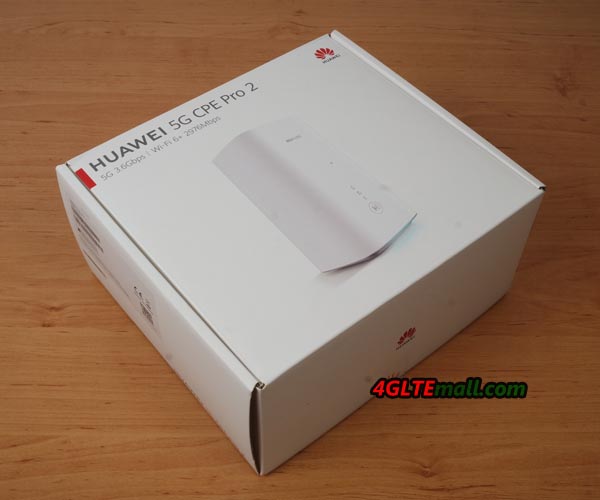
The Huawei 5G CPE Pro 2 is package in a simple box. In addition to the 5G WiFi router itself, it includes a power supply unit with a permanently connected power cable (output: 12V / 2A) and a short LAN cable. A printed, multilingual quick guide is also included, which is easy to understand thanks to some graphics.

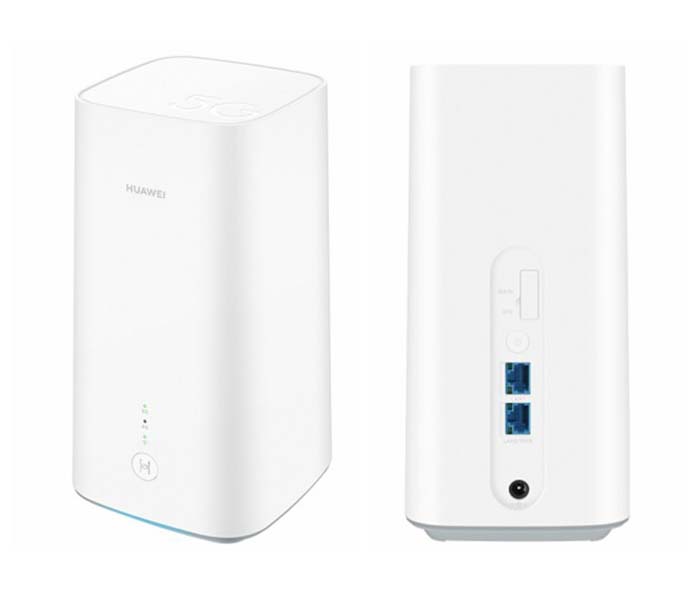
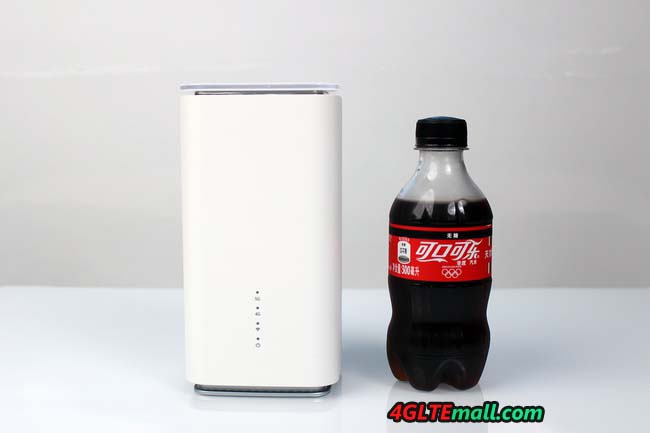
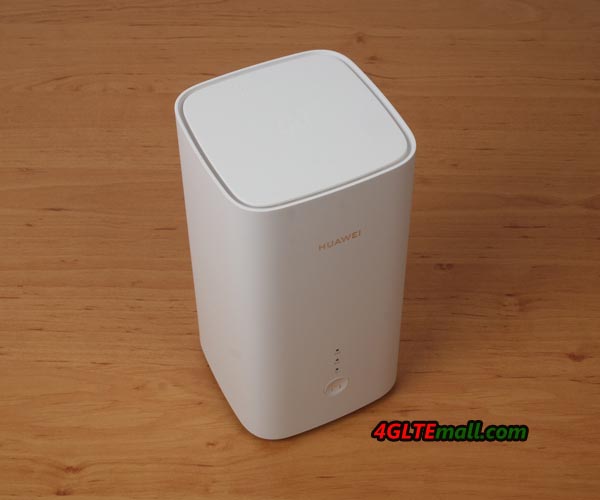
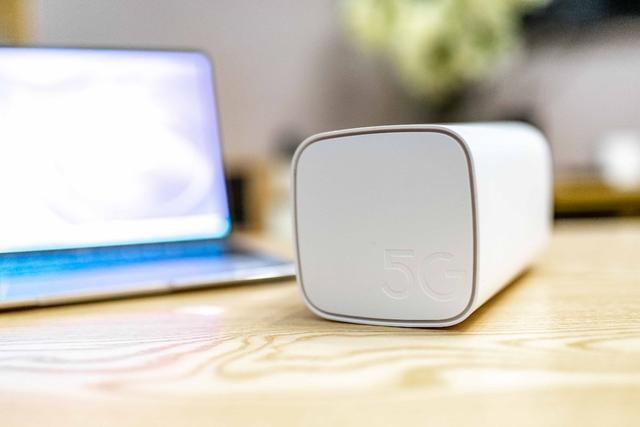
At first glance, the Huawei 5G CPE Pro 2 hardly differs from an ordinary 4G LTE router such as the Huawei B618 or Huawei B818. The Huawei 5G WiFi router is relatively compact and, thanks to the white plastic body in the cube design, quite inconspicuous. Only a large 5G logo on the top reveals that it is a top modern 5G router.
Weak point connections

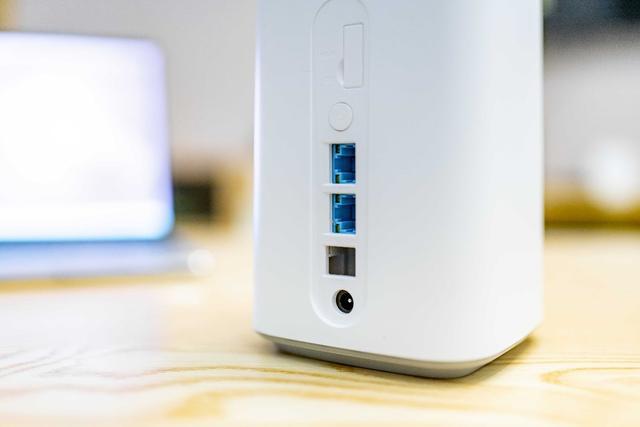
On the back of the Huawei 5G CPE Pro 2 there are two RJ45 Gigabit Ethernet LAN ports, one of which can also be used as a WAN port. This is useful, for example, if you want to use an existing cable or DSL modem.

There is also a connection for the power supply unit and an RJ11 telephone connection on the back. Unfortunately, the telephone function may be deactivated in the software of the Huawei 5G CPE Pro 2 H122-373 offered in some countries.
The slot for the nano SIM card is located on the underside. This is protected by a rubber cover. Incidentally, the Huawei 5G CPE Pro 2 can be used with any SIM card; there is no SIM lock for the router models.


A reset button and a power button are also located on the bottom. In addition to the SIM card slot, there is also a USB Type-C connection. The connections are certainly one of the biggest points of criticism of the Huawei 5G CPE Pro 2. With the LAN connections, at least a connection with a higher performance than 1 GBit/s would have made sense, after all, the router can theoretically achieve data rates of up to 3.6 GBit/s in the 5G network. Even in practice, speeds of over 1 GBit/s are not uncommon.


In addition, many users will miss connections for an external antenna. It is true that the use of an external antenna in 5G operation only makes limited sense, as a large number of frequency ranges are often bundled and more than 2 × 2 MIMO is used. Unfortunately, there is also no USB port, for example to integrate storage media into the network.

LEDs and fans

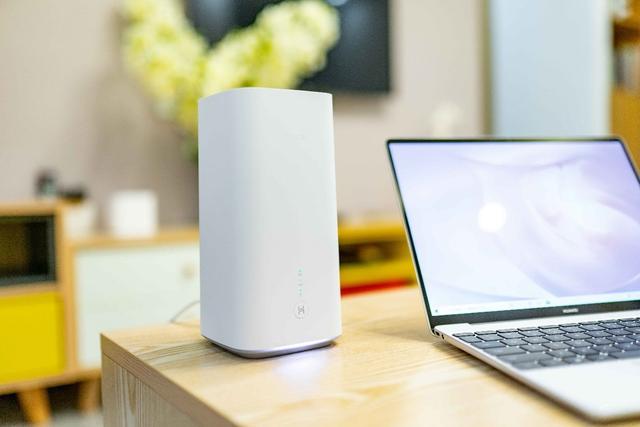
On the front of the Huawei 5G CPE Pro 2 there are some LEDs that signal the operating status and the reception strength. So you can easily see in which network technology (4G or 5G) the router is working. There is also an optically subtle LED on the underside, which Huawei calls “Ambient Light”. However, this LED light strip does not apparently fulfill a special function;
Since the Huawei 5G CPE Pro 2 can apparently get relatively warm during operation, Huawei has installed an active fan. In the test, however, this was not audible even in longer 5G operation.

Test in the 5G network

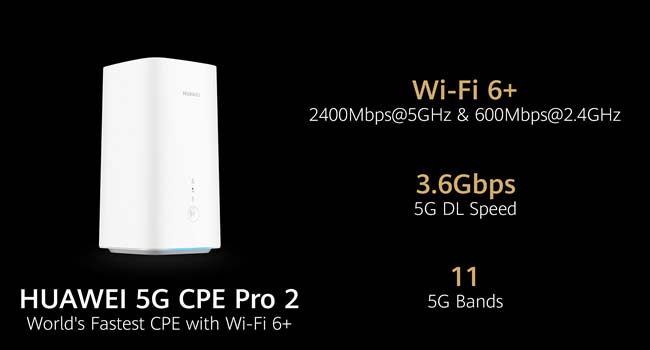
A total of 11 different 5G frequency bands are supported by the Huawei 5G CPE Pro 2, including the bands n1, n3, n7, n28 and n78, which are relevant for Europe and Asia. 4G LTE Bands 1, 3, 7, 8, 20, 28 and 32 are supported in LTE operation. This means that the Huawei 5G CPE Pro 2 has very good compatibility with current and future cellular networks.


The Huawei 5G CPE Pro 2 is currently one of only a few end devices that can use the 5G band n28 in conjunction with LTE band 20 as an anchor. Vodafone is expanding 5G band n28, especially in rural areas, as it enables very high ranges. This makes the router, which Vodafone markets as “Gigacube 5G”, ideal for 5G in rural areas.

In the test with a SIM card in the telecommunications network, the router ran smoothly on the frequency bands n1 and n78, of course always in NSA mode with an LTE cell as an anchor. In theory, however, the router can also use 5G SA as soon as a corresponding core network is available.
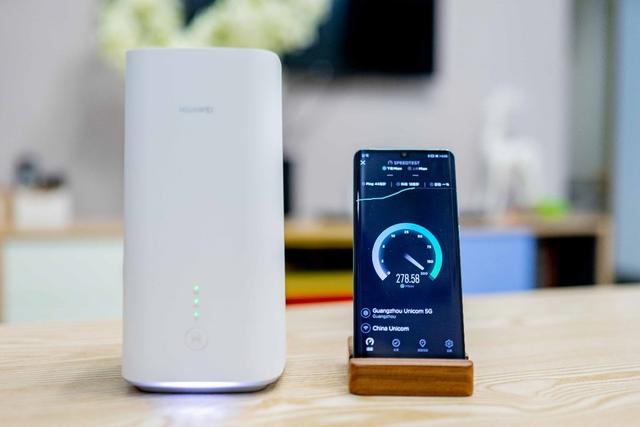
 

The speeds were very good both in 5G operation and in LTE operation. In the downlink, around 1 Gbit/s in the downlink and around 160 Mbit/s in the uplink were possible via 5G using band n78. When using band n1, up to 450 Mbit/s was achieved in the downlink. The latency times were pleasantly short, sometimes well below 15 milliseconds. In the LTE network, up to 450 Mbit/s in the downlink and up to 95 Mbit/s in the uplink were achieved.

The router could not be tested in the Vodafone 5G network due to the lack of a suitable 5G SIM card.

Very good WiFi connection

The Huawei 5G CPE Pro 2 supports the new WiFi 6 standard and theoretically achieves up to 2402 Mbit/s in the frequency range around 5 GHz and up to 574 Mbit/s in the frequency range around 2.4 GHz. In practice, the data rates are usually significantly lower. As it turned out in the test, most WiFi 6 end devices can only use lower bandwidths, for example because instead of 4 × 4 MIMO only 2 × 2 MIMO antenna technology is used. Nevertheless, the router with WiFi 6 is significantly faster than older router models and with a current WiFi 6 device, data rates of around 1 Gbit/s can be achieved quickly, for example with the Samsung Galaxy S20 or the Oneplus 8 Pro.

In addition to the speed, the WLAN range was also convincing in the test. A large apartment can be supplied without any problems, unless there are super thick walls between the devices. In theory, other WiFi routers can also be combined to form a mesh network via the Huawei HiLink Mesh service.
The Huawei 5G CPE Pro 2 can supply up to 128 devices simultaneously with a WLAN connection. The WLAN network on 5 GHz is preferred by the Huawei 5G CPE Pro 2 by default, i.e. even if you explicitly connect to the 2.4 GHz network, the connection is established on 5 GHz, provided the end device supports this frequency range. The user benefits from significantly higher speeds, but can of course also deactivate the function in the web interface if necessary. 

Software and operation

The Huawei 5G CPE Pro 2 can either be configured via the Huawei AI Life app (Android and iOS) or via the web interface (IP: 192.168.8.1). Both the app and the web interface are visually appealing and easy to use. All important functionalities are available, including, for example, the ability to call up statistics on the Internet connection or information on the connected devices.

Basically, a little more functions are available via the web interface than via the app. For example, there are functions such as bridge mode or the option of routing the Internet connection via a VPN. More common functions such as guest WiFi can also be configured via the app.


Overall, the range of functions is unfortunately relatively limited, especially professionals and network experts will certainly miss some functions. It starts, for example, with a simple time switch for the WLAN and goes through to manual technology or frequency band selection for the modem. None of this is possible with the Huawei 5G CPE Pro 2.


Not even meaningful information about the currently used radio cell can be read out. Windows users can at least help themselves with the unofficial tool “LTE-Watch H”, which can read out more detailed information about the connection. 


Conclusion on the Huawei 5G CPE Pro 2

The Huawei 5G CPE Pro 2 made a very good impression in the test. The device is very fast in both the 5G network and the LTE network and, thanks to WiFi 6, passes the internet connection on to connected end devices just as quickly. Operation is very easy thanks to the stylish app and clearly structured web interface.

The weak points are the connections (only Gigabit LAN, no connections for an external antenna) and the comparatively small range of functions of the software. If you can live with these points of criticism, you can get a very good 5G router for around 450USD.
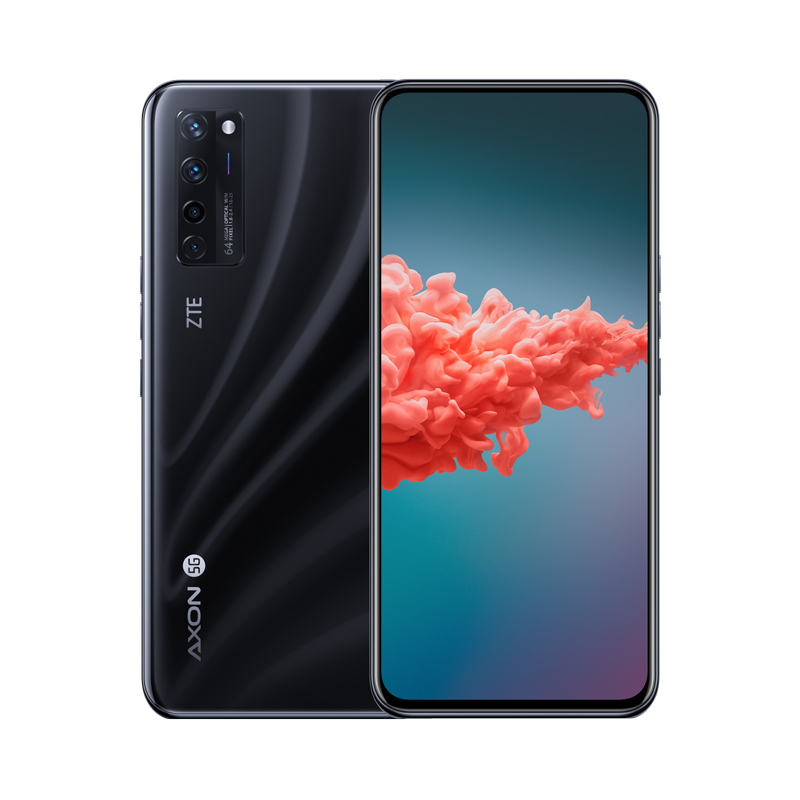
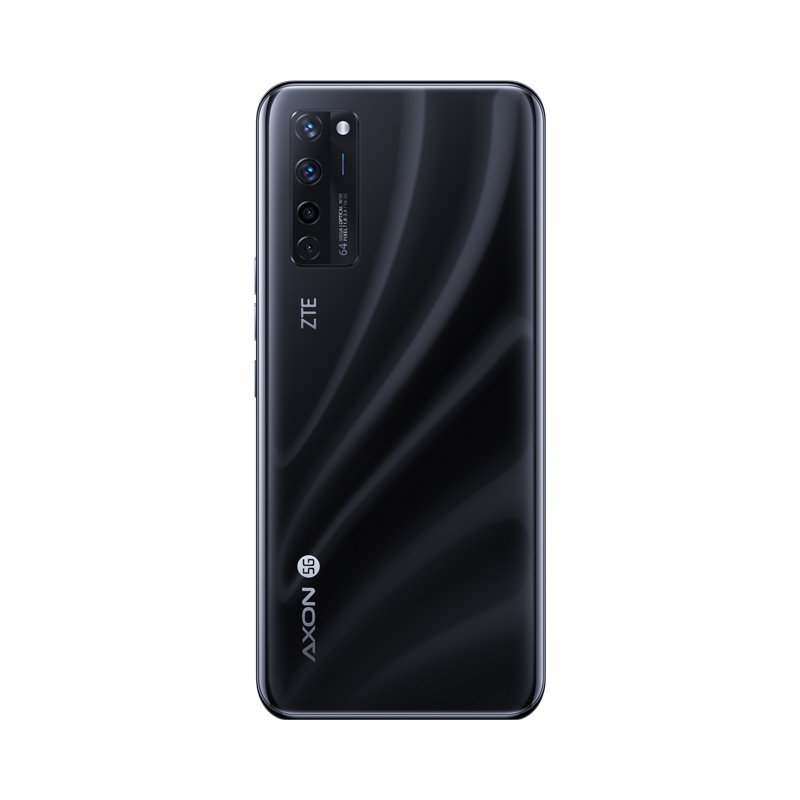
ZTE Axon 20 5G- World’s first 5G Phone with a Camera under Display

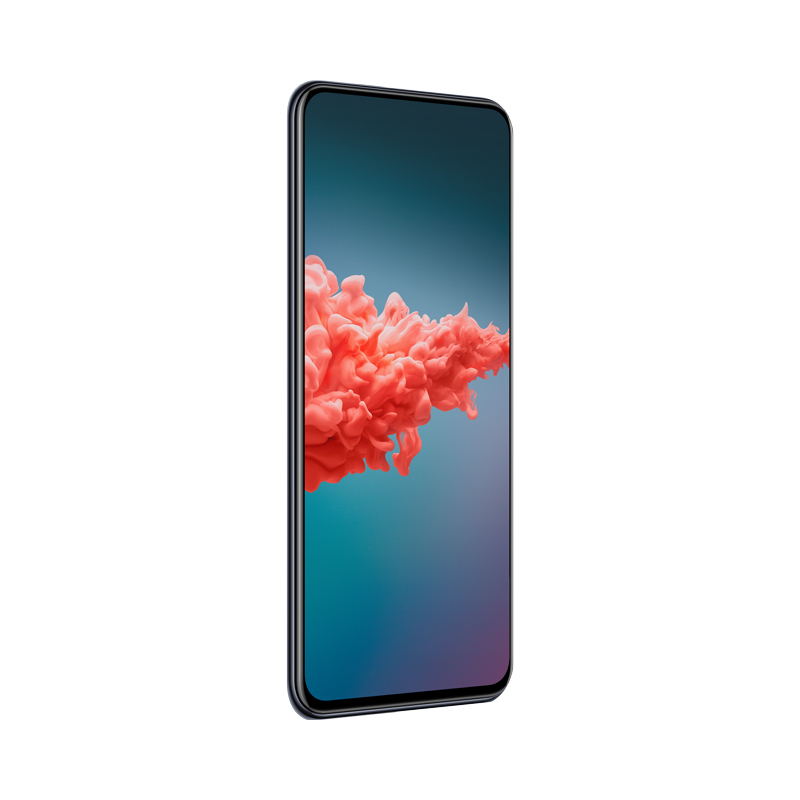
ZTE presented a new 5G smartphone – Axon 20 5G this week, which is the world’s first under-display camera smartphone, delivering the industry’s first true full display. It’s equipped with a 6.92-inch 90Hz OLED display, and supports 10-bit color depth as well as 100% coverage of DCI-P3 color gamut, making the display performance reach the digital cinematic color standards. Moreover, the FHD+ resolution and OLED materials have made the display color clearer and more beautiful. By virtue of a length-width ratio of 20.5:9 and the DTS:X Ultra 3D sound, the device can deliver a cinematic experience.

The new ZTE 5G Smartphone is based on Snapdragon 765G with 6/8 GB RAM, 128/256 GB memory, 4220 mAh, Quad main camera and 32 MP front camera.

But precisely the last point is the highlight of the ZTE Axon 20, because it is the first smartphone that not only has the fingerprint sensor under the display, but also the front camera. So there is no notch and no hole.

ZTE Axon 20 5G features a 64MP super HD main camera that supports 4K high-resolution video at 60fps, super night scenes, video beauty and real-time HDR video in multiple lighting conditions. In addition, the main and wide-angle lenses support image stabilization, which helps shoot videos of higher quality.


With the thickness of only 7.98mm, and the ultra-thin design of double shoulder lines, ZTE Axon 20 5G has inherited the sleek style of ZTE Axon Series.


The 3D curved glass on the back contains ten layers of structural stacks, which have been carefully crafted with 36 different processes to create a unique and gorgeous texture. The Axon 20 5G comes in four vivid colors, including blue, black, purple and orange.


In addition, ZTE has collaborated with the well-recognized UK illustrator Sam Falconer to create an exclusive package for ZTE Axon 20 5G. The design aims to encourage young people to explore more possibilities of the current technologies, by artistically representing the great contributions made by four well-known scientists to mankind.


ZTE Axon 20 5G features the upgraded antenna technology to ensure an ultra-fast 5G experience anytime and anywhere. ZTE’s Super Antenna 2.0 is a cutting-edge PDS antenna with a 360-degree surround integrated design and intelligent closed-loop tuning technology, which can improve network connection stability and download speed.

In addition, the latest MiFavor 10.5 UI system supports movie-level screen optimization and smart screen projection while the large 4,220mAh battery can support 30W Quick Charge and a 5G power saving mode that improves battery life by 35%.


So far, the new mid-range smartphone from ZTE, whose price should cost less than 500 euros, has only been presented for China. If you like this phone, you may buy from some oversea online stores. Below are the specifications of ZTE Axon 20 5G cell phone for reference:


Network 5G: n41/38/78/77/28/1/3/7

FDD: B1/2/3/4/5/7/8/12/17/20/26/28

TDD: B34/38/39/40/41

UMTS: B1/2/4/5/8

GSM: B2/3/5/8

4*4MIMO

LTE: B1/3/7

Processor Qualcomm® Snapdragon™ 765G
Storage 6/8GB RAM + 128/256 GB ROM
OS Android Q
Display 6.92’’ FHD+(2460×1080), OLED
Camera Rear: 64MP + 8MP(120 degree wide angle) + 2MP(depth) + 2MP(macro)

Front: 32MP

Battery 4220mAh(typical), Qualcomm® Quick Charge™ 4+, 30W
Interface USB Type-C, nano + nano/micro SD(up to 2TB)
Size & Weight 172.1*77.9*7.98mm

198g(approx.)

Features Under-display Camera, Under-display Fingerprint, Under-display Sound

GPS/A-GPS/BeiDou/GLONASS,

802.11a/b/g/n/ac, BT 5.1, Hi-Fi, NFC

Accelerometer, Proximity & Ambient, Compass, Gyroscope


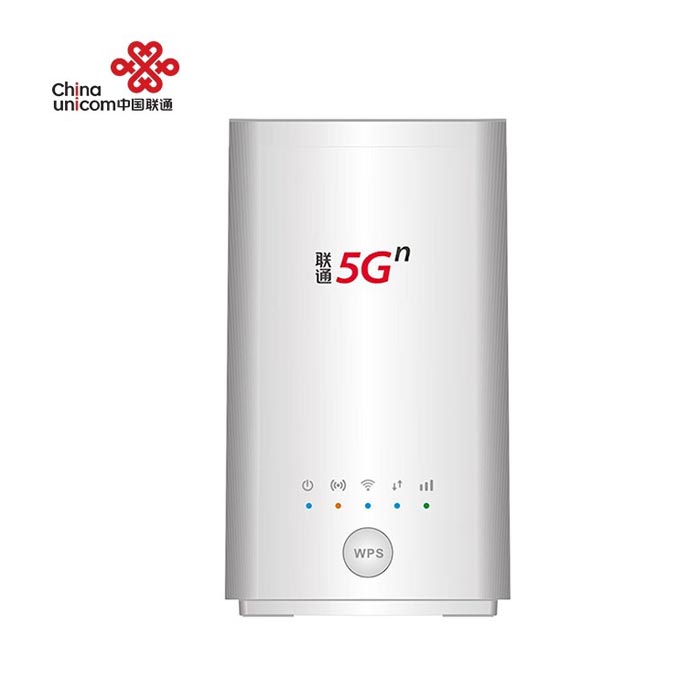
China Unicom 5G CPE VN007 Released

China United Network Communications, which is one of the three China’s mobile operators (MNO), launched a stationary wireless LAN router made by UNICOM VSENS COMMUNICATIONS in China. The 5G wireless router model number is China Unicom 5G CPE VN007. It is a stationary wireless LAN router that can use 5G services that comply with the NR method of the 5th generation mobile communication system (5G) provided by China United Network Communications.


The 5G CPE VN007 is equipped with the UNISOC’s first 5G multi-mode baseband chip of UNISOC V510 developed by China’s UNISOC TECHNOLOGIES. The communication method supports NR/LTE method. The NR system is a dual mode 5G that supports both stand-alone (SA) and non-stand-alone (NSA) configurations.


The frequency corresponds to the sub 6 GHz band, and the theoretical value of communication speed is 2.3 Gbps maximum for downlink and 1.15 Gbps maximum for uplink. In the SA configuration, VoNR (Voice over NR), which realizes a voice call by the NR method, can be used, and a voice call can be used by connecting a stationary phone.


UNISOC V510 enables its terminal products to work even in the harsh industrial environment due to its industrial standard design, which can be widely used in enterprise wireless network, campus network, 5G industrial Internet of Things, and other fields.


The SIM card supports eSIM in addition to the physical Micro SIM (3FF) size SIM card. It also supports wireless LAN (2.4GHz/5GHz), which covers 360 degrees. It is developed through UNICOM VSENS COMMUNICATIONS, a wholly owned subsidiary of China United Network Communications, which is in charge of terminal related business, and manufactured by Guangzhou Tozed Kangwei Intelligent Technology of China.


There is only one color available for the China Unicom 5G CPE: white. The product has been available in China since July 15, 2020 through a dealer of China United Network Communications. The price of China Unicom VN007 5G CPE is 599.00USD. It is now available at www.4gltemall.com .


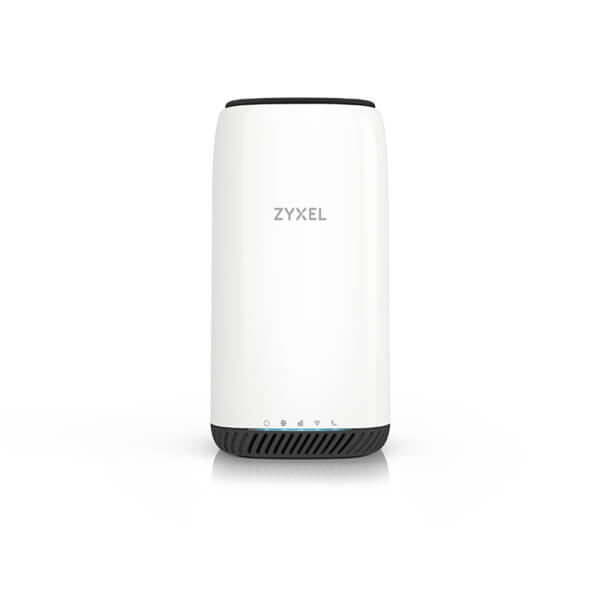
Zyxel Released New 5G Indoor and Outdoor Routers

The network specialist Zyxel released three new 5G routers for indoor and outdoor use. The model NR5101 is designed as a classic indoor 5G router, the model NR7101 is intended for outdoor use and the Zyxel N2101 is a 5G Pocket WiFi router. All the devices are compatible with several 5G frequency bands and also support 4G/LTE networks as fallback.

Zyxel NR5101 indoor 5G router

If you are looking for a 5G router for stationary use in the building, you should take a closer look at the NR5101 from Zyxel. The device offers support for all important 5G frequency bands and can also use LTE in the gigabit range. In 5G operation, data rates of up to 2.34 GBit/s can be achieved in the download, up to 1.2 GBit/s are possible in the uplink.

The Zyxel NR5101 has two RJ45 Gigabit Ethernet LAN connections and 6 integrated antennas for mobile radio. WLAN is of course also supported; users can use the latest WiFi 6 standard with up to 1.8 GBit/s. Below are the general Specifications of Zyxel NR5101 5G router:

* FWA solutions for 4G & 5G mobile networks

* Supports 5G Non-Standalone & Standalone mode

* 5G DL 2.34 Gbps UL 1.2 Gbps

* DL 4×4 MIMO, 5G NR and LTE

* Built-in 6 high-efficiency 4G/5G antennas

* WiFi 6, AX1800 2.4 GHz/5 GHz dual-band concurrent

* Two RJ45 Gigabit Ethernet LAN ports

* Bridge and router modes, IPv4/IPv6 dual-stack

* Remote management through TR-069 and SSH

* Micro/3FF SIM card slot with eUICC/eSIM reserved


Zyxel NR7101 outdoor 5G router

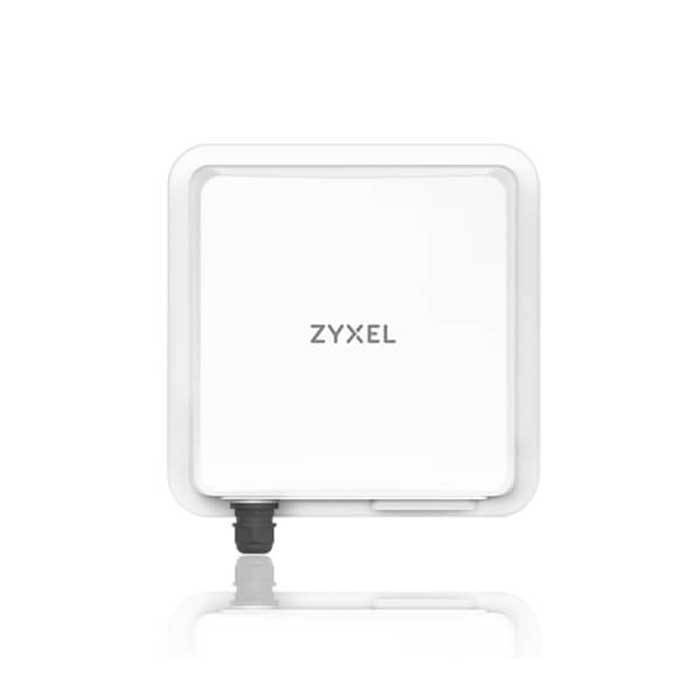
Like the competitor model Huawei 5G CPE Win, Zyxel NR7101 router is equipped with an outdoor unit, which has IP67 protection against water. If no reception is possible in the house, the Zyxel NR7101 can be installed outdoors and thus ensure reliable Internet access even in poorly connected regions. The outdoor router can reach speeds of up to 2.3 Gbps over 5G. The 5G bands n1, n3, n7, n8, n20, n28 in the FDD mode and the bands n41, n77, n78 and n79 in the TDD mode are supported.

The NR7101 router also supports LTE and 3G. In LTE mode, even 5CA is supported in the downlink and 2CA in the uplink, and the device can also use 4 × 4 MIMO. Details can be found

The Zyxel 5G router only offers a WLAN function for administration, which also makes sense in view of the outdoor installation. The signal is transported via RJ45 Gigabit Ethernet, so that a separate WLAN router can then be installed in the building. Power is also supplied via RJ45 Ethernet (Power over Ethernet, PoE). Below are the general Specifications of Zyxel NR7101 5G router:

* FWA solutions for 4G & 5G mobile networks

* Supports 5G Non-Standalone & Standalone mode

* Support 5G frequency bands:n1/n3/n7/n8/n20/n28/n41/n77/n78/n79

* Support 4G frequency bands: B1/B3/B5/B7/B8/B20/B28/B38/B40/B41/B42/B43/B48

* Support 3G frequency bands: B1/2/3/5/8
* DL CA:
– DL 2xCA: intra-band and inter-band
– DL 3xCA: intra-band and inter-band
– DL 4xCA: intra-band and inter-band
– DL 5xCA: intra-band and inter-band within 4 bands

* UL CA: UL 2xCA: intra-band contiguous

* DL 4×4 MIMO: B1/3/7/38/40/41/42/43

* DL 256-QAM: Yes

* UL 64-QAM: Yes

* MIMO (UL/DL): 1×4

* WiFi AP: 802.11ax 2×2

* 5G DL 2.34 Gbps UL 1.2 Gbps

* DL 4×4 MIMO, 5G NR and LTE

* Built-in 6 high-gain 4G/5G antennas of up to 9 dBi per element

* Standard 802.3af Gigabit PoE LAN port

* Hardened IP67-certified enclosure with industrial-grade components

* Micro/3FF SIM card slot with eUICC/eSIM reserved

* Bridge and router modes, IPv4/IPv6 dual-stack

* Remote management through TR-069 and SSH

Zyxel NR2101 5G mobile WiFi router

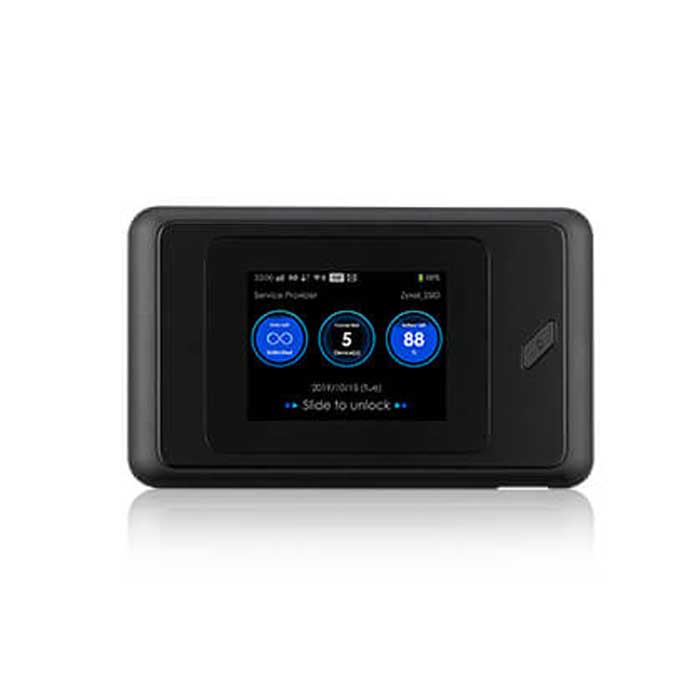
Besides the NR7101 and NR5101 Router, Zyxel also presented a 5G mobile WiFi router and the model is NR2101. It also supports the latest 5G technology, supporting many 5G frequency bands with 4G LTE networks backward compatible. NR2101 5G Router supports WiFi 6 with dual-band WLAN.

As a 5G pocket WiFi router, the Zyxel NR2101 has a removable battery of 5300mAh, which can provide working time up to 10 hours. In addition, one RJ45 Gigabit Ethernet port is available in this device, which is missing in the competitor model Huawei 5G mobile WiFi. Below are the general Specifications of Zyxel NR7101 5G router:

* FWA solutions for 4G & 5G mobile networks

* Supports 5G Non-Standalone & Standalone mode

* Support 5G frequency bands:n1/n3/n7/n8/n20/n28/n41/n77/n78/n79

* Support 4G frequency bands: B1/B3/B5/B7/B8/B20/B28/B38/B40/B41/B42/B43/B48

* Support 3G frequency bands: B1/2/3/5/8
* DL CA:
– DL 2xCA: intra-band and inter-band
– DL 3xCA: intra-band and inter-band
– DL 4xCA: intra-band and inter-band
– DL 5xCA: intra-band and inter-band within 4 bands

* UL CA: UL 2xCA: intra-band contiguous

* DL 4×4 MIMO: B1/3/7/38/40/41/42/43

* DL 256-QAM: Yes

* UL 64-QAM: Yes

* MIMO (UL/DL): 1×4

* WiFi AP: 802.11ax 2×2

* 5G DL 2.34 Gbps UL 1.2 Gbps

* DL 4×4 MIMO, 5G NR and LTE

* Built-in 6 high-efficiency 4G/5G antennas

* WiFi 6, AX1800 2.4 GHz/5 GHz dual-band concurrent

* One RJ45 Gigabit Ethernet LAN ports

* Power: USB 5V

* 5300 mAh removable battery provides up to 10 hours working time

* 2.4” touch screen

* Nano/4FF SIM card slot with eUICC/eSIM reserved


Availability Time and Price

It is not yet clear when the three new Zyxel 5G routers will be available in the market. And we also don’t know the Zyxel 5G router prices. We will update the info once there is news here.

Huawei 5G CPE Pro 2 Available to Buy

As the upgraded successor to Huawei 5G CPE Pro, the new and more powerful 5G Router Huawei 5G CPE Pro 2 is available recently in the markets. The Huawei 5G CPE Pro 2 comes with the model number H122-373, which was introduced in early 2020 and now is for sale in China and some European countries.

Huawei 5G CPE Pro 2 Specifications


Like the predecessor, Huawei 5G CPE Pro 2 is SIM unlocked for global use. Alternatively, the 5G router can also be purchased together with a contract or with a contract extension. The Huawei 5G CPE Pro 2 is a high-quality and very well-equipped 5G router for stationary use. The chipset of the Huawei 5G router is the Huawei Balong 5000 chipset, combined with the Huawei Gigahome WLAN chipset. A special feature in comparison with other router models is the integrated active fan, and according to Huawei sayings, this should work very quietly.


Huawei 5G CPE Pro 2 supports various 5G NR frequency bands including bands n1/n3/n5/n/7/n28/n38/n40/n41/n77/n78/n79. According to Huawei, the theoretical maximum data rates of up to 3.6 GBit/s in download and 250 MBit/s in upload over 5G. When working on 4G LTE networks, 1.6 GBit/s can still be reached in the downlink and 150 MBit/s in the uplink. In addition, the 5G router even supports the 5G standalone standard.


The WiFi module in the Huawei 5G CPE Pro 2 supports the latest WiFi 6 standard and can therefore easily forward the high mobile speeds to modern end devices. In theory, up to 2.4 Gbit/s are possible in the 5 GHz band and up to almost 600 Mbit/s in the 2.4 GHz band. The router can connect up to 128 devices at the same time. Since the Huawei 5G CPE Pro 2 also supports WiFi mesh with “HiLink Mesh”, the WiFi network can be expanded accordingly if required.


Like the Huawei 5G CPE Pro, Huawei has also installed two RJ45 Gigabit Ethernet connections, one of which also works as a WAN port if required, i.e. here you can connect the router to a DSL modem, for example. A PDF data sheet with the complete technical data of the Huawei H122-373 5G CPE Pro 2 is available for download from 4gltemall.com .


Here now, the Huawei 5G CPE Pro 2 is available to buy but price is a little bit higher than the Huawei 5G CPE PRO. If you can’t wait to enjoy amazing 5G surfing speed, Huawei 5G CPE Pro 2 will be a good option for you. Here you can click the link to buy this new 5G router: https://www.4gltemall.com/huawei-5g-cpe-pro-2.html

OPPO 5G CPE Omni Released

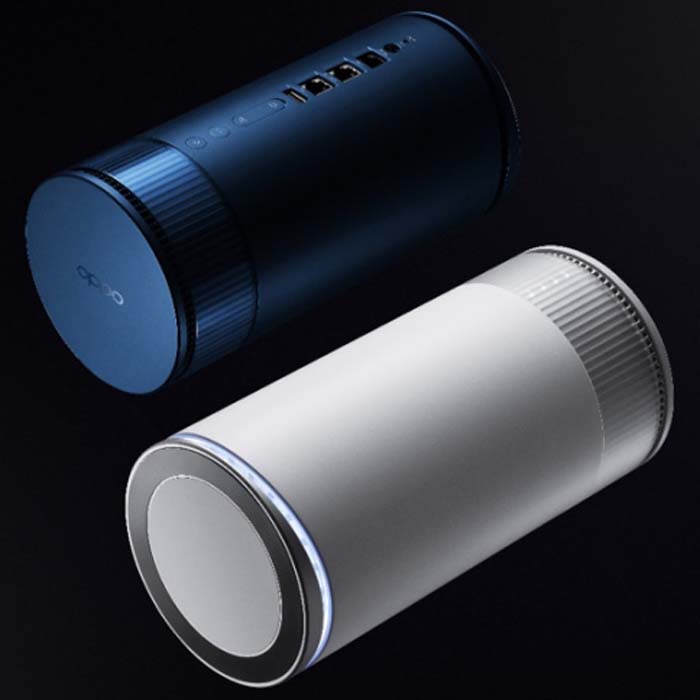
The OPPO Mobile Telecommunications from China’s Guangdong has announced a new NR/LTE terminal “OPPO 5G CPE Omni“. It is a stationary wireless LAN router called the customer premises equipment (CPE) that supports the NR method of the 5th generation mobile communication system (5G).

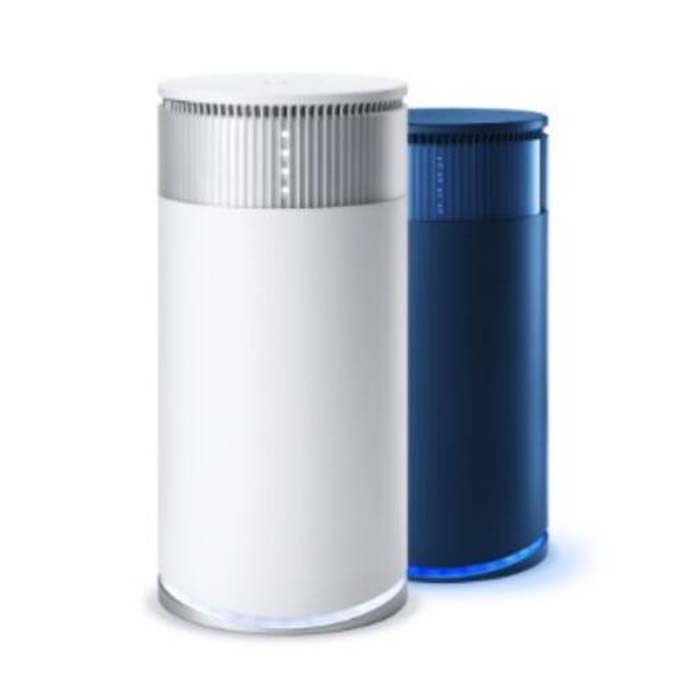
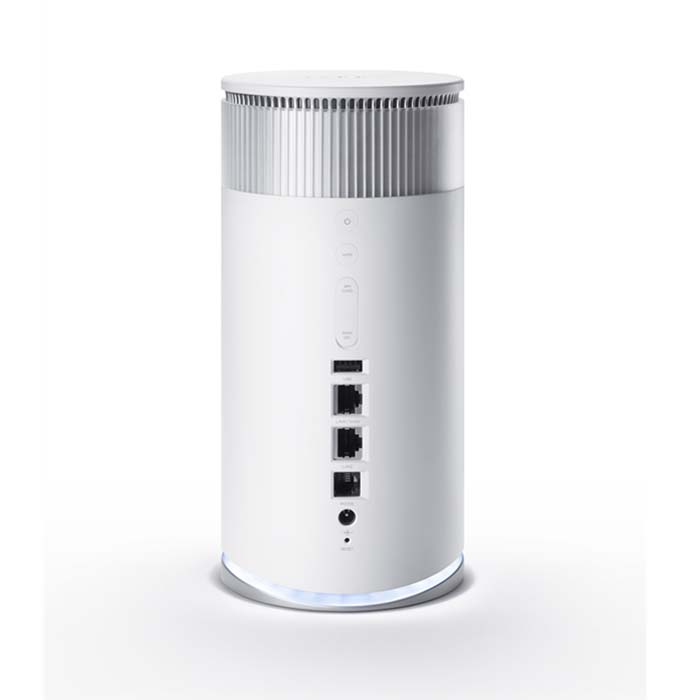
This is the first 5G CPE for Guangdong OPPO Mobile Telecommunications. The CPU is equipped with Arm Cortex-A53 and the operating frequency is 2.2GHz. The communication modem is equipped with Qualcomm Snapdragon X55 5G Modem-RF System. There are two color variations, Classic White and Mystic Blue.


The new 5G CPE device offering speeds of up to 7.5 Gbps. The Oppo 5G CPE Omni supports millimeter wave and sub-6 GHz dual network frequency bands as well as 5G connections via the company’s “O-Motion 360-degree” antenna solution. The 5G millimeter wave antenna can rotate +/-180 degrees and achieve loss-free and anti-locking during operations, said Oppo, adding that it also supports 2X MIMO and is backed by the “O-Reserve” 4X MIMO antenna in the sub-6GHz frequency.


As the most advanced 5G CPE device in the industry, the OPPO 5G CPE Omni not only supports millimeter wave and sub-6 GHz dual network frequency bands, but also offers users an amazing 5G connection experience powered by the firm’s proprietary O-Motion 360° 5G antenna solution.


Users expect high speed, stable connectivity and blind angle free signal reception from CPE products. As the most advanced 5G CPE device in the industry, the OPPO 5G CPE Omni not only supports millimeter wave and sub-6 GHz dual network frequency bands, but also offers users an amazing 5G connection experience powered by the firm’s proprietary O-Motion 360° 5G antenna solution.

In terms of connectivity, OPPO 5G CPE Omni supports the most advanced Wi-Fi 6 protocols and can connect up to 1,024 devices simultaneously thanks to the integration of the Qualcomm IPQ8074A Wi-Fi chip. In the 5GHz channel, it supports up to 80MHz 8×8 MIMO. In the Dual Band Dual Concurrent (DBDC) mode, the theoretical peak transmission rate between Omni and other devices can reach up to 6Gbps. Omni also supports Mesh Network, Bluetooth low energy protocol (BLE 4.1) and ZigBee 3.0, enabling the expansion into multiple business scenarios in the future.


Omni is also the world’s first 5G CPE to support the MPTCP (MultiPath TCP) protocol. When the 5G cellular network and wired network are working concurrently and one of them fails, the MPTCP protocol algorithm will transfer the device from the failed network to the other function, ensuring seamless network switching and avoidance of data transmission interruption due to intermittent network failures. In addition, due to the use of the MPTCP protocol algorithm, Omni also supports dual frequency Wi-Fi rate overlapping of 2.4GHz and 5GHz channels, providing a higher and more stable Wi-Fi experience for devices.


The OPPO 5G CPE Omni launch is set to accelerate the rollout of the 5G network globally, offering users an unprecedented 5G experience. Oppo didn’t reveal any availability or price details for this new 5G CPE, but we suppose it will be available in coming two months.

OPPO 5G CPE T1 Review

5G networks are becoming more and more popular worldwide. And more and more users enjoy 5G network through the 5G terminals. The Chinese mobile phone manufacturer OPPO recently released a new 5G wireless router named OPPO 5G CPE T1, which can transfer 5G network to WiFi network via only one 5G SIM card.


OPPO 5G CPE T1 Appearance

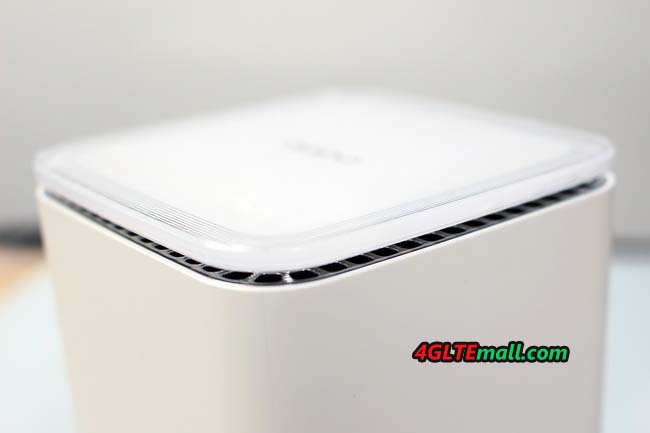
The appearance of OPPO 5G CPE T1 looks very similar to the predecessor Huawei 5G CPE Pro, which was already available last year and is now used in many countries. They are both in white color and simple design. The top of OPPO 5G CPE is made of acrylic material and is transparent, which makes the 5G wireless router look cool.


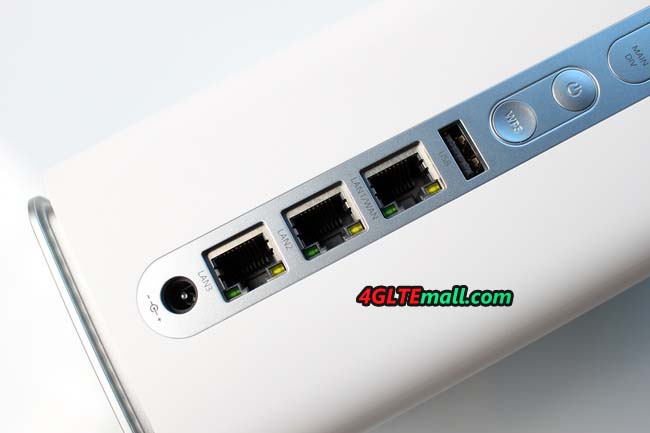
On the back, there are two LAN ports and one port for LAN/WAN. Above the LAN/WAN ports, there is a USB 2.0 port. The WPS and power buttons are above the USB port with the two TS-9 connectors for an external 5G antenna. The power plug port is below the LAN ports. The LAN/WAN ports provide wired connection if your devices don’t support WiFi.

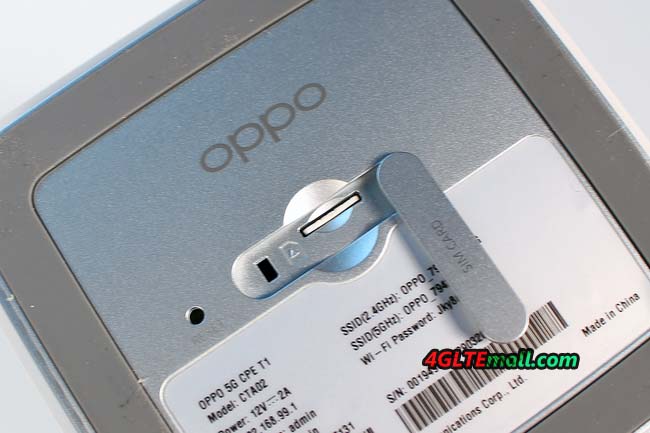
Like the Huawei B818 4G Router, the SIM card slot of OPPO 5G CPE T1 is at the bottom with the reset hole. The SIM card slot is for NANO SIM. Beside the SIM card slot, there is a label indicating model number, power consumption, web IP address, web log in name and password, SSID for 2.4GHz and 5GHz, and WiFi password.


OPPO 5G CPE T1 Specifications

Based on Qualcomm Snapdragon X55 chipset, OPPO 5G CPE T1 supports 5G SA/NSA dual modes, and can achieve download speeds up to 4.1Gbps. The OPPO T1 5G CPE covers many popular 5G network frequency bands.


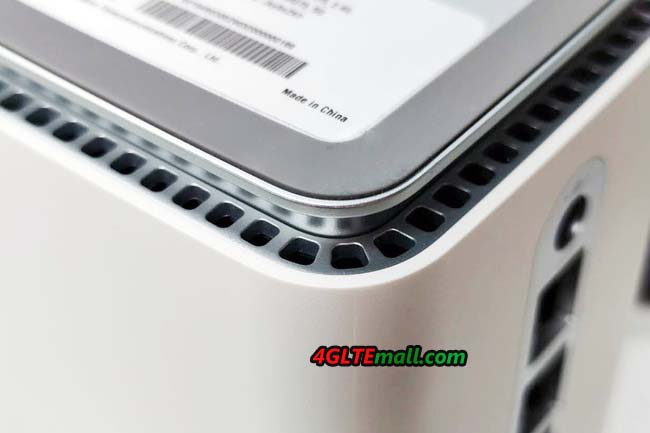
In addition, OPPO 5G CPE T1 supports WiFi-6 and so provides much better wireless performance than predecessor WiFi 5 routers. The OPPO 5G Router can use O-reserve to optimize so as to get the best signal through 5G antenna. For heat radiation, the OPPO 5G CPE T1 adopts chimney design. At the top and bottom of the OPPO 5G CPE T1, there are ports for heat radiation.

OPPO 5G CPE T1 Management

Like many other 5G CPEs, the OPPO 5G T1 CPE can be managed via OPPO Smarthome APP or web interface. The APP can simplify the settings and adjustments. It’s very easy to bind the 5G device with the APP and control the CPE. In the APP, users can detect the 5G signal, which can guide users to select the best position to locate the 5G CPE in a house.


The OPPO 5G CPE T1 is now available in China. Whether it will be available in other markets, it’s unknown yet. If you are interested in this new 5G CPE, you may follow us for future test.


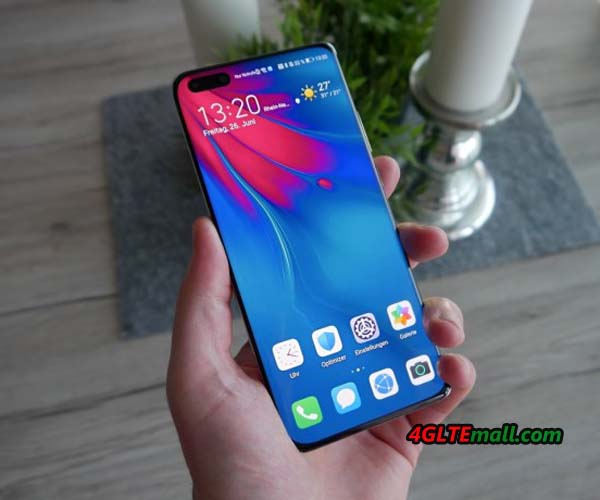
Huawei P40 Pro Plus Camera Test

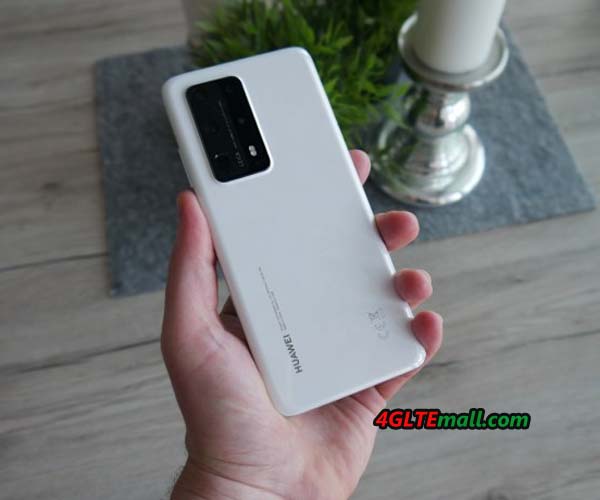
The Huawei P40 Pro+ has been available for many days now and you can buy it in many countries over the world. The flagship from Huawei costs 1499USD in the online shop and is available in black and white color.


On the one hand, the two colors have a ceramic back, which feels a bit different from glass and has a somewhat matt look. It feels quite good, but not necessarily higher quality than glass. This step also brings a little more weight. The Huawei P40 Pro+ is as tall and wide as the normal Pro model, just a little thicker.


There is the same display with 90 Hz, the same SoC (Kirin 990) and the same amount of RAM (8 GB). For the internal memory we have 512 instead of 256 GB and wireless can be charged with 40 instead of 27 watts.


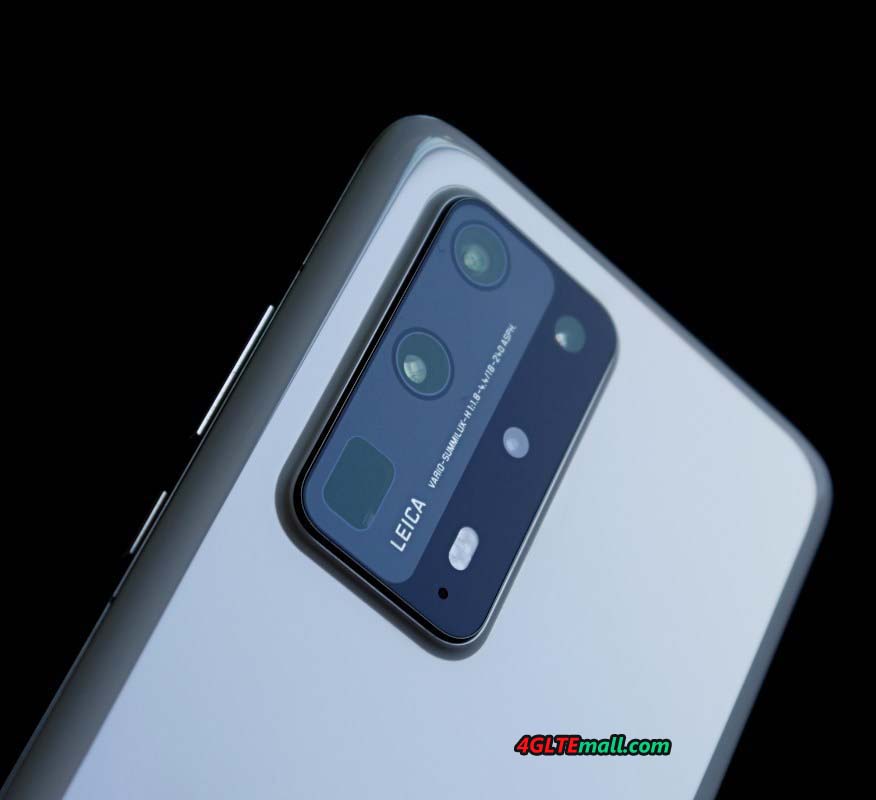
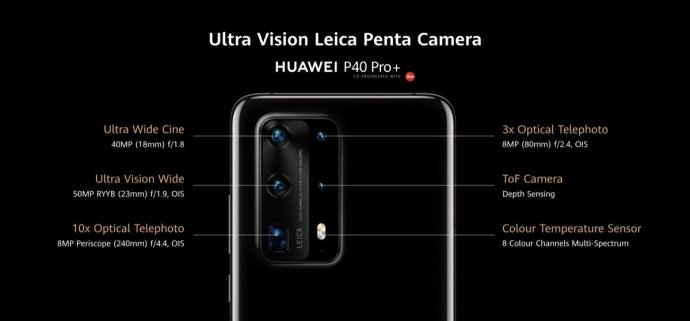
At first glance, the Huawei P40 Pro+ looks exactly like the Huawei P40 Pro and I think that’s good, because it is more compact than a Samsung Galaxy S20 Ultra or OnePlus 8 Pro. The main camera with 50 megapixels is also identical, as the camera is for ultra wide-angle shots with 40 megapixels.

Huawei P40 Pro+ is the zoom champion

You put them on the table for the zoom camera. The Huawei P40 Pro+ is the first smartphone to have the SuperZoom camera (10x optical zoom, f / 4.4 aperture, OIS) + 8 MP telephoto camera (3x optical zoom, f / 2.4 aperture, OIS).


So while the Huawei P40 Pro gives you an “optical” zoom with 5x magnification, it is a combination of 3x and 10x zoom. And this combination is really impressive.


Zoom cameras from other manufacturers have also become very good, but I have never encountered a zoom camera that delivers such a good result with a 10x zoom. If you manage to keep your hand reasonably steady and photograph a still object, it looks like a normal photo.


The distance has limits, of course, and the Huawei P40 Pro+ cannot compensate for a restless hand and a wiggling flower, but with a little patience and calmness I have so far been quite impressed by the results.


The 5x zoom of the Huawei P40 Pro is often a bit too strong for me, but I find the combination of 3x and 10x zoom much better. And with a 10x zoom that delivers really useful results.


Compared to an iPhone 11 Pro, Huawei P40 Pro+ is much better in this zoom and at every zoom level. Of course, the question also arises for some of you whether you need such a zoom.


In everyday life, a 2x, 3x or sometimes 5x zoom is sufficient in most cases. A 10x zoom is very rarely used. But it is impressive how far the technology is in this compact body.


Huawei P40 Pro+ even without Google services

The conclusion itself is similar to the Huawei P40 Pro. The hardware is impressive, but a price of 1499USD without the Google services is something that I can hardly recommend. It’s sorry for Huawei, because this zoom camera is in a different league than the rest of phones in the market. The target group wants to find the apps and whose focus is entirely on the zoom of a camera is small.


Technically speaking, Huawei has once again proven with the P40 Pro+ that it can set new standards for the camera. Only that with the software is still the big problem. The Huawei P40 Pro+ is again a model that I would wish would not have the US embargo.


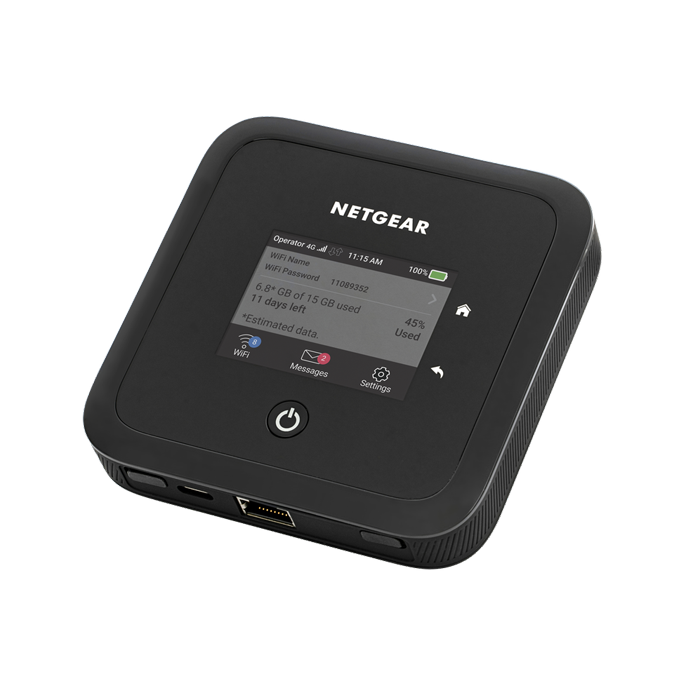
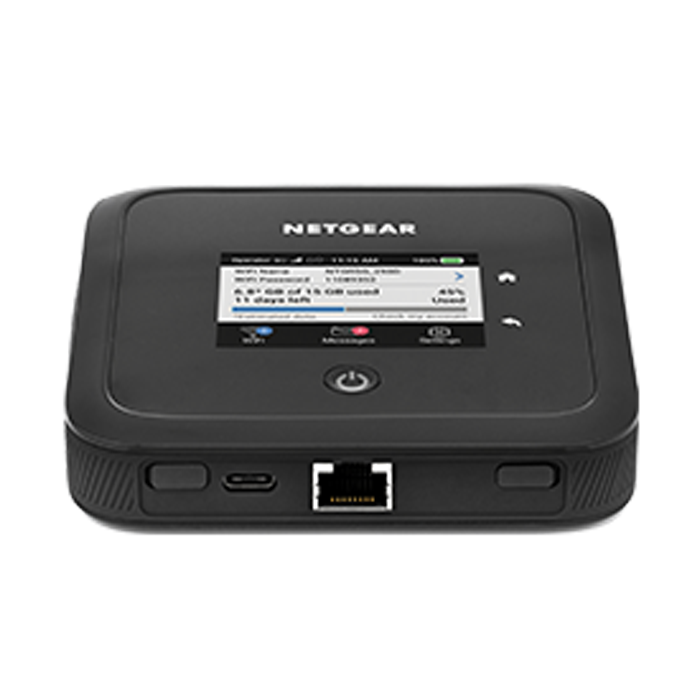
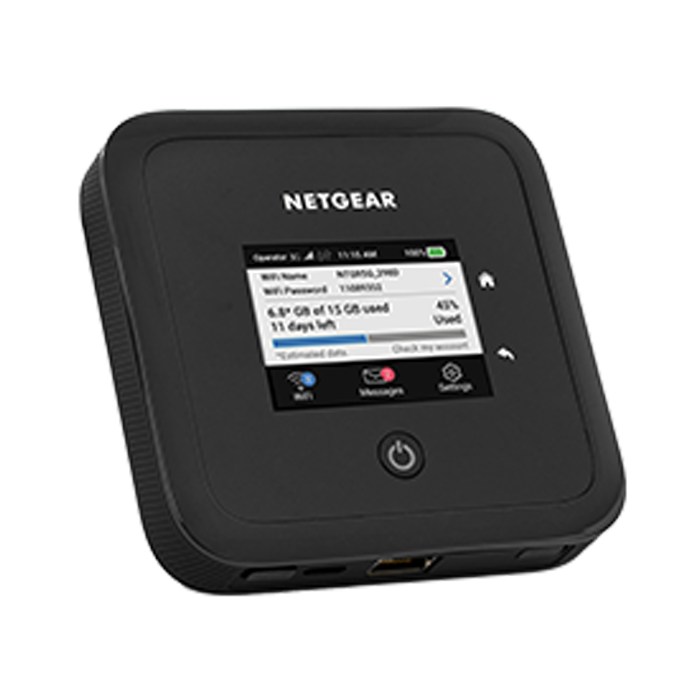
Netgear Nighthawk M5 MR5200 5G Mobile Hotspot Review

Netgear Nighthawk M5 MR5200 is a new 5G flagship mobile pocket WiFi router which was announced at the January 2020 CES trade show. As the successor to the 4G mobile router Netgear Nighthawk MR1100, Netgear Nighthawk MR5200 looks similar to the Nighthawk M1, but it has much difference and the specs configuration has much improvement. The Nighthawk MR5200 is likely destined to be AT&T’s 5G mobile hotspot, but it’s not the first one. The first one is the Netgear Nighthawk M5 Fusion MR5000.

Netgear Nighthawk M5 MR5200 Appearance

Like the Nighthawk MR5000, the Netgear 5G Router features a touch screen interface, gigabit ethernet port, USB-C for charging and tethering, and it appears to have antenna ports as well. From the 2.4″ color LCD touch screen, users can conveniently monitor data usage, see WiFi name/password, mobile signal strength, and manage device and network settings. Time, date, data usage and important status information are displayed on the lock screen.


Netgear Nighthawk M5 MR5200 Specifications

Netgear Nighthawk M5 MR5200 is based on the Qualcomm Snapdragon X55, a second generation 5G modem chipset, supporting all versions of 5G, including both millimeter-wave and sub-6 networks, it also supports Wi-Fi 6 for devices that are connected to it.


Simply connect your Nighthawk M5 Mobile Router to your existing home router to deliver 5G speeds throughout your home. The router supports the latest 5G Technology: 5GNR Sub 6 GHz (NSA). It also supports LTE CAT.22, LTE Advanced, 4×4 MIMO, 256QAM.

The Qualcomm Snapdragon X55 will also support dynamic spectrum sharing – allowing 4G and 5G technologies to co-exists on the same frequency bands, allowing for a faster rollout of 5G coverage nationwide. And when there is no 5G coverage to be found – the M5 will support the latest Cat-22 LTE technology, theoretically capable of well over gigabit speeds in fully developed LTE areas. The M5 also has other benefits of 5G, including up to 10x lower latency compared with 4G, and much better spectrum efficiency.


Netgear is claiming the 5G mobile router will have enough horsepower to enable peak theoretical 5G downlink speeds of “Close to 4Gbps” – though it will undoubtedly take a long time for cellular networks to evolve to support this level of performance.


Netgear Nighthawk MR5200 WiFi 6 Technology

The other exciting new feature included in the Nighthawk M5 is support for Wi-Fi 6, the next evolution of the Wi-Fi standard more technically known as 802.11ax. Wi-Fi 6 hotspots and routers will remain backwards compatible with Wi-Fi 5 and Wi-Fi 4 clients too – and the Nighthawk M5 supports simultaneous use of both 2.4GHz and 5GHz Wi-Fi spectrum with as many as 32 client devices connected at once. With increased capacity, you get faster speeds for high-end video streaming on your smartphones, tablets, and computers.


Netgear Nighthawk MR5200 Battery

For the power source, the M5 uses a USB-C port for charging and a removable rechargeable battery. Netgear says the mobile router has a long battery life, but can also work when plugged in, with the battery removed. The Netgear Nighthawk M5 mobile router features a long lasting battery for all day usage. You also have the option of plugging into a power outlet at home for a 24/7 operation with battery removed.


Netgear Nighthawk MR5200 Price and Availability

The Nighthawk M5 5G WiFi 6 Mobile Router is available in the second half of this year. The price of M5 MR5200 is not yet known but once it’s available, we will update it.


Oppo Find X2 Pro 5G Phone Test

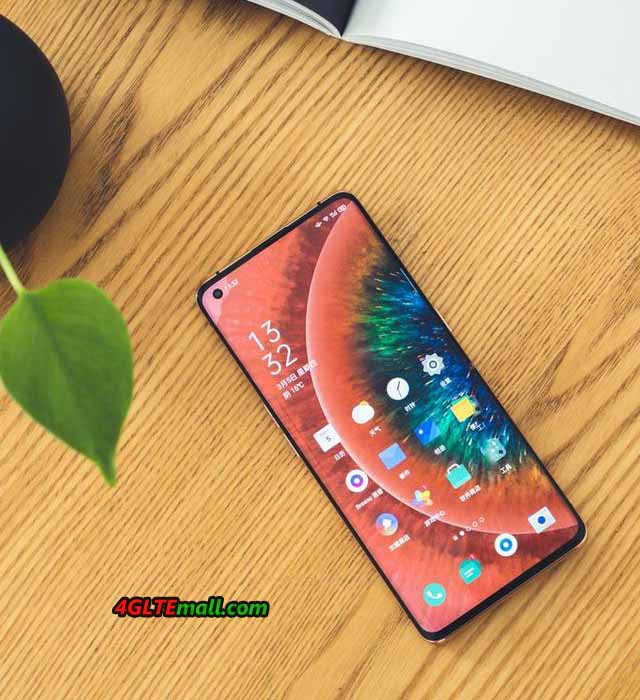
OPPO Find X2 Pro was available in a few days ago and we get this new phone now. We will check this new flagship phone from OPPO. Regarding the package boxing, the flagship monster has pretty much everything on board that you want at the moment and some of which you can’t even use.

In addition to the 5G smartphone itself, the packed content includes a transparent case, the usual paperwork, a SIM card needle, beautiful earphones including various attachments, a USB Type-A to Type-C cable and the 65-watt power supply, with which, the Oppo Find X2 Pro should be fully charged in 38 minutes.


Oppo Find X2 Pro Specifications:

  • Processor: Qualcomm Snapdragon 865
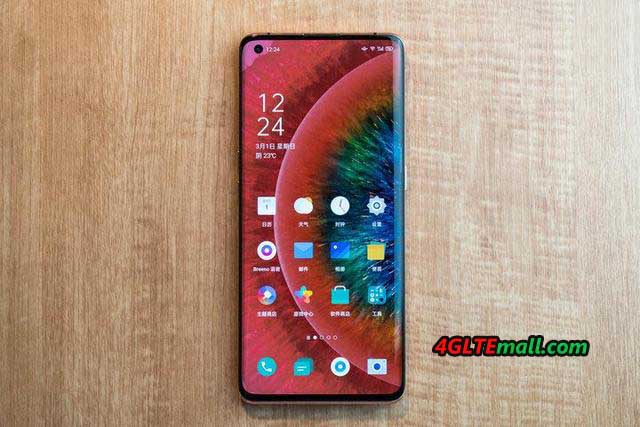
  • Display: 120Hz QHD + 10bit AMOLED with 6.7 inches
  • Cameras: 48 MP (IMX689) + 48 MP ultra wide angle (IMX586) + 13 MP (periscope telephoto camera) + 32 MP front camera (IMX616)
  • Memory: LPDDR5 12 GB RAM and 512 GB internal memory
  • Charging technology: 65 W SuperVOOC 2.0 Flash Charge quick charge function
  • Battery: 4260 mAh
  • Software: ColorOS 7.1 based on Android 10
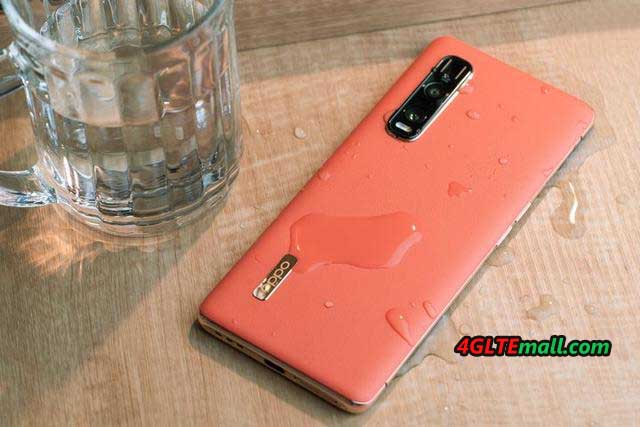
  • IP68 certified (splash, water and dust proof)
  • Supports W-iFi 6
  • Dimensions: 74.4 x 165.2 x 9.5 (leather version – the ceramic is minimally thinner)


Oppo Find X2 Pro Appearance and Design

Due to the 6.7 inch display used, the smartphone (like almost all current smartphones) is no longer easy to operate in one hand. Oppo tries to compensate for this by pulling the phone a little longer and therefore a little narrower, but it is hardly possible to grip with your thumb from bottom to top without reaching back.


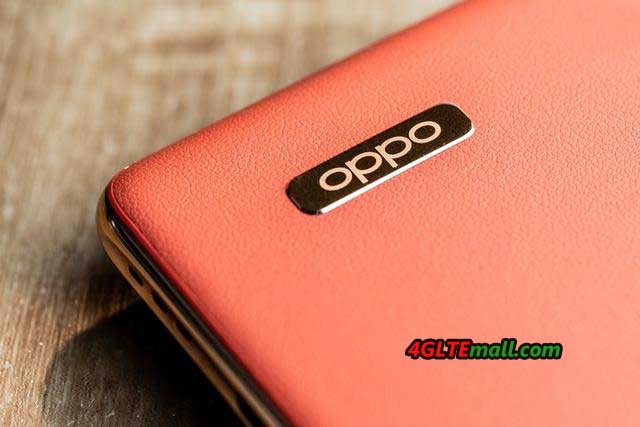
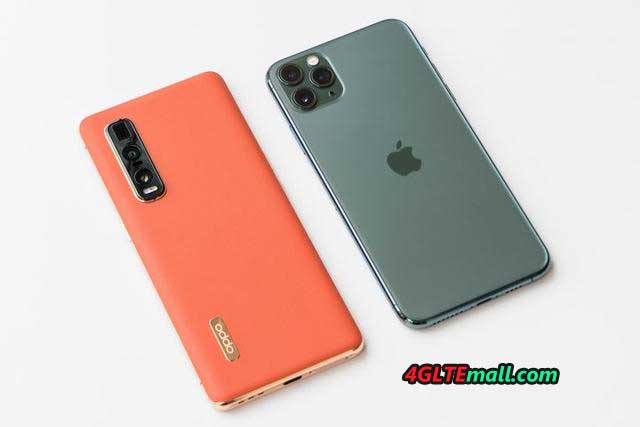
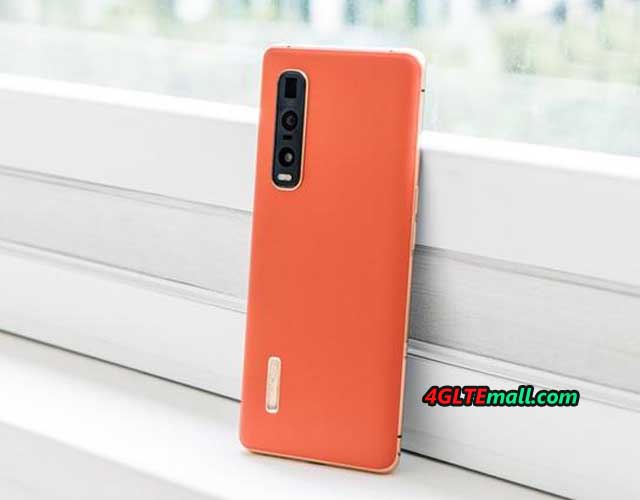
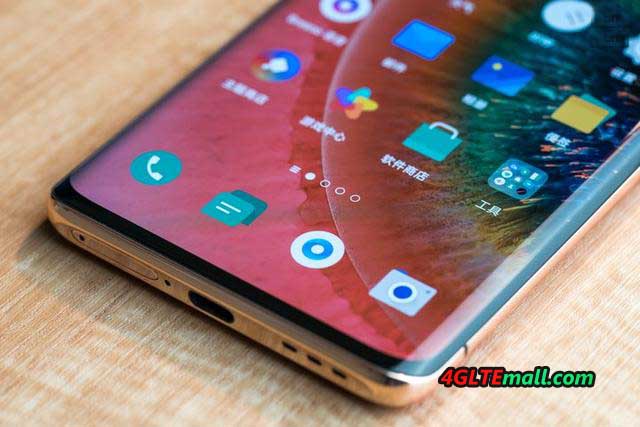
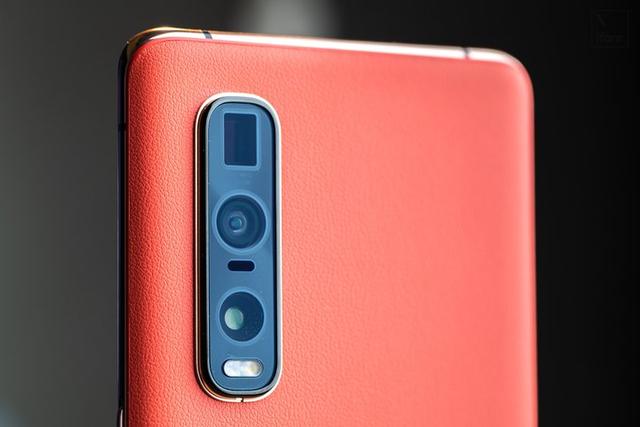
The orange-brown synthetic leather on the back does not allow the smartphone to slide away easily and also does not offer any surface for fingerprints. The golden metal frame between the back and the display makes the device look classy.

Oppo Find X2 Pro Processor and Memory

A Snapdragon 865 has been installed in the Oppo Find X2 Pro. This also applies to 5G. Apart from that, you have an enormous amount of memory in the Pro version. 12 GB of RAM and 512 GB of internal storage were installed here. We have to say that it’s fantastic in conjunction with the 120 Hz display mentioned above! Just drag large amounts of data from the computer to the internal memory – no problem. Scroll through the screens and large lists – nothing jerky! The OPPO Find X2 Pro performed very well and just did well as we expected for a high-end smartphone.

The OPPO 5G Cell Phone just manages 901/3243 points in Geekbench. In my opinion, the Huawei P40 Pro, which is also fast, comes to similar results.


Oppo Fnd X2 Pro Display

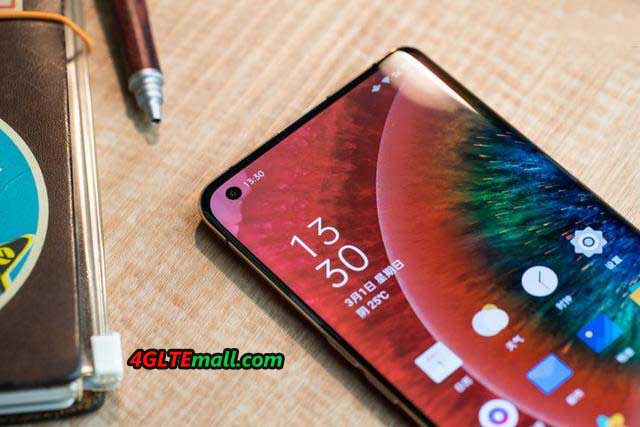
The built-in 120 Hertz display with a processing rate of 240 Hertz is, to put it bluntly, a stunner! At 6.7 inches, it’s not exactly small, but the trend is simply towards smartphones with larger displays. Oppo is not left out.

The display supports the display of over 1 billion colors with HDR video optimization, video motion compensation and HDR 10+ certification. Every user should be satisfied with a resolution of 1440 x 3168 pixels (517 pixels per inch). The magnificent colors thanks to AMOLED and the absolutely smooth operation on the display is also a dream in everyday life.

If you want, you can also set from automatic to 120 Hz. Then you always get the full 120 Hz on the eye. Usually the screen brightness is 500 – 800 nit. However, if you watch an HDR film, the brightness can reach up to 1200 nit. Once the automatic is deactivated and the brightness is set to full carrot and the Find X2 Pro is so bright that it almost bothers the eyes.

The negative point of the display / design remains the rounded edge of the display. Like many other manufacturers, the Find X2 Pro initially offers various misinterpretations of inputs that are recognized, for example, by the ball of the thumb when the device is held. If you use the enclosed cover, these are minimized, but precisely because of this (and because of the color distortions at the “kink”), we would prefer to forego a curved display.

Oppo Fnd X2 Pro Battery

Thanks to the built-in charging technology (SuperVOOC 2.0), even the missing Qi doesn’t bother us. The smartphone charges so quickly with the included 65 W power adapter that it is enough to plug the thing in the morning before going to the bathroom and until you leave the house, the battery becomes full and ready to go.

As you can see, the tapped current is only briefly at 65 W and then drops continuously. In just under 40 minutes everything is over and the charger switches to trickle charging so that (if you charge overnight) you don’t get a half-discharged smartphone the next morning.

Oppo Find X2 Pro Cameras

Regarding the camera, the Oppo Find X2 Pro has also got some good hardware installed. A 32 megapixel punch-hole camera (IMX616) with the usual beauty algorithm has been installed on the front.

Oppo bored the camera app nicely. There is the mandatory AI today that recognizes which motif should be photographed and adjusts the settings accordingly.

Of course, we also find all possible other functions. From adjustable wide angle, zoom and hybrid zoom, to HDR, resolutions for photo and video and much more. We come to the far more interesting part, the camera module on the back.

Here we find the 48MP main camera, another 48MP ultra wide angle and a 13MP telecamera. The camera module is easily 1-2mm out of the body. This means that the smartphone also likes to wobble when you place it on a flat surface and tap it.


The 48 megapixel main camera turns 4 pixels into one. We already know this technology from other manufacturers and we really like the quality of the photos. The ultra wide angle is also chic and we like to use it on large objects / buildings.

Because it was requested in unboxing, we went straight to a less frequented place and compared the cameras of the Huawei Mate 30 Pro and the Oppo Find X2 Pro with the wide angle and the various zoom functions. Apart from the night mode, the Oppo Find X2 Pro also has a macro mode. But pretty much every current smartphone can do that.


Oppo Find X2 Pro: Android with OxygenOS

On the Oppo Find X2 Pro, OxygenOS 7 is pre-installed based on Android 10. Visually, it basically corresponds to the stock Android with just a few changes. Apart from 1-2 extra apps that can be uninstalled, no bloatware is installed.

The operating system itself was drilled out in some places and equipped with additional functions. Vibration patterns can be set, the animation and the sound of the fingerprint sensor below the touchscreen can be adjusted and much more.

Here we would say Oppo did everything right. The operating system was subtly but comfortably optimized on some ends of Android 10.

Oppo Find X2 Pro: What else?

  • The speakers of the Oppo FInd X2 Pro are stereo (one is on the bottom and the speaker in the earpiece) and quite loud. Despite the small size of a speaker on a smartphone, I would say that you can almost feel and hear bass. 🙂
  • The vibration motor of the Oppo Find X2 Pro is unusually strong and therefore unfortunately noisy. In very quiet conditions, it is almost disturbingly loud.
  • There is a sidebar with shortcuts, which offers access to selected functions from every app. The detection point can be adjusted from right to left and also in transparency etc.
  • The fingerprint sensor in the display reacts swiftly, with a chic animation and in my case is almost 100% accurate. We can hardly remember any unsuccessful attempts at recognition.
  • The face unlock also works and can be set so that you no longer have to wipe it up. In our case, it was so good that the cell phone was happy to be unlocked when it was pushed into the shirt’s breast pocket. That’s why we switched on the additional wiping required.
  • We let the missing Qi (Wireless Charging) pass because of the great, non-slip and visually appealing back and of course because of the battery that was charged in just under 40 minutes.

Oppo Find X2 Pro Conclusion

At the moment, we affectionately refer to the Oppo Find X2 Pro as the flagship monster. It has the latest Snapdragon, the large memory, the good cameras or the outstanding 120 Hertz display, in addition with the delicacies of convenient quick charging or good stereo speakers. It’s a good phone with high price.

In terms of price, Oppo Find X2 Pro plays directly on one level with the new Samsung Galaxy S20 Ultra with a significantly higher level of awareness. We’ll see how things go with sales in the coming weeks.